

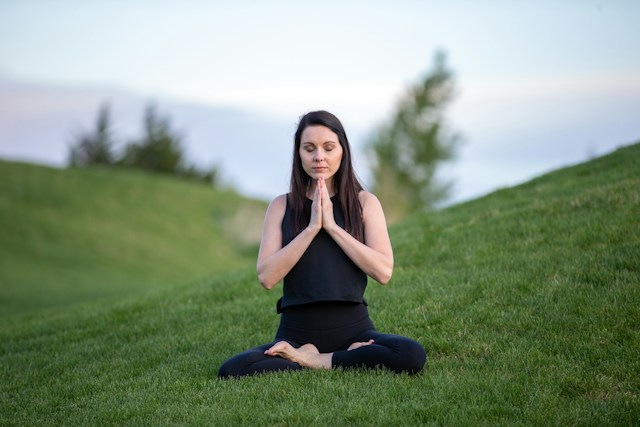
The 10-Minute Morning Habit That Could Help Your Mind Start the Day More Calmly
Before the notifications begin, a few quiet minutes may give your mind room to breathe.
Morning stress can make the whole day feel rushed before it has even started. A simple 10-minute routine built around breathing, quiet reflection and gentle movement may help you begin the day with more awareness and less mental clutter.
For many people, the day begins before they are properly awake.
The alarm rings. A phone is within reach. One message becomes five. Then come the emails, headlines, social media updates and reminders of everything that needs to be done.
It is easy to move from sleep straight into mental overload.
That does not mean checking your phone in the morning is inherently harmful, or that everyone needs to meditate. But current research into stress, mindfulness and healthy routines suggests that creating a small period of intentional quiet can be a useful way to support mental well-being.
The good news is that this does not require an elaborate wellness routine.
Sometimes, 10 minutes is enough to create a little breathing room.
Why the First Few Minutes Matter
Our mornings can influence how we approach the rest of the day. When the first thing we encounter is a stream of demands, it can be difficult to distinguish what actually needs our attention from what can wait.
A short pause gives you an opportunity to check in with yourself before responding to everyone else.
That might mean sitting quietly, opening the curtains, taking a few slow breaths, drinking some water or simply looking outside instead of immediately reaching for a screen.
There is no special biological switch that turns on after exactly 10 minutes. The benefit comes from creating a repeatable moment in which you are not constantly reacting to information.
For someone already dealing with anxiety, persistent low mood or significant stress, however, a morning routine should not be viewed as a replacement for professional care.
Start With Two Minutes of Slow Breathing
Breathing is one of the simplest places to begin.
When we are stressed, our breathing can become faster and more shallow. Deliberately slowing it down can encourage a calmer physical state and give attention something uncomplicated to focus on.
You do not need complicated breathwork.
Sit comfortably and breathe naturally, making your breathing gentle and unhurried. Pay attention to the sensation of air moving in and out. If your thoughts wander, notice that and return your attention to your breathing.
The goal is not to empty your mind.
A busy mind is normal. The practice is simply noticing where your attention goes and gently bringing it back.
Even a couple of minutes can become a useful transition between sleeping and beginning the day.
Give Yourself a Few Minutes Without Notifications
One of the easiest changes is also one of the most practical: delay unnecessary notifications.
You might keep your phone on silent or Do Not Disturb while you spend the first few minutes of the morning getting ready.
This is not about declaring smartphones the enemy.
Technology is an important part of modern life, and some people need to check messages for work, family or health reasons. The idea is simply to create a small boundary where possible.
Instead of beginning with other people’s priorities, begin by deciding what you need.
That distinction can make a morning feel less reactive.
Add Gentle Movement
Your morning routine does not have to involve a workout.
A few minutes of gentle stretching, walking around the house or stepping outside can help break up the stillness of the night and get your body moving.
For older adults, this can be particularly useful when morning stiffness or reduced mobility makes the beginning of the day feel uncomfortable.
The activity should match your abilities. If you have balance problems, pain or a medical condition that affects movement, choose activities that are appropriate for you and ask a healthcare professional for advice when necessary.
The goal is movement—not punishment.
Try One Simple Gratitude or Reflection Exercise
After breathing or moving, spend a minute thinking about what matters today.
You could ask yourself:
What is one thing I am looking forward to?
What is one thing I need to accomplish?
What is one thing I can let wait?
This is different from forcing yourself to be positive.
Mental health is not about pretending everything is fine. If you are having a difficult period, acknowledging that honestly may be more useful than repeating an affirmation you do not believe.
A short reflection can simply help you identify what deserves your attention.
Make the Routine Small Enough to Keep
The biggest mistake people make with wellness routines is making them too complicated.
If your morning plan requires 45 minutes, special equipment, a perfect meditation environment and a completely screen-free household, it may not last.
Instead, start with something realistic:
- 2 minutes: slow, comfortable breathing
- 3 minutes: gentle movement or stretching
- 2 minutes: quiet reflection
- 3 minutes: prepare for the day without unnecessary notifications
That is it.
On busy mornings, even five minutes may be enough.
Consistency matters more than creating a perfect routine.
When Morning Anxiety Needs More Than a Routine
A morning routine can support mental well-being, but it cannot solve every mental health problem.
If anxiety, sadness, sleep problems, irritability or loss of interest in everyday activities persist or interfere with normal life, talking with a doctor or mental health professional is important.
There is no failure in needing help.
Sometimes the healthiest morning habit is not meditation, exercise or journaling. It is recognizing that something is wrong and reaching out.
A Gentler Way to Begin the Day
There is no magic number of minutes that guarantees a better day.
What matters is creating a small space between waking up and immediately reacting to the world.
Ten quiet minutes may give you time to breathe, move, reflect and decide what deserves your attention.
You do not need to become a different person before breakfast.
You simply need a few moments to remember that your day belongs to you, too.
Photo by Benjamin Child on Unsplash
[…] mental health services are facing growing scrutiny over staffing pressures, observation failures and weaknesses […]