

For some people, recovering from COVID-19 does not mean returning to their old routine. Months after the initial infection, they may still experience exhaustion, difficulty concentrating, sleep problems, dizziness, shortness of breath, or symptoms that worsen after even modest physical activity.
This condition, commonly called Long COVID, remains one of the more complicated challenges in modern medicine. One reason is that ordinary blood tests do not always reveal an obvious explanation for how unwell someone feels.
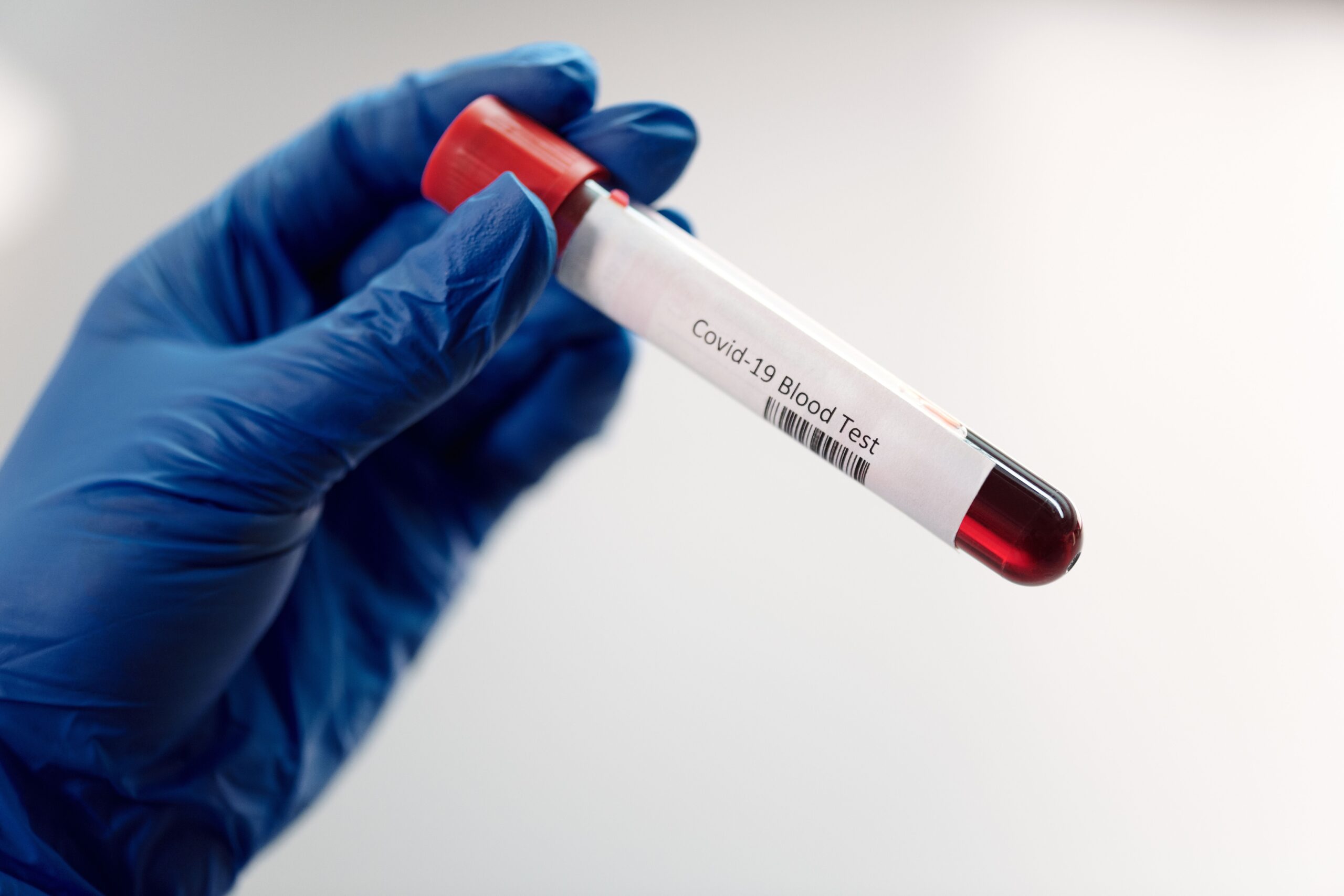
Researchers are now looking more closely at something much smaller: microscopic particles circulating through the bloodstream called extracellular vesicles.
A recent study has added to growing evidence that these tiny biological packages may carry fragments of SARS-CoV-2 proteins in some people with persistent symptoms. The finding is interesting—but it does not yet mean that infectious virus is hiding in everyone’s body or that viral remnants are the single cause of Long COVID.
A New Look at What May Be Happening After Infection
Extracellular vesicles are naturally produced by cells. Think of them as tiny parcels that carry biological information between different parts of the body.
They can contain proteins, RNA, and other molecular material. Because they circulate through the bloodstream, scientists are investigating whether their contents can provide clues about what is happening inside tissues that are difficult to examine directly.
In people with Long COVID, researchers have reported unusual biological signals involving immune activity, blood vessels, metabolism, and cellular energy production.
The newer research adds another possibility: some extracellular vesicles may contain SARS-CoV-2 protein fragments long after the original infection.
That raises an important question: are these simply leftovers from an earlier infection, or could they be evidence of ongoing biological activity somewhere in the body?
Scientists do not yet have a definitive answer.
Viral Fragments Are Not the Same as an Active Virus
This is perhaps the most important point to understand.
Detecting a viral protein does not automatically mean that a person still has an actively replicating virus.
After an infection, the immune system breaks down viral material. Some fragments can potentially remain for extended periods, just as traces of other biological processes can persist after the original event has ended.
Researchers therefore have to distinguish between two possibilities.
One is viral persistence, where small reservoirs of virus might remain in certain tissues and continue producing viral material.
The other is persistent debris, where the original infection has ended but fragments of viral proteins or genetic material remain.
The current evidence does not allow scientists to confidently declare that one explanation accounts for all Long COVID cases.
That uncertainty is important—particularly for older adults, who may have several overlapping health conditions that can produce fatigue, breathlessness, dizziness, or changes in concentration.
Why Extracellular Vesicles Could Matter
The attraction of extracellular vesicles is that they may provide researchers with information that conventional blood tests miss.
Instead of simply asking whether inflammation is elevated, scientists can examine the molecular contents of circulating vesicles and look for patterns associated with particular biological processes.
If certain vesicle signatures consistently appear in people with Long COVID, they could eventually help researchers identify different subtypes of the condition.
That could be particularly valuable because Long COVID does not appear to behave like one single disease.
One person may primarily struggle with post-exertional symptoms. Another may experience problems involving the cardiovascular or autonomic nervous system. Someone else may have persistent respiratory symptoms or cognitive difficulties.
A biological marker that helps separate these patterns could eventually make diagnosis and treatment more precise.
What This Could Mean for Brain Fog and Extreme Fatigue
Brain fog and severe fatigue are among the symptoms most commonly associated with Long COVID.
Researchers are studying several possible contributors, including inflammation, changes in blood-vessel function, immune-system disruption, autonomic dysfunction, altered metabolism, and problems with cellular energy production.
Viral fragments carried inside extracellular vesicles are now another area of investigation.
It is tempting to connect one laboratory finding directly to every symptom, but biology rarely works that simply.
A person’s symptoms may result from several interacting processes rather than one isolated cause.
For an older adult, this distinction matters. New or worsening confusion, chest discomfort, fainting, severe breathlessness, or sudden weakness should never automatically be attributed to Long COVID. Those symptoms can also signal other medical conditions that require prompt evaluation.
The Research Is Promising—but It Is Not a Treatment Yet
The discovery of viral protein fragments is scientifically interesting, but several questions remain unanswered.
Researchers need larger studies involving diverse groups of people with Long COVID. They also need to determine how consistently these biological signals appear, whether they differ between Long COVID subtypes, and whether they change as symptoms improve or worsen.
Most importantly, scientists need to determine whether the fragments are causing symptoms or simply accompanying them.
That distinction will shape future treatments.
If persistent viral activity contributes to a particular group of patients, antiviral therapies could potentially become more important for that subgroup. If immune dysfunction or vascular changes are more important, entirely different treatment approaches may be needed.
At present, there is no single medication proven to cure Long COVID.
What Older Adults Can Do While Research Continues
For older adults living with persistent symptoms, the safest approach is individualized medical care rather than experimenting with unproven treatments.
If activity repeatedly causes a significant worsening of symptoms afterward, discuss this pattern with a healthcare professional rather than simply trying to exercise harder.
Keeping a simple record of sleep, activity, dizziness, heart rate changes, breathlessness, and symptom flares can also help a clinician understand patterns.
Adequate nutrition, hydration, sleep, appropriate movement, and management of existing conditions remain important foundations of overall health.
Most importantly, don’t assume that every new symptom is Long COVID. Regular medical review remains valuable, particularly for older adults taking multiple medications or managing heart, lung, neurological, or metabolic conditions.
From an Invisible Illness to a Measurable Biological Problem
Long COVID has challenged a simple idea of recovery: that once the obvious signs of infection disappear, everything inside the body has necessarily returned to normal.
Research into extracellular vesicles offers scientists another way to investigate what may be happening beneath the surface.
The discovery of SARS-CoV-2 protein fragments in circulating vesicles is not the final answer. It is another piece of a much larger puzzle.
For patients and families, that distinction should not diminish the importance of the research. It shows that scientists are continuing to search for measurable biological explanations for symptoms that can profoundly affect everyday life.
The hope is that better biological markers will eventually lead to better diagnosis, more personalized treatment, and clearer answers for the millions of people still asking a difficult question:
Why haven’t I fully recovered yet?
Photo by Edward Jenner: https://www.pexels.com/photo/person-holding-a-covid-19-blood-test-4031504/