

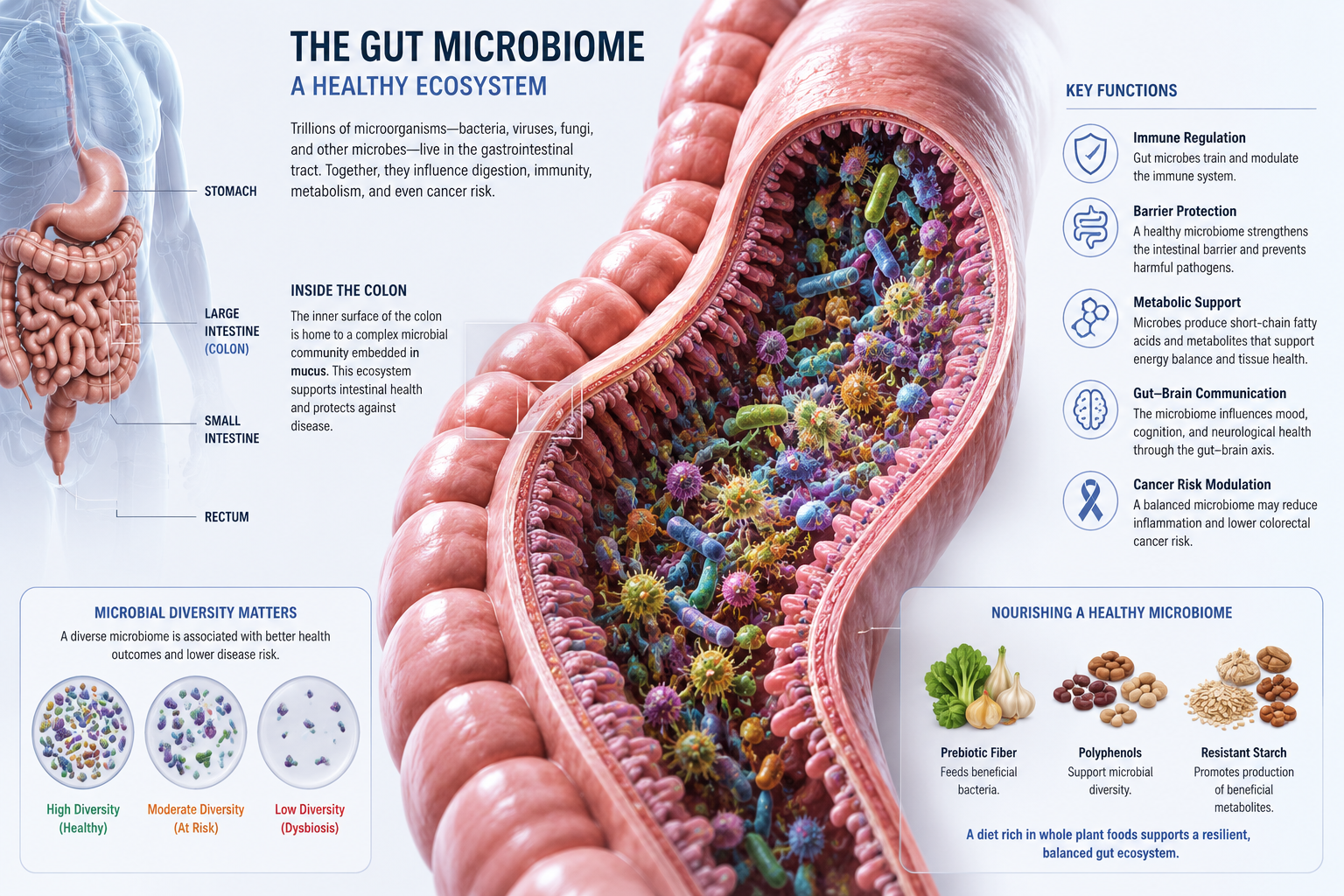
Colorectal cancer remains one of the most common cancers worldwide, making prevention a major public health priority. While screening tests such as colonoscopies remain the most effective way to detect early disease, researchers continue to investigate how nutrition, lifestyle, and the gut microbiome may influence long-term colorectal health.
A growing area of interest involves magnesium, an essential mineral that supports hundreds of biological processes throughout the body. Emerging research suggests that magnesium may play an important role in shaping the gut environment and influencing pathways associated with colorectal cancer risk.
Why Magnesium Matters
Magnesium is involved in muscle function, nerve signaling, blood sugar regulation, DNA repair, and immune health. Despite its importance, many adults do not consistently meet recommended magnesium intake levels.
Researchers have also observed that magnesium status may influence the composition of the gut microbiome—the trillions of microorganisms that live throughout the digestive tract.
Because the gut microbiome helps regulate inflammation, immune activity, and intestinal health, scientists are increasingly studying whether magnesium could indirectly affect colorectal cancer risk through these microbial pathways.
The Gut Microbiome and Colon Health
The human colon contains a diverse ecosystem of beneficial bacteria that help maintain the integrity of the intestinal lining and produce compounds that support digestive health.
Certain bacterial species generate short-chain fatty acids such as butyrate, which help nourish cells lining the colon and may contribute to a healthier intestinal environment. Reduced levels of beneficial bacteria have been associated with chronic inflammation and a higher likelihood of developing colorectal polyps and other gastrointestinal disorders.
Recent clinical research suggests that magnesium supplementation may encourage favorable shifts in some of these bacterial populations, although scientists are still working to determine the full extent of these effects.
What Researchers Found
Investigators studying magnesium and colorectal health have reported that optimizing magnesium intake may influence gut microbial activity in ways that support intestinal wellness.
Some participants in these studies experienced measurable changes in bacteria associated with anti-inflammatory functions and colon health. Researchers also observed potential links between magnesium status and biological pathways involved in vitamin D metabolism, immune regulation, and cellular growth.
While these findings are promising, experts emphasize that more research is needed before magnesium supplementation can be considered a proven strategy for preventing colorectal cancer.
Why One Size Does Not Fit All
One of the most important lessons from modern nutrition science is that individuals respond differently to supplements.
Factors that may influence magnesium metabolism include:
- Genetics
- Age
- Sex
- Existing medical conditions
- Dietary habits
- Gut microbiome composition
Researchers are increasingly exploring how personalized nutrition approaches may help identify individuals who are most likely to benefit from targeted dietary interventions.
Food Sources of Magnesium
Most people can increase magnesium intake through food before considering supplementation.
Excellent dietary sources include:
- Pumpkin seeds
- Almonds
- Cashews
- Black beans
- Lentils
- Spinach
- Swiss chard
- Avocados
- Whole grains
- Dark chocolate
A balanced diet rich in plant foods also supports microbial diversity, which is associated with better digestive health.
Should You Take a Magnesium Supplement?
Magnesium supplements may be appropriate for some individuals, particularly those with documented deficiencies or inadequate dietary intake. However, supplement choice and dosage matter.
Common forms include:
- Magnesium glycinate
- Magnesium citrate
- Magnesium malate
- Magnesium oxide
Some forms are absorbed more efficiently than others, and excessive supplementation can cause digestive side effects or interact with medications.
Before beginning any supplement regimen, consult a qualified healthcare professional who can evaluate your individual needs.
The Bigger Picture of Colon Cancer Prevention
While magnesium research is exciting, no supplement should be viewed as a substitute for established prevention strategies.
Current evidence continues to support:
- Routine colorectal cancer screening
- Maintaining a healthy body weight
- Regular physical activity
- Eating a fiber-rich diet
- Limiting processed meats
- Avoiding tobacco use
- Moderating alcohol consumption
These evidence-based measures remain the foundation of colorectal cancer prevention.
Looking Ahead
Scientists are only beginning to understand the complex relationship between minerals, the gut microbiome, and long-term cancer risk. Emerging research suggests that magnesium may help create a healthier intestinal environment, but much remains to be learned about how these biological pathways work in humans.
As research evolves, magnesium’s role may become part of a broader, personalized approach to digestive health—one that combines nutrition, microbiome science, and preventive medicine to reduce disease risk and support lifelong wellness.
Medical Disclaimer
This article is for educational and informational purposes only and should not be considered medical advice. Always consult a qualified healthcare professional before making changes to your diet, supplement routine, or healthcare plan.
References & Clinical Resources
- The American Journal of Clinical Nutrition: Review the full peer-reviewed methodology and longitudinal results of the Vanderbilt trial regarding mineral-microbiome interactions via the Oxford University Press Journal Repository.
- Vanderbilt-Ingram Cancer Center (VICC): Access the clinical briefings, investigator statements, and ongoing precision nutrition trial updates directly from the Vanderbilt University Medical Center Research Portal.
- National Cancer Institute (NCI): Read comprehensive data on colorectal cancer risk profiles, polyp classifications, and standard preventative guidelines at the NCI Cancer Prevention Information Center.
- Medical Xpress / Clinical Digest: Review the broader healthcare implications and professional commentary surrounding the TRPM7 gene gatekeeper from the Medical Xpress Oncology Network.