

For most of us, switching on a light is such an ordinary part of life that we rarely think about what it means for our biology.
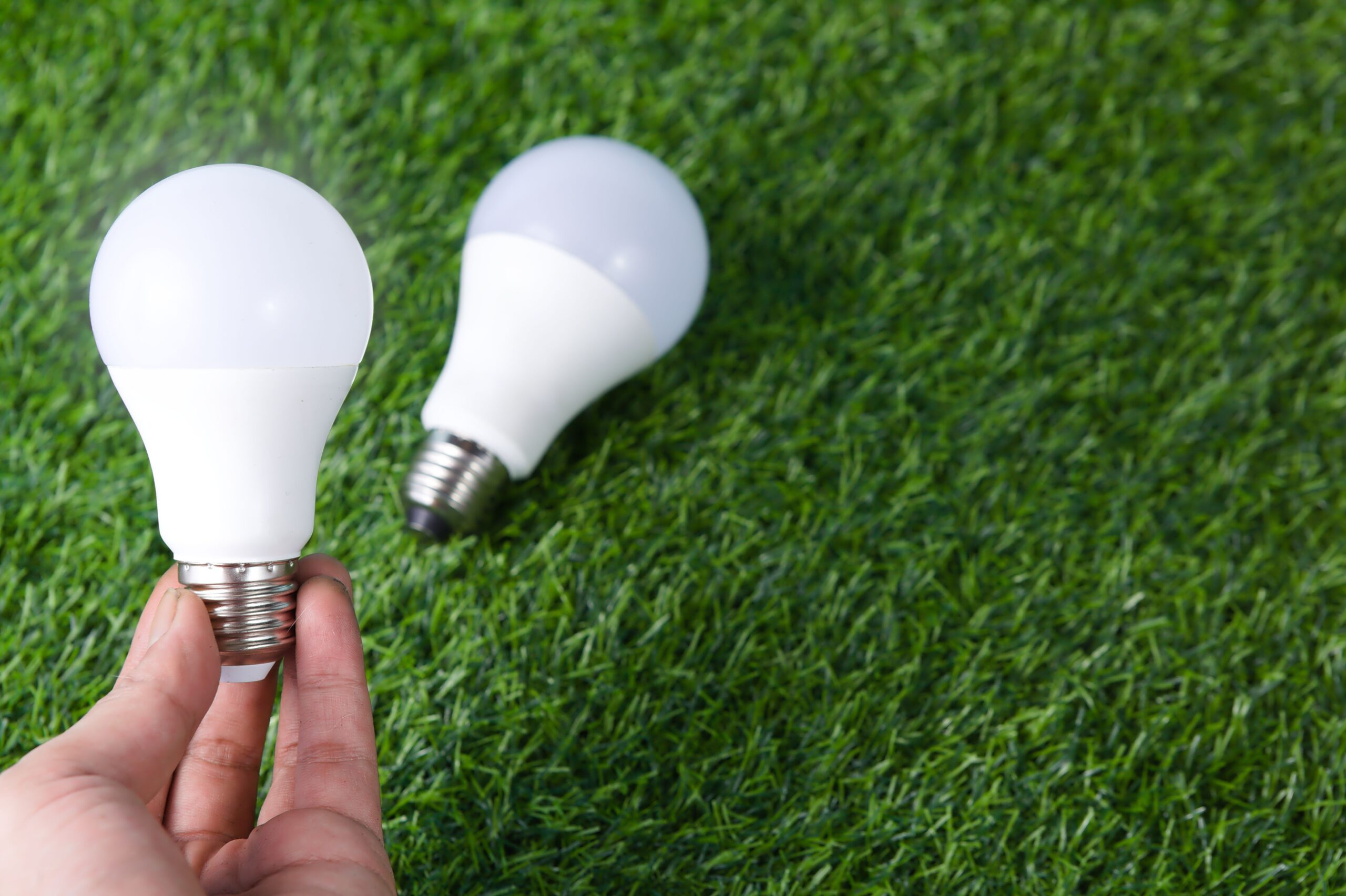
LED bulbs have become the standard in homes, offices, hospitals, schools and public spaces. They are inexpensive, long-lasting and far more energy-efficient than traditional incandescent bulbs. From an environmental and economic perspective, that is a major advantage.
But there is another side to the story.
Scientists studying light and human biology are increasingly interested in a question that goes beyond energy consumption: Does the type, intensity and timing of artificial light influence our health?
The answer appears to be yes—but probably not for the reason some viral health stories suggest.
There is currently no strong evidence that ordinary LED lighting causes an “infrared starvation” condition in humans or that LEDs are generally depriving our cells of essential light. However, researchers are investigating how different wavelengths of light interact with the eyes, brain, circadian rhythm and, in experimental settings, cellular energy production.
That distinction matters.
Light Is More Than Something We See
Human biology evolved around the daily cycle of daylight and darkness.
Sunlight changes throughout the day. Morning light contains a different mixture and intensity of wavelengths than midday sunlight, while evening light becomes warmer as the sun approaches the horizon.
Artificial lighting changes that pattern.
A bright indoor environment can expose us to substantial amounts of light late at night—at precisely the time when the body would historically have been preparing for sleep.
The most established concern is therefore not that LEDs are “toxic,” but that artificial light can interfere with the body’s internal clock when exposure occurs at the wrong time.
Light entering the eyes is detected by specialized retinal cells that communicate with the brain’s circadian clock. This system helps regulate melatonin, alertness, sleep timing and numerous daily physiological processes.
Bright, blue-enriched light in the evening can delay melatonin production and make it harder for some people to become sleepy.
That is particularly relevant today because smartphones, tablets, televisions, computers and bright indoor lighting can keep us exposed to stimulating light long after sunset.
What About Red and Near-Infrared Light?
This is where the science becomes particularly interesting.
Researchers have been studying photobiomodulation, a field involving exposure to specific wavelengths of red or near-infrared light.
Laboratory research suggests that certain wavelengths may interact with cellular components, including cytochrome c oxidase in mitochondria. Mitochondria are responsible for producing much of the energy cells use, so researchers are investigating whether carefully controlled light exposure could influence cellular metabolism, inflammation and tissue repair.
Small human studies have explored red and near-infrared light for areas including skin health, exercise recovery, pain and certain aspects of neurological and visual function.
But this is an important distinction:
A red-light therapy treatment is not the same thing as sitting under a red light bulb, and neither is proof that ordinary LED lighting is damaging your mitochondria.
The dose, wavelength, intensity, exposure time and part of the body being treated all matter.
Much of the evidence remains experimental or comes from relatively small clinical studies.
The Bigger Modern Health Problem May Be Timing
For everyday health, the most convincing concern surrounding artificial lighting is much simpler: we have made nighttime increasingly bright.
Many people spend their mornings indoors, work beneath artificial lighting during the day and then spend their evenings staring at bright screens.
That pattern can confuse the biological signals that tell the body when it should be alert and when it should begin winding down.
Poor sleep is already a major public-health issue. Persistent sleep disruption has been associated with problems involving mood, concentration, metabolic health and cardiovascular health.
For older adults, the issue can be particularly relevant because sleep patterns naturally change with age. People may become more sensitive to nighttime disturbances and experience earlier waking or difficulty maintaining sleep.
Improving the light environment may therefore be a relatively simple part of better sleep hygiene.
A Healthier Relationship With Artificial Light
You do not need to replace every LED bulb in your home.
Instead, think about light exposure as something that should change throughout the day.
During the daytime, seek bright natural light whenever possible. Spending time outdoors provides substantially more light than typical indoor environments and helps reinforce the body’s circadian rhythm.
In the evening, reduce unnecessary brightness.
You can dim overhead lights, use warmer-colored lamps and lower the brightness of screens. These changes are particularly useful during the hour or two before bedtime.
The goal isn’t to eliminate blue light completely. Blue-enriched light is valuable during the daytime because it promotes alertness and helps synchronize the body clock.
The problem is often blue-heavy light at the wrong time—not blue light itself.
Should You Buy a Red-Light Therapy Device?
This is where consumers should be cautious.
The popularity of red-light therapy has grown rapidly, with products claiming benefits ranging from better energy and metabolism to anti-aging effects.
Some applications have promising scientific evidence, but many marketing claims extend well beyond what clinical research currently demonstrates.
Before purchasing a device, look at what wavelength it produces, whether the claimed use has actually been studied in humans and whether the device has appropriate regulatory clearance for its intended purpose.
More light is not automatically better.
And red-light therapy should not be viewed as a replacement for established treatments for medical conditions.
Simple Ways to Improve Your Light Environment
1. Get outside in the morning.
Natural daylight helps anchor your circadian rhythm and provides much greater light intensity than most indoor environments.
2. Keep daytime environments bright.
Good daytime lighting can support alertness and help distinguish day from night.
3. Dim the lights at night.
Use lower-intensity, warmer lighting as bedtime approaches.
4. Reduce screen brightness before bed.
Night-mode settings can reduce blue-enriched light exposure, although lowering overall brightness is also important.
5. Protect your sleep first.
If you’re struggling with fatigue, poor concentration or daytime sleepiness, improving sleep quality is likely to offer far greater benefits than chasing unproven “mitochondrial” lighting hacks.
The Real Lesson From the Light Research
The emerging science of photobiology is fascinating because it reminds us that humans do not simply see light—we biologically respond to it.
But the evidence does not support the idea that modern LEDs are secretly starving the body of infrared light or causing widespread mitochondrial failure.
The more established concern is that modern life has dramatically changed when and how much light we experience, particularly after sunset.
That gives us a practical takeaway.
We don’t need to fear every LED bulb. Instead, we should recreate something closer to the natural rhythm our biology evolved around: bright days, darker evenings and genuinely dark nights.
As researchers continue investigating red and near-infrared light therapies, the future may reveal useful medical applications. For now, however, one of the simplest health interventions remains completely free: step outside during the day, and give your body darkness when it is time to sleep.
Photo by Riki Risnandar: https://www.pexels.com/photo/person-holding-white-light-bulb-3946161/