

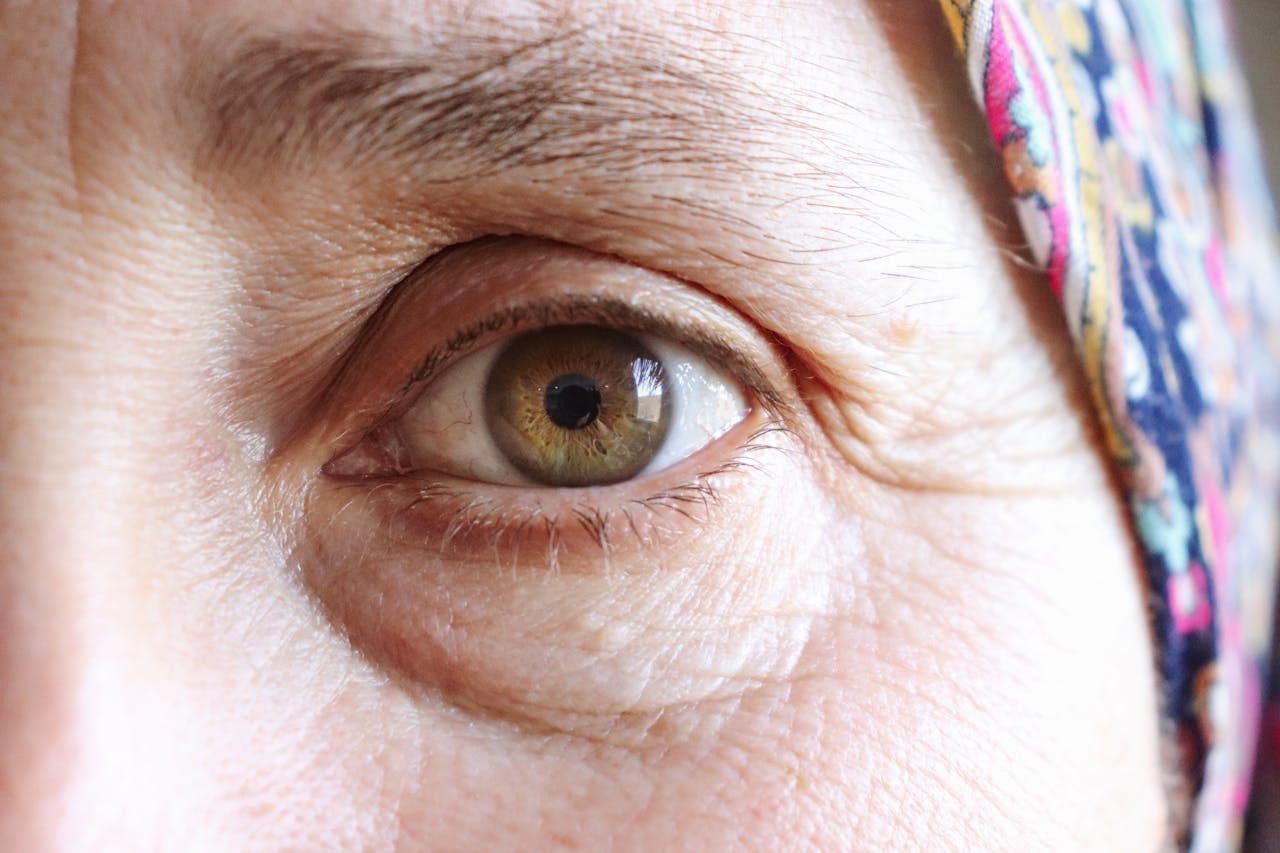
For many people, changes in vision feel like an unavoidable part of growing older. Reading becomes more difficult, night driving grows challenging, and concerns about age-related eye diseases begin to surface.
For decades, scientists believed much of this decline was simply the result of cumulative wear and tear. But emerging research is revealing a more complex story—one that points to specific biological processes that may help explain why vision changes occur with age and how future therapies could potentially slow or even reverse some of those effects.
A recent breakthrough from researchers at the University of California, Irvine (UCI) is helping to reshape how scientists think about aging eyes. Their work focuses on a critical component of retinal health that often receives little public attention: specialized lipids, or fats, that help maintain the structure and function of the retina.
Why the Retina Depends on Healthy Fats
The retina is a thin layer of light-sensitive tissue located at the back of the eye. It converts light into electrical signals that the brain interprets as vision.
To perform this task efficiently, retinal cells rely on highly specialized membranes that are rich in unique fatty acids. These lipids help maintain flexibility, communication between cells, and the retina’s ability to respond to changing light conditions.
As people age, the composition of these fats gradually changes. Scientists have long suspected that this shift contributes to declining visual performance, but the exact mechanisms remained unclear.
The new research offers important clues.
The Role of the ELOVL2 Gene
At the center of the discovery is a gene known as ELOVL2, which helps the body produce very-long-chain polyunsaturated fatty acids (VLC-PUFAs).
Researchers have identified ELOVL2 as one of the most consistent biological markers associated with aging. As activity of this gene declines, production of certain retinal lipids decreases as well.
These changes may contribute to:
- Reduced retinal function
- Increased cellular stress
- Accumulation of age-related retinal damage
- Greater vulnerability to degenerative eye conditions
Scientists believe these lipid alterations may represent an important piece of the puzzle linking aging to vision decline.
What the New Study Found
In laboratory studies involving aging mice, researchers tested whether restoring specific retinal lipids could improve visual function.
The results were striking.
Animals that received targeted retinal lipid supplementation demonstrated improvements in several measures associated with visual performance, including contrast sensitivity and adaptation to low-light environments.
Researchers also observed reductions in markers associated with retinal aging and inflammation.
Importantly, these findings do not mean scientists have discovered a cure for age-related vision loss in humans. However, they do suggest that restoring key retinal lipids may be a promising avenue for future therapies.
As with many scientific breakthroughs, additional human studies will be necessary before these approaches can be translated into routine clinical care.
Watch The Science in Action
Beyond Traditional Omega-3 Supplements
The findings also highlight an important distinction often overlooked in discussions about eye health.
Omega-3 fatty acids such as DHA have long been studied for their potential role in supporting vision. However, the UCI research suggests that the retina may require highly specialized lipid forms that differ from those found in conventional dietary supplements.
Rather than simply increasing general omega-3 intake, future treatments may focus on delivering the precise lipid molecules that aging retinal cells struggle to produce on their own.
This represents a far more targeted approach than traditional nutritional supplementation.
What You Can Do Today to Support Healthy Vision
While scientists continue exploring next-generation retinal therapies, several evidence-based strategies remain important for maintaining eye health throughout life.
Prioritize Nutrient-Dense Foods
Research continues to support diets rich in:
- Leafy green vegetables
- Colorful fruits and vegetables
- Fatty fish such as salmon and sardines
- Nuts and seeds
- Eggs
These foods provide nutrients associated with retinal health, including lutein, zeaxanthin, omega-3 fatty acids, and antioxidants.
Protect Your Eyes From Chronic Strain
Extended screen use can contribute to digital eye strain.
Many eye care professionals recommend the 20-20-20 rule:
Every 20 minutes, look at something at least 20 feet away for 20 seconds.
This simple habit can help reduce visual fatigue during prolonged computer use.
Prioritize Sleep and Overall Health
The eyes are closely connected to overall cardiovascular and metabolic health.
Adequate sleep, regular physical activity, blood pressure management, and blood sugar control all play important roles in preserving long-term visual function.
Schedule Regular Eye Exams
Routine comprehensive eye examinations remain one of the most effective ways to identify age-related changes before symptoms become severe.
Early detection often provides the greatest opportunity for successful intervention.
The Future of Vision Science
The most exciting aspect of this research may not be the specific therapy itself but the broader shift in scientific thinking it represents.
Rather than viewing age-related vision decline as an inevitable consequence of getting older, researchers are increasingly identifying biological pathways that may be modified, protected, or restored.
The emerging field of retinal lipid biology is still in its early stages, but it offers a compelling glimpse into what the future of vision medicine may look like: precision therapies designed to support the eye’s natural cellular architecture from the inside out.
While more research is needed before these discoveries translate into clinical treatments, the findings provide new optimism that healthy vision may be preserved longer than previously thought.
Editorial Note & Medical Disclaimer
The information presented in this article is intended for educational purposes only and should not be considered medical advice. Always consult an ophthalmologist, optometrist, or other qualified healthcare professional regarding concerns about vision changes, eye disease, or treatment options.
References & Clinical Resources
- University of California, Irvine School of Medicine – Research on retinal lipid metabolism and ELOVL2
- Science Translational Medicine – Studies examining retinal lipid restoration in aging models
- National Eye Institute (NEI) – Evidence-based guidance on age-related eye health and nutrition
- AREDS2 Research Program – Clinical research on nutrients associated with eye health
- PubMed – Peer-reviewed literature on retinal aging, lipid biology, and vision science