

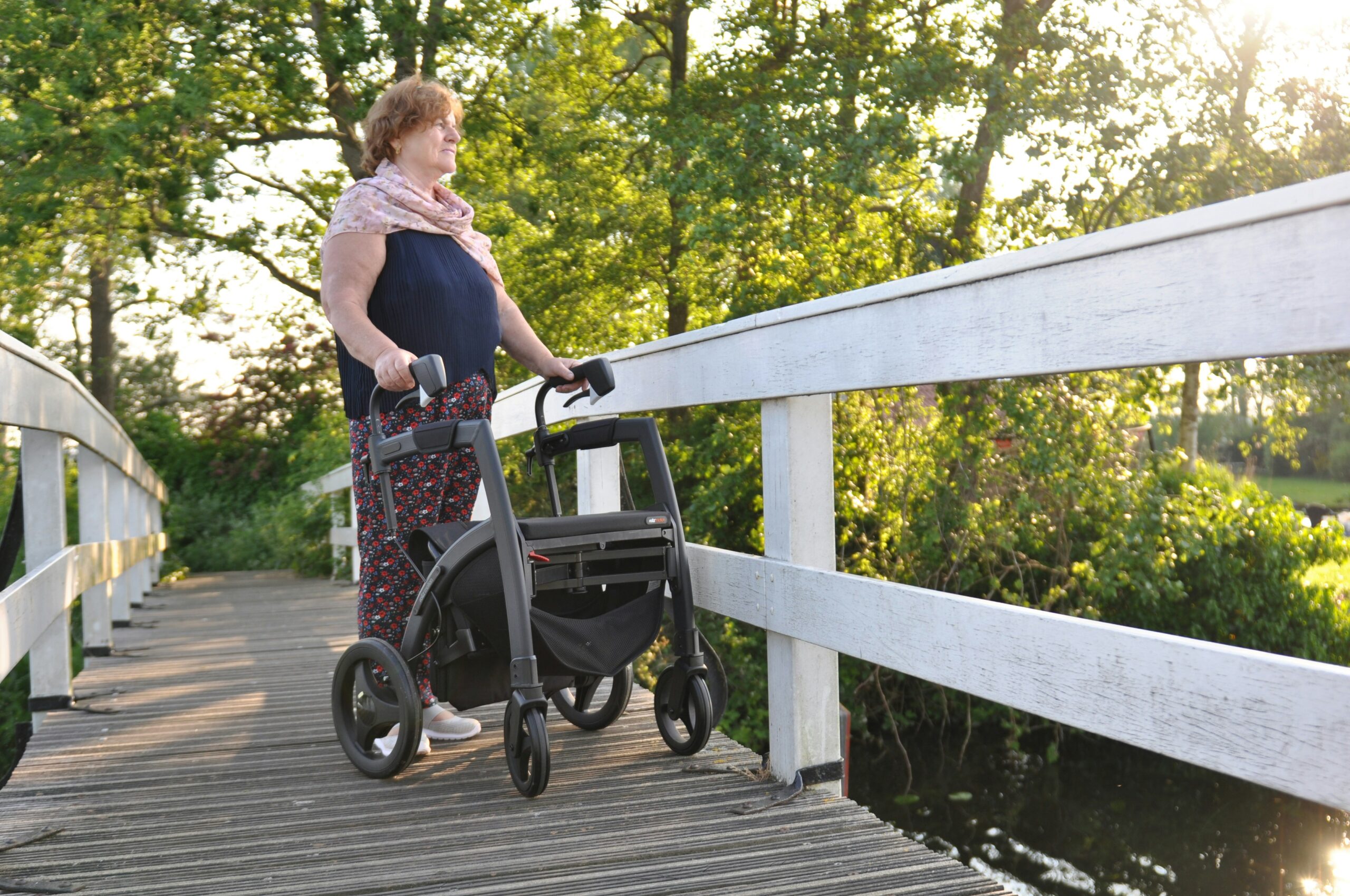
I remember talking to a friend whose father was recently diagnosed with Parkinson’s. The first thing he noticed wasn’t a dramatic shake — it was a slight tremor in one hand when resting, and a feeling that his movements had become a bit slower and stiffer. It’s often these quiet changes that prompt people to seek answers.
Parkinson’s is a progressive neurological condition that affects movement when dopamine-producing cells in the brain gradually decline. There’s currently no cure, but many people live full, meaningful lives for years with the right medical support, therapies, and daily habits that nourish the body and mind.
Here’s what you need to know — with compassion and without fear.
Common Early Signs of Parkinson’s
The classic motor symptoms usually appear gradually and often start on one side of the body:
- Tremor — A resting tremor (shaking) that’s most noticeable when the hand or arm is relaxed, often beginning in one hand or finger.
- Bradykinesia (slowness of movement) — Everyday tasks like buttoning a shirt or walking feel slower and smaller.
- Muscle rigidity or stiffness — Arms, legs, or neck may feel tight and resistant to movement.
- Balance and posture changes — Stooped posture, shorter steps, or a feeling of unsteadiness.
Non-motor symptoms can appear even earlier and are just as important:
- Loss of smell
- Sleep disturbances (acting out dreams, insomnia)
- Constipation
- Mood changes like depression or anxiety
- Fatigue and brain fog
If you or someone you love notices several of these persisting, it’s worth discussing with a doctor. Early diagnosis can make a big difference in managing symptoms effectively.
Why Nourishment and Lifestyle Matter
While medication (like levodopa) and therapies remain the cornerstone of treatment, what you eat and how you move every day can significantly influence how you feel. Research shows that a nourishing, anti-inflammatory approach combined with regular exercise may help protect brain cells, support dopamine pathways, ease stiffness, and improve overall quality of life.
Foods That Support Brain and Movement Health
Focus on whole, colorful foods that fight inflammation and provide antioxidants:
- Omega-3 rich foods — Walnuts, flaxseeds, chia seeds, and fatty fish help reduce brain inflammation and support nerve health.
- Antioxidant-packed produce — Berries (especially blueberries), leafy greens, turmeric (with black pepper), and colorful vegetables combat oxidative stress.
- Magnesium sources — Pumpkin seeds, spinach, almonds, and avocados help relax muscles and ease stiffness.
- Fiber-rich choices — Oats, beans, and plenty of vegetables to support digestion and prevent constipation (a very common issue in Parkinson’s).
- Balanced protein — Spread protein intake throughout the day (important when taking certain medications) from eggs, legumes, nuts, and quality meats or fish.
A Mediterranean-style pattern — lots of plants, healthy fats, and moderate protein — is often recommended and feels sustainable.
Gentle Movement That Makes a Real Difference
Exercise is one of the most powerful tools for Parkinson’s. It doesn’t just maintain mobility — it can actually help slow progression of some symptoms.
- Walking, cycling, or swimming for aerobic benefits
- Gentle strength training to maintain muscle
- Balance and coordination exercises like tai chi or yoga
- Dance classes (many people love tango or ballroom for rhythm and joy)
Aim for consistency rather than intensity. Even short daily sessions help. Many specialists say “exercise is medicine” for Parkinson’s — and I couldn’t agree more.
Additional Supportive Habits
- Prioritize quality sleep and a consistent bedtime routine.
- Manage stress through breathing exercises or time in nature.
- Stay well hydrated and consider working with a speech or physical therapist early on.
A Compassionate Perspective
Parkinson’s can feel overwhelming at first, but many people adapt beautifully with the right team — neurologists, therapists, family, and supportive daily habits. Nourishing your body with real food, staying as active as possible, and leaning on community can help you feel more in control and vibrant.
At HealandNourish, we believe in honoring the whole person. Supporting brain health through food and gentle movement is never a replacement for medical care, but it can be a powerful companion on the journey.
Watch this helpful video that clearly explains Parkinson’s disease, its symptoms, and management:
Have you or a loved one noticed any of these signs? What small change — a daily walk, more berries, or better sleep — has helped with energy or movement? Share kindly in the comments. Forward this to anyone who might benefit from more understanding — and subscribe for more compassionate, practical tips on natural wellness and brain health.