

“Most people with sciatica notice major improvement within weeks using gentle movement, targeted stretches, and nourishing habits. Discover practical steps to ease shooting leg pain and support your body’s natural recovery.”
Sciatica can feel overwhelming — that sharp, electric pain shooting from your lower back through the hip and down one leg often disrupts sleep, walking, and simple daily joys. The good news? For the vast majority of people, symptoms improve significantly with conservative, natural approaches. Many experience meaningful relief within 4–6 weeks, and up to 80–90% recover well without needing surgery.
Sciatica isn’t a disease itself but a symptom of irritation or compression along the sciatic nerve, the body’s longest nerve. Common triggers include a herniated disc, spinal stenosis, muscle tightness (like the piriformis), or poor posture and prolonged sitting. The pain may come with tingling, numbness, or weakness, usually affecting just one side of the body.
Why Hope Is Realistic
Research consistently shows that most acute cases resolve or greatly improve with time and supportive care. The body has a remarkable ability to reduce inflammation and ease nerve pressure when given the right conditions — gentle movement instead of complete rest, proper alignment, and foods that fight inflammation.
Avoiding long periods of bed rest is key. Gentle activity actually helps more than lying still, as it promotes blood flow and prevents stiffness.
Nourishing Your Body to Support Nerve Healing
What you eat plays a powerful role in calming inflammation and nourishing damaged nerves:
- Anti-inflammatory foods: Load up on colorful berries, leafy greens, turmeric (with black pepper for better absorption), ginger, and fatty fish rich in omega-3s.
- Magnesium-rich choices: Pumpkin seeds, almonds, spinach, and avocados help relax muscles and calm nerve signals.
- Hydration and electrolytes: Proper fluid intake (including herbal teas like chamomile or ginger) supports disc health and reduces muscle spasms.
- Bone broth or collagen-rich foods: These provide building blocks that may support connective tissue around the spine.
Consider adding a high-quality omega-3 or turmeric supplement after checking with your healthcare provider.
Gentle Movement and Stretches That Often Bring Relief
Start slowly and listen to your body. Here are effective, low-risk options many people find helpful:
- Figure-4 Stretch — Lie on your back, cross one ankle over the opposite knee, and gently pull the thigh toward you. Hold 20–30 seconds per side.
- Knee-to-Chest Stretch — Gently hug one knee toward your chest while keeping the other leg extended or bent. This can ease pressure on the lower spine.
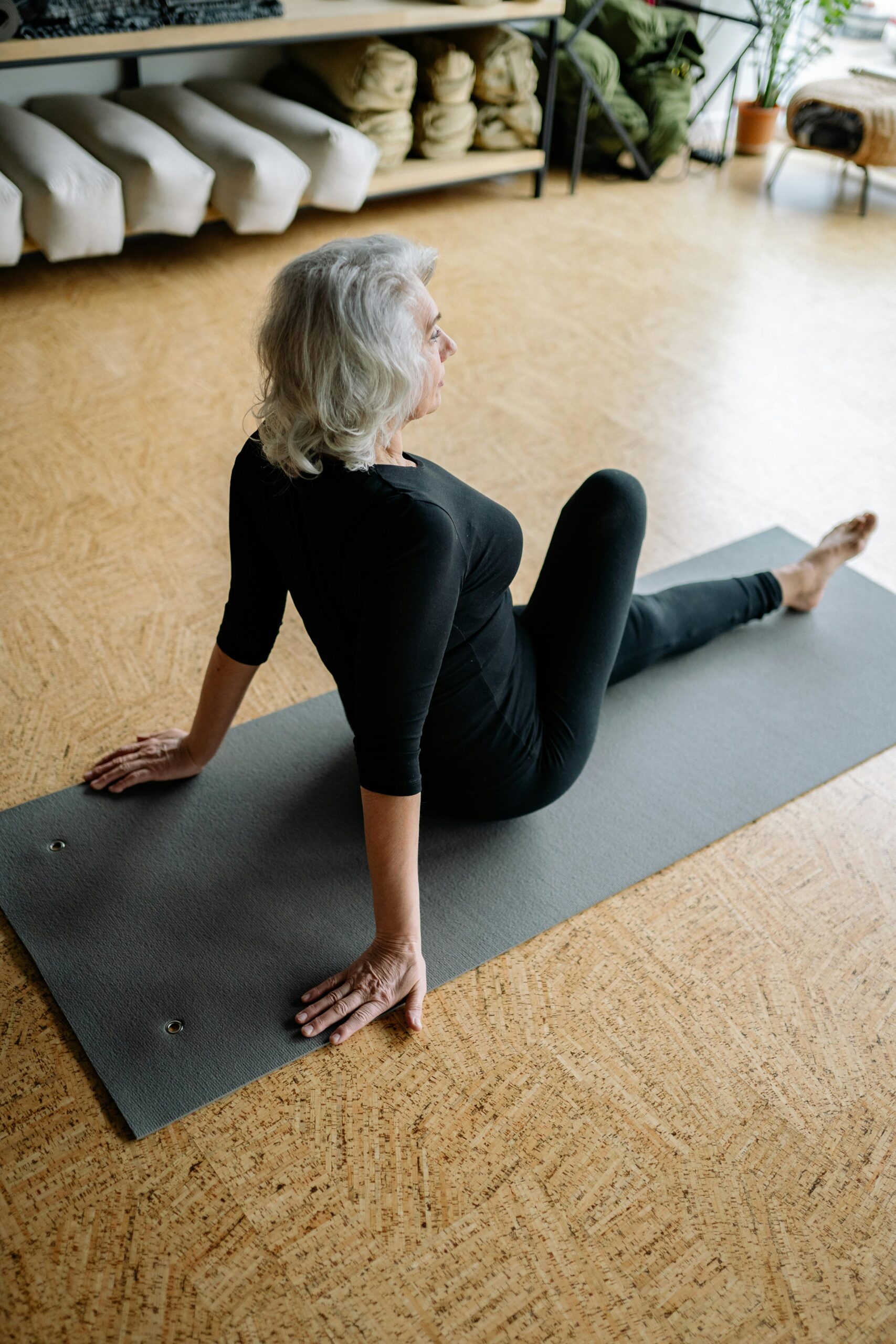
- Piriformis Stretch — While seated or lying down, cross the affected leg over the other and lean forward slightly.
- Walking — Short, frequent walks (even 10–15 minutes) improve circulation without overloading the nerve.
- Cat-Cow Pose or Child’s Pose — Gentle yoga flows help mobilize the spine safely.
Physical therapy or guided exercises (including neural gliding techniques) often speed recovery and prevent recurrence. Many people also benefit from chiropractic care or massage focused on releasing tight hips and glutes.
Daily Habits for Long-Term Healing
- Improve posture while sitting — use a small lumbar roll or towel for support.
- Strengthen your core gradually with planks or bird-dog poses once acute pain settles.
- Apply alternating ice (first 48–72 hours) and heat to reduce inflammation and relax muscles.
- Maintain a healthy weight to lessen pressure on the spine.
- Practice stress reduction — chronic tension can worsen muscle guarding around the nerve.
When to Seek Professional Help
See a doctor promptly if you experience severe weakness, loss of bowel or bladder control, or if pain worsens dramatically. For persistent cases beyond 6–8 weeks, options like targeted physical therapy, manual therapy, or (in rare cases) injections may be considered. Surgery is needed in only a small percentage of cases and is usually reserved for when conservative care doesn’t help.
The Healing Path Forward
Sciatica doesn’t have to define your days. By combining smart movement, anti-inflammatory nourishment, and consistent self-care, most people regain comfort and mobility. Share this with anyone you know who’s struggling — a simple stretch routine or dietary tweak might be the starting point they need.
At HealandNourish, we believe true healing comes from supporting the body’s innate wisdom with nourishing food, mindful movement, and compassionate care.
“Have you or a loved one dealt with sciatica? Share your experience in the comments or forward this to someone who needs it. Subscribe for weekly tips on natural pain relief and gut-spine connection.”
Photo by Yan Krukau: