

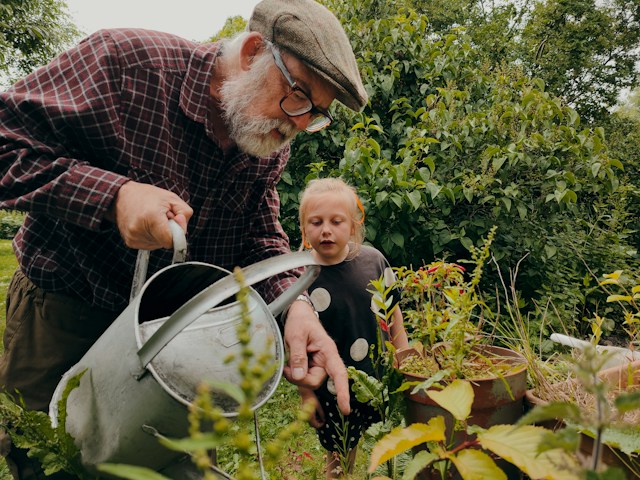
The Simple Backyard Habit That May Be Helping Your Health
Gardening looks like a hobby—but new research suggests it may offer more than beautiful flowers and fresh vegetables.
From gentle physical activity and time outdoors to better wellbeing and access to fresh produce, gardening brings several healthy habits together in one surprisingly simple activity. Here’s what current research really says.
There is something wonderfully ordinary about gardening.
You water a tomato plant, pull a few weeds, move some soil or simply sit among the plants and watch something grow. It does not look like a workout, therapy session or formal health intervention.
And yet, researchers are taking gardening increasingly seriously as a way of supporting health and wellbeing.
That does not mean digging in the soil can prevent every disease or replace exercise, medication or professional healthcare. The evidence is more nuanced than that. But recent research suggests gardening and horticultural activities can contribute to physical activity, psychological wellbeing and quality of life—especially when they become a regular part of everyday life.
Gardening Gets You Moving Without Feeling Like Exercise
One of gardening’s biggest advantages is that movement happens naturally.
Planting, watering, raking, carrying light gardening materials, bending, reaching and walking around a garden all require the body to move. The intensity varies considerably, of course. Pulling weeds for a few minutes is not equivalent to a brisk walk or structured strength workout.
But that does not make the movement meaningless.
For people who dislike traditional exercise, gardening can provide a more enjoyable reason to get off the sofa and spend time on their feet. A 2025 systematic review and meta-analysis of 23 studies involving more than 4,500 adults with chronic health conditions found small-to-medium effects on mental health and smaller effects on physical and general health.
The important point is that gardening can add movement to daily life rather than requiring someone to think of exercise as a separate chore.
The Mental Health Connection Is Particularly Interesting
This is where the research becomes especially intriguing.
Gardening combines several things that may support psychological wellbeing: being outdoors, engaging with nature, performing a purposeful activity and, in some settings, spending time with other people.
A 2024 umbrella review covering 40 studies found an overall positive effect of gardening and horticultural activities on wellbeing, although the researchers also emphasized substantial differences between studies.
More recently, a 2025 systematic review and meta-analysis examined horticultural activities among adults living in the community and found evidence of reduced depressive symptoms. However, the authors also noted that many studies had methodological limitations, meaning the findings should be interpreted carefully rather than treated as proof that gardening is a treatment for depression.
That distinction matters.
Gardening can be a supportive activity for wellbeing, but someone experiencing persistent depression, anxiety or other mental-health symptoms should not be expected to simply “garden their way out” of the problem.
It Can Turn Healthy Eating Into Something Personal
There is another benefit that does not come from the physical act of gardening itself.
When people grow vegetables, herbs or fruit, they may become more connected to the food they eventually eat.
A handful of herbs from a balcony pot or tomatoes grown in a backyard can make healthy food feel less abstract. Gardening can also introduce people to a wider variety of plant foods and make cooking feel more rewarding.
But there is no need to grow your own food to eat well. Fresh, frozen and canned fruits and vegetables can all be nutritious, depending on how they are prepared.
And growing your own produce does not automatically make it healthier. Safe food handling, clean water and appropriate gardening practices still matter.
Gardening Can Also Be Social
A garden does not have to be a solitary place.
Community gardens, neighbourhood growing projects, school gardens and shared allotments can create opportunities for people to meet and work toward a common goal.
That social element may be particularly valuable for people who spend much of their time alone.
Research into community gardening has found associations with measures such as life satisfaction, happiness, general health, mental health and social cohesion, although much of this evidence is observational and cannot prove that gardening itself caused the improvements.
Sometimes the health benefit may come from the combination: movement + nature + purpose + social connection.
What About Older Adults?
Gardening can be particularly adaptable as people get older.
A large garden is not necessary. Someone with limited mobility might grow herbs in containers, tend a few plants from a seated position or use raised beds that reduce the need for repeated bending.
At the same time, gardening should be approached realistically.
Long periods of kneeling, lifting heavy bags, repetitive bending or working in extreme heat can place unnecessary strain on joints, muscles and the cardiovascular system. Older adults or people with chronic conditions may need to adjust activities to their abilities.
The goal is not to turn gardening into an exhausting workout.
It is to find a sustainable form of movement that feels meaningful.
Don’t Forget the Basics of Outdoor Safety
Getting outside can be healthy, but gardening still requires common sense.
Take breaks during hot weather, drink enough fluids, protect your skin from excessive sun exposure and use appropriate gloves when handling soil or plants. People with allergies, reduced sensation in their hands or feet, balance problems or medical conditions affecting exercise tolerance may need additional precautions.
And if gardening causes significant pain, dizziness, chest discomfort or unusual shortness of breath, stop and seek appropriate medical advice.
The Bigger Picture
Perhaps the most interesting thing about gardening is not that it provides one magical health benefit.
It is that a simple activity can bring several healthy behaviours together.
You move your body. You spend time outdoors. You may interact with other people. You can grow food. You have something to care for and look forward to.
Current research does not justify calling gardening a cure or a substitute for medical treatment. But it does support a more modest—and perhaps more useful—idea: healthy habits do not always have to look like traditional exercise or formal wellness programmes.
Sometimes they look like planting a seed, watering a few herbs and spending half an hour outside.
And perhaps that is part of the reason gardening continues to appeal across generations.
It gives people a reason to move, connect and slow down—while creating something they can actually see growing.
Photo by OPPO Find X5 Pro on Unsplash