

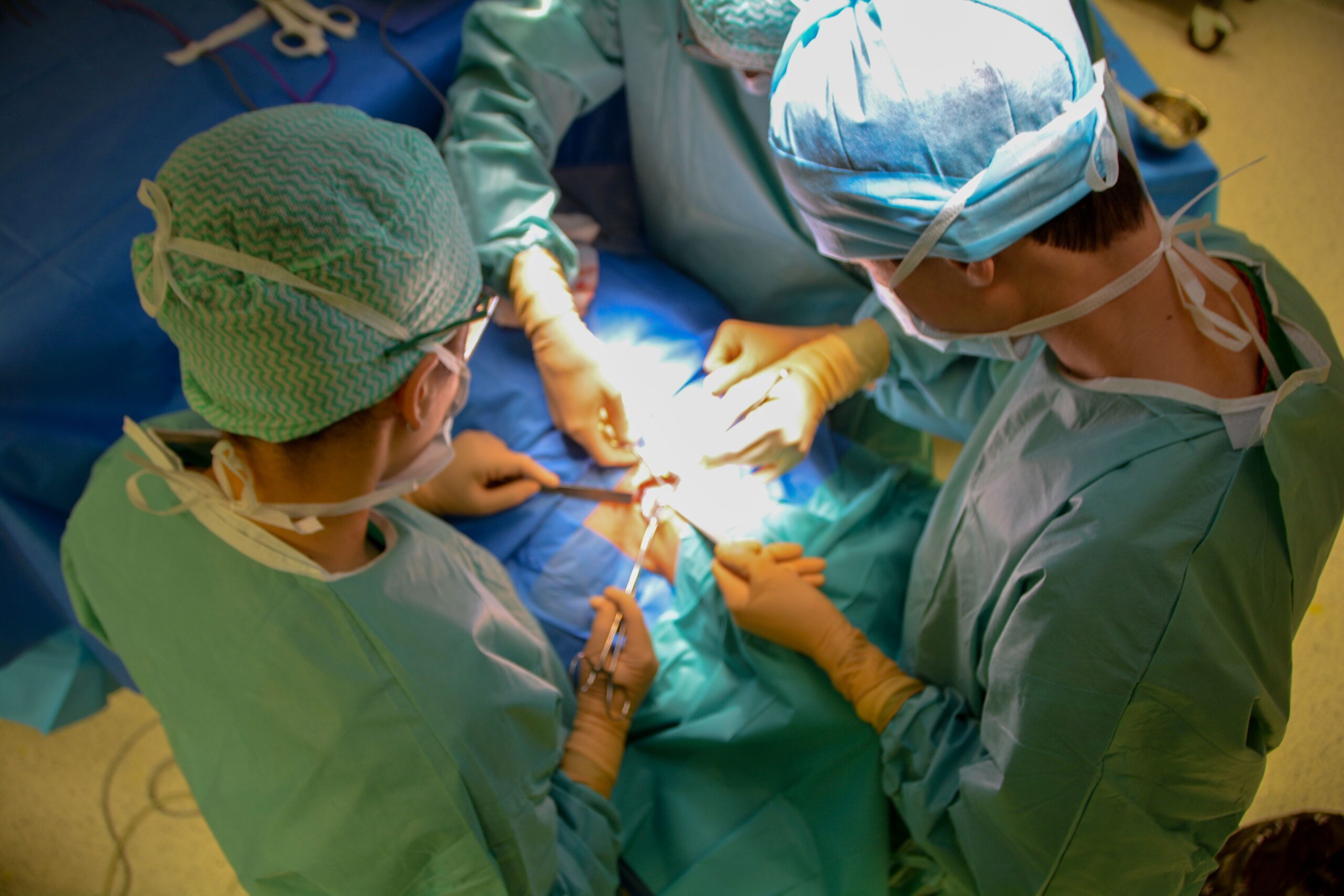
Breathing is something most of us never think about. It happens thousands of times a day, quietly and automatically.
But what happens when a person’s lungs become so severely damaged that keeping them inside the body could be more dangerous than removing them?
In an extraordinary example of modern critical care, doctors used extracorporeal membrane oxygenation (ECMO) to support a patient after both lungs were surgically removed, allowing the medical team time to secure a donor-lung transplant.
The case is remarkable, but it also highlights something increasingly important in modern medicine: advanced life support can sometimes serve as a bridge to another treatment, rather than simply prolonging organ failure.
For older adults and families, understanding technologies such as ECMO can also make conversations about critical illness, transplantation and intensive care a little less mysterious.
When the Lungs Become Part of the Problem
Usually, doctors fight to preserve damaged lungs.
Severe pneumonia, respiratory failure and acute respiratory distress syndrome can prevent the lungs from delivering enough oxygen to the bloodstream. Ventilators, oxygen therapy and medications may help support the patient while the lungs recover.
But some infections are different.
In rare cases, severe infection can cause extensive destruction of lung tissue and trigger sepsis, an overwhelming response to infection that can damage organs throughout the body.
At that point, doctors may face two simultaneous problems: the lungs cannot perform their normal gas-exchange function, and the infected tissue itself may continue contributing to the patient’s critical illness.
Removing the source of infection can become part of the strategy.
A bilateral pneumonectomy—the removal of both lungs—is an extraordinarily serious operation and is not a routine treatment for lung infections. It is considered only in exceptional circumstances where other options may not be enough.
The Problem After Both Lungs Are Removed
There is an obvious problem.
Without functioning lungs, blood cannot receive oxygen or effectively eliminate carbon dioxide through normal breathing.
This is where ECMO can become lifesaving.
Unlike a conventional ventilator, which pushes air into the patient’s lungs, ECMO performs gas exchange outside the body.
Blood is temporarily circulated through an artificial membrane where carbon dioxide is removed and oxygen is added before the blood returns to the circulation.
In effect, the technology can temporarily perform one of the lungs’ most important jobs.
That distinction is crucial.
A ventilator supports damaged lungs. ECMO can temporarily take over gas exchange when the lungs cannot do it adequately.
How ECMO Works
The basic concept sounds almost futuristic, but the principle is surprisingly straightforward.
Blood is drawn from the patient’s circulation through large vascular cannulas and pumped through an oxygenator.
Inside the oxygenator are specialized membranes that allow gases to move between the blood and an external gas supply.
Carbon dioxide moves out of the blood while oxygen moves in.
The oxygen-rich blood is then returned to the patient’s circulation.
This allows oxygen to reach vital organs—including the brain, heart, kidneys and liver—even when the lungs themselves cannot perform sufficient gas exchange.
For patients awaiting transplantation, this can create something extraordinarily valuable:
time.
A Race Against the Clock
In a crisis involving catastrophic lung failure, every hour can matter.
Doctors may need to control infection, stabilize blood pressure, protect other organs and determine whether transplantation is possible.
At the same time, donor lungs must become available.
That is why ECMO is often described as a bridge.
It isn’t necessarily the final treatment. Instead, it can keep a critically ill patient alive while clinicians work toward recovery, transplantation or another definitive intervention.
In the case described, the artificial oxygenation system supported the patient’s circulation during the critical period between removal of the severely diseased lungs and transplantation.
Once suitable donor lungs became available, surgeons could proceed with transplantation.
The Transplant Changes Everything
A lung transplant is itself an extraordinarily complex procedure.
The donor lungs must be carefully positioned and connected to the recipient’s airway and blood vessels. Surgeons must establish functioning connections between the bronchial structures and the pulmonary circulation.
After transplantation, the new lungs can begin performing the gas exchange that the ECMO machine had temporarily provided.
The medical team can then gradually reduce extracorporeal support if the transplanted organs are functioning appropriately.
Eventually, the goal is to remove the ECMO circuit and allow the patient to breathe using the transplanted lungs.
Recovery doesn’t end in the operating room.
Patients may face prolonged rehabilitation, medication management, infection prevention and close monitoring for transplant complications.
Why This Matters as We Get Older
Stories about extraordinary medical procedures can sound distant from everyday healthcare.
But the underlying issues become increasingly relevant as populations age.
Older adults are more likely to experience serious complications from respiratory infections, pneumonia and other conditions that can lead to hospitalization.
That doesn’t mean an older person would automatically qualify for ECMO or transplantation. Far from it.
ECMO is an intensive therapy with substantial risks, including bleeding, blood clots, infection and complications associated with large vascular cannulas and prolonged critical illness.
Doctors carefully consider a patient’s overall health, underlying disease, organ function, likelihood of recovery and treatment goals before recommending such an intervention.
For families, however, understanding these options can help when difficult decisions arise during an intensive-care admission.
ECMO Is Powerful—But It Isn’t a Miracle Machine
It is tempting to describe ECMO as an artificial lung that can simply replace the body’s organs indefinitely.
That isn’t how modern ECMO works.
The technology requires specialized equipment, highly trained teams and continuous monitoring. Patients remain vulnerable to serious complications while connected to the circuit.
The longer support continues, the more complex the risks can become.
That is why clinicians generally view ECMO as a temporary support strategy when there is a realistic path toward recovery, transplantation or another definitive treatment.
Its greatest value may not be replacing an organ forever.
It may be buying enough time to make another lifesaving treatment possible.
A Remarkable Lesson in Modern Medicine
The idea of surviving without lungs sounds impossible because, under ordinary circumstances, it is.
Yet modern critical care has created a narrow window in which artificial circulation and gas exchange can temporarily support the body while surgeons address catastrophic disease.
For older adults and their families, perhaps the most important lesson isn’t that medicine can perform increasingly dramatic procedures.
It is that medicine is becoming better at connecting treatments together.
An operation can remove a source of overwhelming infection. ECMO can temporarily support gas exchange. A donor organ can restore biological function. Rehabilitation can then help the patient regain independence.
No single technology does everything.
Together, however, they can sometimes turn a situation that once appeared hopeless into a chance for recovery.
And that may be the most remarkable part of the story: sometimes modern medicine doesn’t need to replace the future—it only needs to keep a patient alive long enough to reach it.
Photo by Stéf -b.: https://www.pexels.com/photo/high-angle-view-of-doctors-during-an-operation-24193884/