

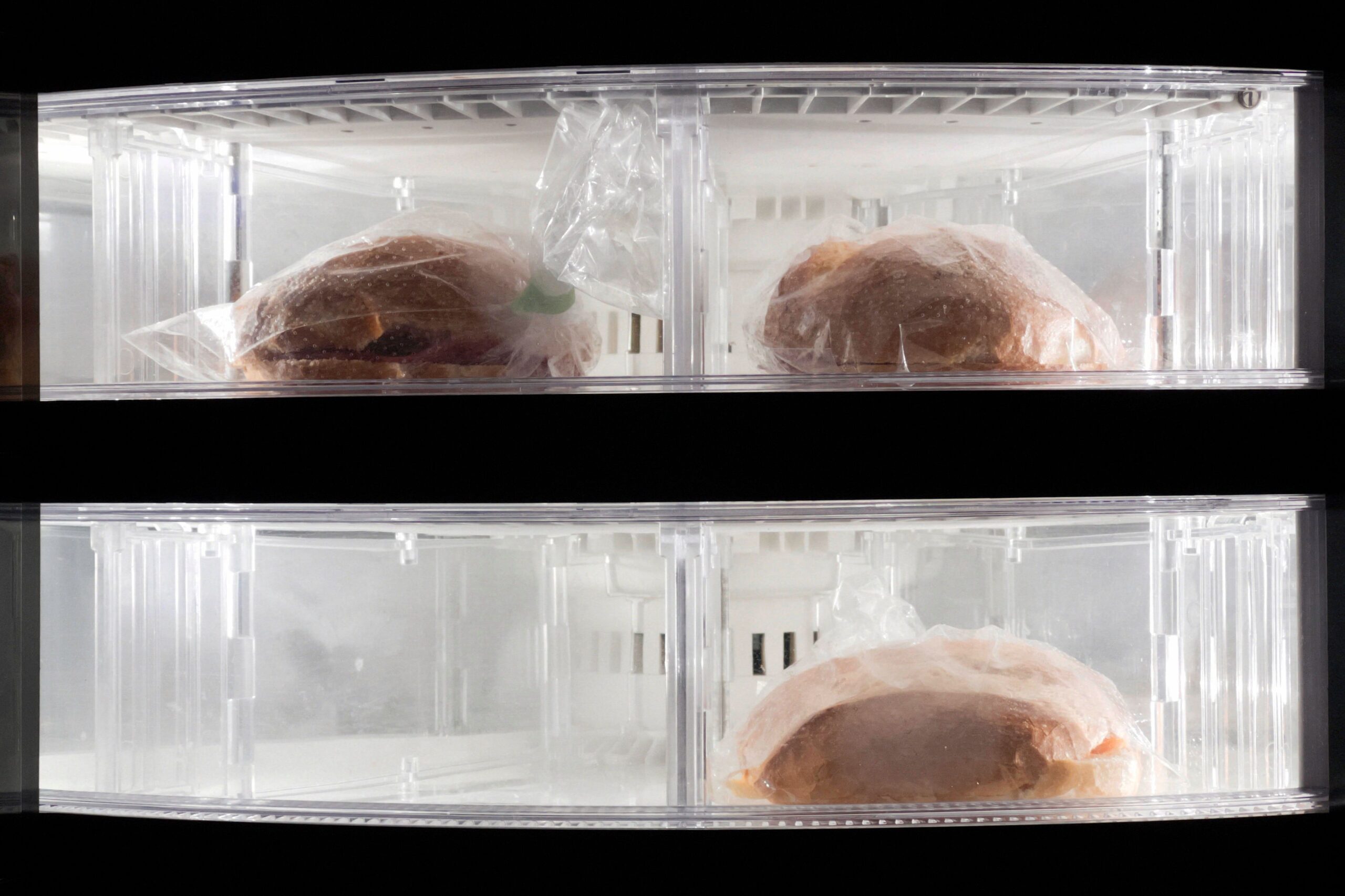
Bread has an unfair reputation in today’s health conversations. For people trying to manage blood sugar, improve metabolic health, or simply avoid the tired feeling that can follow a carbohydrate-heavy meal, white bread is often one of the first foods they are told to limit.
But there is more to bread than its ingredients.
How a starchy food is cooked, cooled, stored and reheated can change its physical structure—and that can influence how quickly the body digests it.
One particularly interesting example is the humble freezer.
Research has found that freezing and subsequently thawing bread can increase the amount of resistant starch, a form of carbohydrate that is not digested as readily in the small intestine. The result may be a smaller post-meal blood-glucose response compared with eating the same bread fresh.
It is not a magic trick, and it does not turn white bread into a high-fiber food. But it is an interesting reminder that small changes in food preparation can sometimes make a meaningful difference.
What Happens to Bread When You Freeze It?
To understand the freezer effect, we need to look at starch.
Starch is made primarily from two types of glucose-containing molecules: amylose and amylopectin. When flour is mixed with water and exposed to heat during baking, these starch molecules undergo a process called gelatinization.
The starch granules absorb water, swell and become much easier for digestive enzymes to break down.
That is one reason freshly baked bread can be digested relatively quickly.
But cooling changes the picture.
As cooked starch cools, some of its molecules begin to reorganize and form more tightly packed structures. Scientists call this process retrogradation. Some of the reorganized starch becomes resistant starch, meaning digestive enzymes have a harder time breaking it down in the small intestine.
Freezing can contribute to this structural transformation.
The important point is that the freezer is not removing carbohydrates from the bread. It is changing the form in which some of those carbohydrates exist.
Why Resistant Starch Matters
Resistant starch behaves differently from rapidly digestible starch.
Instead of being completely broken down and absorbed as glucose in the small intestine, a portion reaches the large intestine, where gut microorganisms can ferment it.
This makes resistant starch interesting from a metabolic and digestive-health perspective.
During fermentation, gut bacteria produce compounds called short-chain fatty acids, including butyrate. These compounds play important roles in maintaining the intestinal environment and supporting the cells lining the colon.
Research into resistant starch is ongoing, and scientists are still investigating how much different foods contribute to meaningful long-term health effects.
But the basic food chemistry is well established: cooling cooked starch can change its digestibility.
Does Freezing Bread Actually Lower the Blood-Sugar Rise?
This is where the idea becomes especially interesting.
A study from researchers at Oxford Brookes University compared different preparations of white bread, including fresh bread, toasted bread, frozen-and-thawed bread, and frozen-and-thawed bread that was subsequently toasted.
The researchers measured participants’ blood-glucose responses after eating the different preparations.
The frozen-and-thawed bread produced a lower glucose response than the fresh bread, while the combination of freezing, thawing and toasting produced an even greater reduction in that particular study.
However, the findings should not be interpreted as meaning that all frozen bread will produce a specific percentage reduction in blood sugar.
The result can depend on the type of bread, recipe, cooking method, portion size and individual metabolism.
For someone with diabetes or another condition affecting blood glucose, this technique should therefore be viewed as an optional food-preparation strategy—not a substitute for medical treatment or individualized dietary advice.
The Trick Is Surprisingly Simple
If you want to experiment with the method, there is no complicated recipe involved.
Buy a loaf of bread and divide it into individual slices. Store the slices in a sealed freezer-safe container or bag.
When you want bread, take out a slice and allow it to thaw, or toast it according to your preference.
Some people prefer putting frozen bread directly into a toaster, provided their appliance is designed to handle frozen bread safely.
The texture may be slightly different from freshly baked bread, but many people find that toasted frozen-and-thawed bread is perfectly enjoyable.
Could the Same Thing Happen With Rice and Potatoes?
Bread is not the only starchy food affected by cooling.
Similar retrogradation processes can occur when foods such as rice, potatoes and pasta are cooked and then cooled.
Research has found that cooling cooked starches can increase their resistant-starch content, although the effect varies considerably according to the food, cooking method, cooling duration and reheating process.
That means yesterday’s rice may not be nutritionally identical to freshly cooked rice—even when the ingredients are otherwise exactly the same.
Still, food safety matters.
Cooked rice and other leftovers should be cooled and refrigerated promptly rather than being left at room temperature for prolonged periods. Reheating should also be done safely.
What This Means for People Watching Their Blood Sugar
For people concerned about blood glucose, the bigger lesson is not simply “freeze your bread.”
It is that the body’s response to carbohydrate-containing foods depends on more than the carbohydrate number printed on a nutrition label.
Portion size, fiber, protein, fat, cooking method, food structure and individual metabolism all influence what happens after a meal.
You can also make a meal more balanced by pairing bread with foods containing protein, healthy fats and fiber.
For example, instead of eating several slices of plain toast alone, you might pair a slice with eggs, vegetables, beans, avocado or another nutritious topping that fits your dietary needs.
And choosing whole-grain bread remains a useful option for increasing dietary fiber.
A Small Kitchen Change, Not a Miracle Cure
The freezer trick is appealing because it costs almost nothing and requires no special products.
But it is important not to oversell it.
Freezing bread does not erase its carbohydrate content, prevent blood-glucose increases completely, or transform refined white bread into a whole-food equivalent.
What it does is demonstrate something genuinely fascinating about nutrition: the physical structure of food can influence how our bodies process it.
For someone who enjoys bread, that can be useful information.
Instead of thinking about healthy eating as a list of foods you are forbidden to enjoy, sometimes the better question is simpler:
Can changing the way we prepare everyday foods make them work a little better for our bodies?
In the case of cooled and reheated starch, science suggests the answer may be yes.
Photo by Carsten Ruthemann: https://www.pexels.com/photo/sandwiches-in-fridge-21071800/