

For many parents, measles belongs to an older chapter of medical history.
It was once a routine childhood infection, spreading rapidly through schools and communities before widespread vaccination transformed the picture. In 2000, the United States declared that endemic measles transmission had been eliminated.
But elimination never meant the virus disappeared forever.
People can still bring measles into the country after becoming infected elsewhere. If that person enters a community where vaccination coverage is too low, the virus can begin spreading again.
That is why the recent rise in measles cases has attracted so much attention from public-health officials.
CDC surveillance shows measles transmission returning to communities across the country, while national MMR vaccination coverage among kindergartners has fallen well below the 95% level generally considered important for maintaining strong community protection.
The concern is not simply about one disease. Measles is a warning that progress against vaccine-preventable infections can be lost when immunity gaps grow.
SL: Why Measles Can Return So Quickly
Measles is extraordinarily contagious.
The virus spreads through the air when an infected person breathes, coughs or sneezes. Someone who is susceptible can become infected simply by sharing an indoor environment with an infectious person.
That makes measles particularly sensitive to changes in vaccination coverage.
For community-wide protection, roughly 95% vaccination coverage is generally needed because measles spreads so efficiently. When coverage falls below that level, pockets of susceptible people can develop.
The national numbers may look like small percentage changes, but even a few percentage points can represent hundreds of thousands of children.
During the 2024–2025 school year, CDC estimated that MMR coverage among U.S. kindergartners was 92.5%, down from 95.2% in 2019–2020. About 286,000 kindergartners did not have documentation of completing the MMR series.
Local coverage can be considerably lower than the national figure, creating communities where an imported case has much more opportunity to spread.
SL: Elimination Is Not the Same as Eradication
There is an important distinction between elimination and eradication.
Eradication means a disease has been reduced to zero worldwide.
Elimination means sustained transmission has been stopped within a particular geographic area.
The United States eliminated endemic measles transmission, but imported infections can still occur.
Globally, the situation remains fragile. WHO reported that measles vaccination gaps continue to threaten elimination efforts, with outbreaks occurring when communities contain too many people who are unvaccinated or under-vaccinated.
The Americas also experienced a setback. WHO reported that the region regained measles elimination status in 2024 but lost that status again in November 2025 because ongoing transmission in Canada met the criteria for re-establishment.
In Europe, WHO’s regional verification process has also identified countries where measles transmission has been re-established, including Spain and the United Kingdom.
The broader message is clear: elimination requires continuous vaccination and surveillance. It is not a permanent victory that can simply be declared and forgotten.
SL: What Caused the Immunity Gap?
There is no single explanation for falling vaccination coverage.
The COVID-19 pandemic disrupted routine healthcare and childhood vaccination services in many places. Some families also delayed appointments or struggled to reconnect with routine medical care afterward.
At the same time, vaccine exemptions have increased in some areas.
CDC reported that exemptions among U.S. kindergartners increased from 3.3% in 2023–2024 to 3.6% in 2024–2025. During the latter school year, exemptions increased in 36 states and Washington, D.C.
Misinformation and declining confidence in health institutions can add another layer to the problem.
The result is a complicated public-health challenge involving access to healthcare, confidence, convenience, local policies and individual decisions.
SL: Measles Is More Than a Childhood Rash
Measles is sometimes described as an unpleasant but relatively harmless childhood illness.
That description misses the potential seriousness of the infection.
WHO classifies measles as a serious airborne disease that can cause complications and death. Symptoms commonly begin with fever, cough, runny nose and irritated or watery eyes, followed by a characteristic widespread rash.
Some people develop complications such as pneumonia or inflammation of the brain.
Young children are particularly vulnerable, especially those who are too young to have completed routine vaccination.
People with weakened immune systems can also face increased risks.
This is why an outbreak affects more than the people who deliberately or unintentionally remain unvaccinated. Infants who are not yet eligible for routine vaccination and certain medically vulnerable people depend partly on the protection created by the surrounding community.
SL: Vaccination Remains the Strongest Protection
The MMR vaccine is the central tool used to prevent measles.
Two doses provide very strong protection, although no vaccine is 100% effective.
Maintaining high coverage means that when an infected traveler or visitor brings measles into the country, the virus has fewer opportunities to find susceptible people.
For families, the practical step is straightforward: check vaccination records and discuss any missed or delayed doses with a healthcare professional.
Children who have fallen behind do not necessarily need to start their vaccination series again. Healthcare providers can determine what doses are needed to bring them up to date.
People planning international travel should also discuss measles protection with a healthcare professional ahead of time, because measles continues to circulate in many parts of the world.
SL: What to Do If Measles Is Suspected
Recognizing symptoms matters during an outbreak.
A person who develops fever, cough, runny nose, irritated eyes and a new rash—particularly after a known exposure or travel—should contact a healthcare provider promptly.
It is important to call before arriving at a clinic or doctor’s office so staff can advise on how to reduce exposure to other patients.
This is especially important because measles spreads so efficiently indoors.
Public-health authorities may also recommend testing, isolation and contact tracing when an exposure occurs.
SL: The Bigger Public-Health Lesson
The return of measles is not proof that modern medicine has failed.
In many ways, it demonstrates the opposite.
Vaccination drove measles transmission in the United States down to the point where endemic disease was eliminated. The current problem is maintaining that achievement.
WHO estimates that measles vaccination prevented nearly 59 million deaths worldwide between 2000 and 2024. Yet global vaccination gaps remain large, with millions of children still insufficiently protected.
That makes the current U.S. outbreaks more than a story about one virus.
They are a reminder that public-health victories require maintenance.
When vaccination coverage remains high, diseases that once dominated childhood can stay largely out of sight. When immunity gaps widen, those same diseases can find their way back.
The lesson is uncomfortable but important: prevention works—but only when enough people can access it and communities continue to protect it.
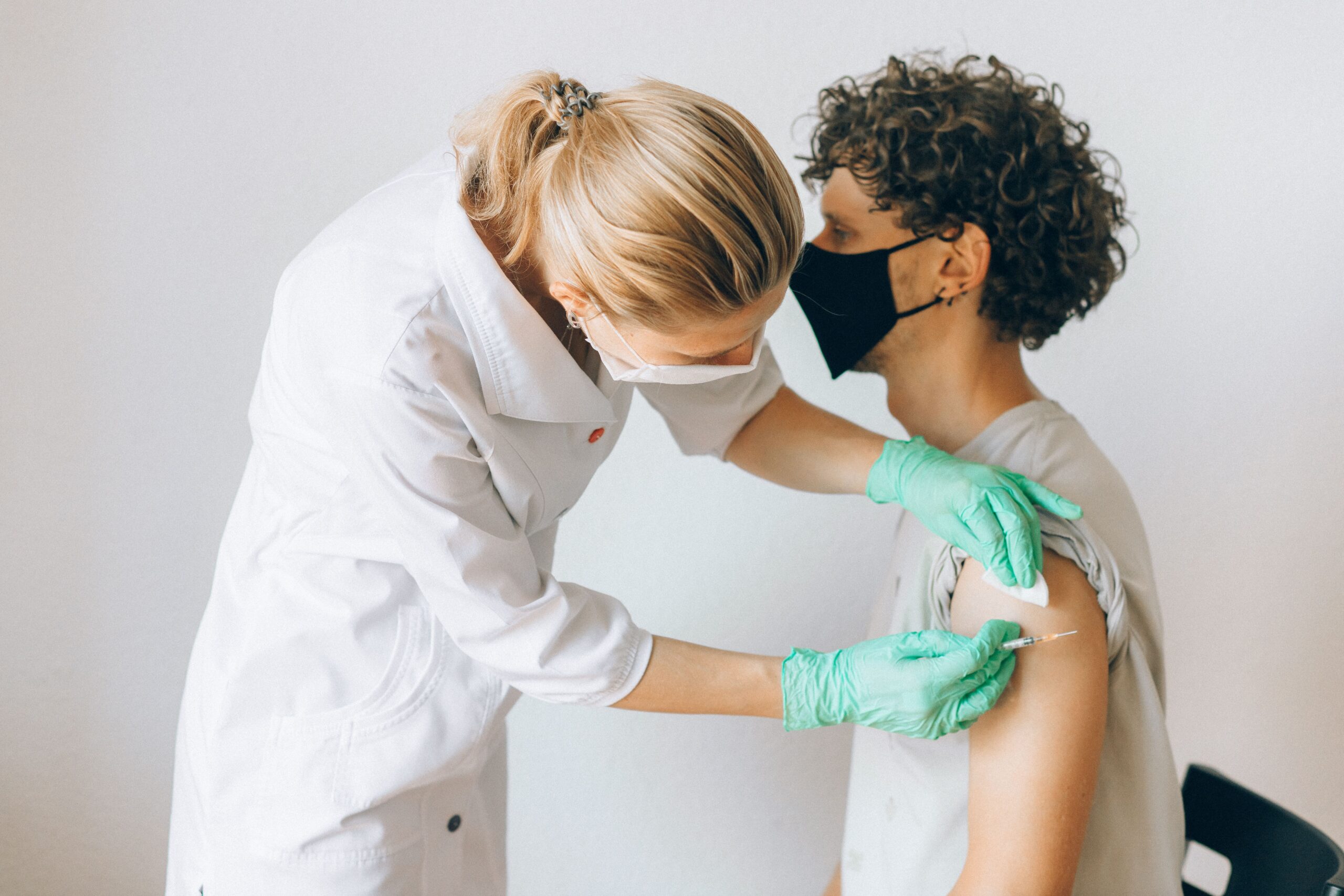
Photo by Nataliya Vaitkevich: https://www.pexels.com/photo/young-man-getting-vaccinated-8830479/