

Kidney stones can turn an ordinary day into an incredibly painful experience. The discomfort may begin suddenly in the back or side, sometimes spreading towards the lower abdomen. Nausea, vomiting and difficulty passing urine can make the experience even more distressing.
For people who have experienced a kidney stone, preventing another one becomes a priority. That is why simple dietary changes, particularly drinking enough fluids, receive so much attention.
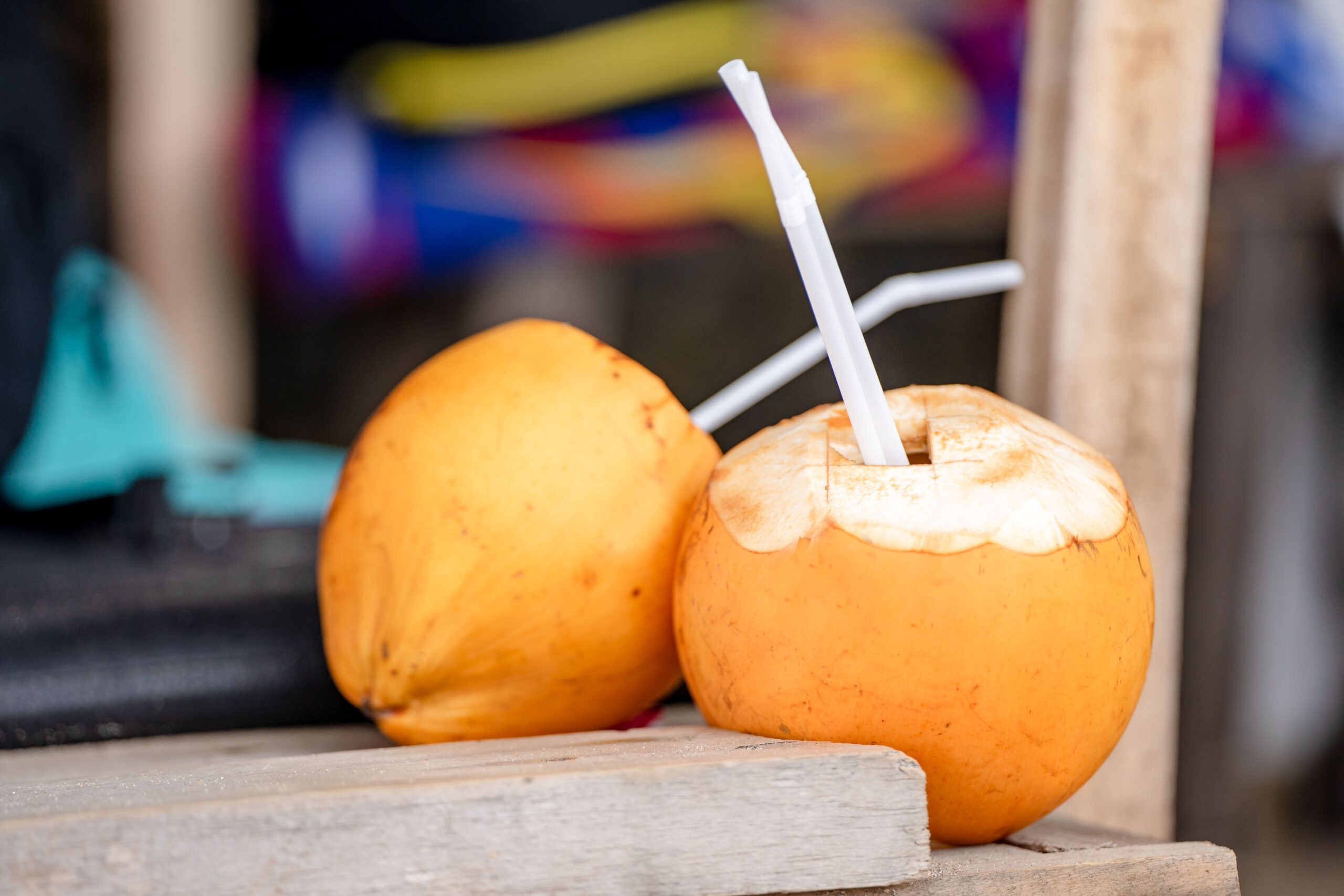
One drink that has attracted interest is coconut water. Naturally rich in potassium, it is often promoted as a refreshing way to support kidney health. But can it actually help prevent kidney stones, or is its reputation getting ahead of the science?
The answer is promising, but there are important things to understand before making it part of your daily routine.
Why Do Kidney Stones Develop?
Kidney stones form when certain minerals and other substances become concentrated in urine and begin to crystallise. Calcium oxalate stones are the most common type.
When urine becomes too concentrated, these tiny crystals can grow and combine into larger stones. Some pass naturally, while others can become lodged in the urinary tract and require medical treatment.
Dehydration is an important risk factor because it reduces urine volume, allowing stone-forming substances to become more concentrated.
Other factors include a high-sodium diet, certain medical conditions, family history and previous kidney stones.
The good news is that drinking enough fluids and making appropriate dietary changes can reduce the risk of recurrence for many people.
What Makes Coconut Water Interesting?
Coconut water contains potassium and other naturally occurring minerals. Researchers have investigated whether these nutrients could influence urine chemistry in ways that make stone formation less likely.
One substance of particular interest is citrate.
Citrate occurs naturally in urine and helps prevent calcium from joining with other substances to form crystals. When urinary citrate levels are low, the risk of certain types of kidney stones can increase.
Some small human studies have found that coconut water may increase urinary citrate and potassium levels. These findings suggest that the drink could influence some of the chemical factors involved in stone formation.
However, there is an important distinction: improving urine chemistry does not automatically prove that a drink prevents kidney stones in everyday life.
The available evidence remains limited, and larger, well-designed studies are needed to establish whether regular coconut water consumption meaningfully reduces stone recurrence.
Is Coconut Water Better Than Plain Water?
Not necessarily.
Plain water remains one of the simplest and most effective ways to support kidney stone prevention. Drinking enough fluid helps increase urine volume, diluting substances that could otherwise form crystals.
For people with a history of kidney stones, healthcare professionals often recommend adjusting fluid intake to produce around 2.5 litres of urine daily, although individual needs vary.
Coconut water can contribute to your overall fluid intake, but it should not be considered a replacement for a good hydration routine.
It also contains natural sugars and calories, unlike plain water. Drinking large quantities every day may add more sugar and energy to your diet than you intended.
A practical approach is to enjoy unsweetened coconut water as an occasional drink while relying primarily on plain water for everyday hydration.
Who Should Be Careful With Coconut Water?
Although coconut water is suitable for many healthy adults, it is not the right choice for everyone.
People with chronic kidney disease: Damaged kidneys may struggle to remove excess potassium from the blood. Since coconut water can contain substantial amounts of potassium, people with impaired kidney function should ask their healthcare professional before drinking it regularly.
People taking certain medications: Some medicines, including potassium supplements and certain blood pressure drugs, can increase blood potassium levels. Anyone taking these medications should discuss regular coconut water consumption with their clinician if potassium control is a concern.
People managing diabetes: Coconut water contains natural sugars and carbohydrates. Checking the nutrition label and accounting for these carbohydrates can help maintain blood glucose control.
If you have recurring kidney stones, a doctor may recommend urine testing to identify the specific substances contributing to stone formation. Your prevention plan should be based on those findings rather than relying on one particular beverage.
Five Everyday Habits That May Help Protect Your Kidneys
You do not need an expensive supplement or complicated routine to begin reducing your risk.
1. Drink enough fluids. Spread your water intake throughout the day, and increase it when heat, exercise or sweating raises your fluid needs, unless you have been advised to restrict fluids.
2. Reduce excess salt. High sodium intake can increase the amount of calcium passed into urine, raising the risk of certain stones. Limit heavily salted snacks, processed foods and frequent high-sodium meals.
3. Eat a balanced diet. Include vegetables, fruits and whole grains. Avoid drastically restricting calcium-rich foods without medical advice, because normal dietary calcium can help reduce oxalate absorption in the gut.
4. Avoid excessive sugary drinks. Make water your main beverage and keep sweetened drinks to a minimum.
5. Follow personalised medical advice. People with recurrent stones may need specific dietary changes or prescribed medicines, such as potassium citrate. Coconut water has not been established as a substitute for these treatments.
The Bottom Line
Coconut water is a refreshing drink that can contribute to hydration, and early research suggests it may influence urinary factors associated with kidney stone formation.
But it is not a proven cure, and there is not enough evidence to recommend it as a standalone method of preventing kidney stones.
For most people, the more reliable strategy is to drink enough water, limit excess salt, maintain a balanced diet and seek medical advice when stones recur.
If you enjoy coconut water, there is no need to give it up simply because the evidence is still developing. Just remember that healthy kidneys benefit more from consistent hydration and personalised prevention than from relying on any single drink.
Photo by Atlantic Ambience: https://www.pexels.com/photo/yellow-coconut-fruits-with-drinking-straws-11398730/