

For years, conversations about liver health have centered on alcohol.
That makes sense. Heavy alcohol consumption can damage liver cells, cause inflammation and eventually contribute to fibrosis, cirrhosis and liver failure.
But there is another liver problem becoming increasingly common, including among people who drink little or no alcohol: metabolic dysfunction-associated steatotic liver disease, or MASLD.
Diet, excess body weight, insulin resistance and other metabolic factors can all contribute to fat accumulating in the liver. Sugar-sweetened beverages are one part of that picture, and researchers have been paying particular attention to beverages containing large amounts of added sugars.
That raises an attention-grabbing question: Can a daily soda damage the liver as much as alcohol?
The answer is more complicated than a simple yes or no.
The Liver Has to Handle Fructose Differently
Table sugar, or sucrose, contains glucose and fructose. High-fructose corn syrup also contains both sugars in varying proportions.
Glucose can be used by many tissues throughout the body. Fructose, meanwhile, is metabolized primarily in the liver.
When someone regularly consumes large amounts of added sugar—particularly in liquid form—the liver has to process repeated doses of fructose.
Some fructose can be converted into glucose or lactate, while some can contribute to de novo lipogenesis, the process through which the body produces fat.
That does not mean every glass of soda automatically turns into liver fat. The amount consumed, overall diet, physical activity, metabolic health and individual biology all matter.
The concern is what can happen with habitual, high intake over time.
Why Liquid Sugar Gets So Much Attention
A sugary drink is very different from eating a whole piece of fruit.
An apple or orange contains naturally occurring sugars, but it also provides fiber, water and a physical food structure that generally slows consumption and digestion.
A soft drink provides sugar in a rapidly consumed liquid form with little or no fiber.
It is also remarkably easy to drink a large amount without feeling particularly full.
That can make sugar-sweetened beverages an important source of excess energy, especially when they are consumed frequently.
Research has associated higher consumption of sugar-sweetened beverages with a greater risk of fatty liver disease and metabolic problems. However, association does not mean that soda is independently responsible for every case of liver disease.
MASLD Is Now a Major Health Issue
The condition formerly known as non-alcoholic fatty liver disease, or NAFLD, is now generally referred to as MASLD when metabolic risk factors are present.
The condition begins with excess fat accumulation in the liver.
For some people, this remains relatively stable. For others, liver inflammation can develop, progressing to a form called metabolic dysfunction-associated steatohepatitis, or MASH.
Persistent inflammation can eventually cause fibrosis, in which scar tissue accumulates.
Advanced fibrosis can progress to cirrhosis and increase the risk of liver failure and liver cancer.
The worrying part is that early liver disease can be remarkably quiet.
Someone may have significant fat accumulation or even fibrosis without obvious symptoms.
That is one reason metabolic liver disease has become such an important public-health concern.
Soda Isn’t Simply “Liquid Alcohol”
This is where sensational comparisons can become misleading.
Alcohol and fructose are processed differently and cause liver injury through overlapping but distinct biological pathways.
Alcohol can directly produce toxic metabolites, oxidative stress and inflammation. Chronic excessive alcohol exposure can lead to alcoholic fatty liver disease, alcoholic hepatitis and cirrhosis.
Sugar-sweetened beverages, on the other hand, are primarily relevant to liver health through metabolic pathways, including excess energy intake, insulin resistance and increased fat production under certain conditions.
There is therefore no scientifically useful rule saying that one can of soda is equivalent to a particular amount of alcohol in terms of liver damage.
The risks are real, but the mechanisms are not interchangeable.
The Bigger Problem May Be the Daily Habit
One occasional soda is unlikely to determine someone’s liver health.
The concern is repetition.
A sugary drink becomes more relevant when it is consumed every day, particularly alongside a diet high in refined carbohydrates and calories and low in fiber-rich foods.
Over time, habitual high consumption can contribute to weight gain and metabolic dysfunction in susceptible individuals.
Those metabolic changes can increase the likelihood of liver fat accumulation.
This is why experts generally focus less on declaring one food or beverage “toxic” and more on the overall dietary pattern.
Can the Liver Recover?
There is encouraging news.
The liver has a remarkable capacity for repair, particularly when metabolic risk factors are addressed before advanced scarring develops.
Reducing excessive calorie intake, improving diet quality, increasing physical activity and losing weight when medically appropriate can reduce liver fat and improve metabolic health.
For people with MASLD, even relatively modest weight loss can improve liver fat, while greater sustained weight loss may provide larger benefits for inflammation and fibrosis.
Importantly, people should not attempt extreme crash diets or drastic “liver detoxes.” There is no special drink or supplement that can cleanse the liver of accumulated fat.
The goal is sustainable metabolic health.
A Practical First Step: Rethink Your Drinks
If sugary beverages are part of your daily routine, reducing them is a straightforward place to start.
Instead of automatically reaching for soda, consider:
- Plain or sparkling water
- Unsweetened tea
- Water infused with fruit or herbs
- Unsweetened coffee, if appropriate for you
- Lower-sugar alternatives
You do not have to change everything overnight.
Replacing one habitual sugary drink with water each day can be a realistic beginning.
It is also worth remembering that fruit juice can contain substantial amounts of naturally occurring sugar despite having a healthier image than soda. Whole fruit generally provides more fiber and requires more chewing, making it a better everyday choice.
The Bigger Picture of Liver Health
Liver disease rarely comes down to one ingredient.
Alcohol consumption, body weight, physical activity, diabetes, cholesterol levels, medications, genetics and overall dietary patterns can all influence liver health.
That is why the question should not simply be “Is soda worse than alcohol?”
A more useful question is:
“How often am I giving my body more added sugar than it needs, and what is that habit doing to my metabolic health over time?”
For someone who drinks several sugary beverages every day, cutting back can be a meaningful health change.
And unlike dramatic detox promises, this approach has something much more valuable behind it: established evidence about reducing excess sugar intake, improving metabolic health and lowering the risk factors associated with fatty liver disease.
Your liver does not need a miracle cleanse.
Sometimes, it simply needs less of the daily burden.
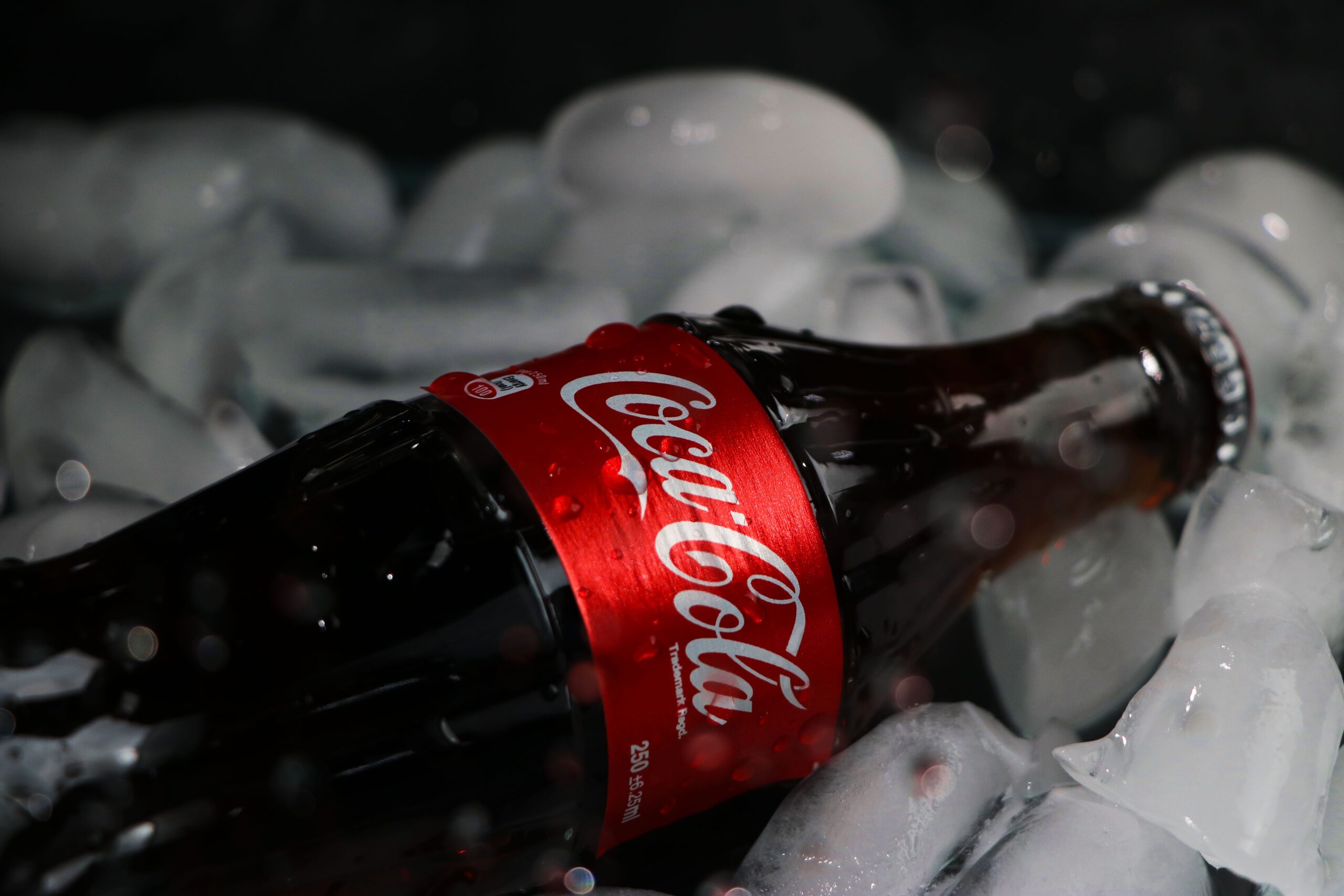
Photo by Fafegh: https://www.pexels.com/photo/a-close-up-shot-of-a-coca-cola-bottle-on-ice-7001005/
[…] Check this out: Is Your Daily Soda Harming Your Liver More Than You Realize? […]