

A spinal cord injury can change a person’s life in seconds. A road accident, fall or sports injury can damage the delicate bundle of nerves that carries messages between the brain and the rest of the body.
Doctors can stabilize the spine, relieve pressure and provide intensive rehabilitation. But repairing the damaged neural circuitry itself has remained one of the biggest challenges in medicine.
That may be beginning to change.
In July 2026, researchers published results from a first-in-human clinical trial in Nature Medicine testing neural progenitor cells made from induced pluripotent stem cells (iPSCs) in people with recent, severe spinal cord injuries. The study was small, involving just four men, and its main purpose was to investigate safety. Still, the results provide an important early step for regenerative medicine.
Why Spinal Cord Injuries Are So Difficult to Repair
The spinal cord is not simply a collection of electrical wires. It contains an intricate network of neurons, supporting cells and connections that must work together to carry movement and sensory information.
After a serious injury, some nerve fibers are directly damaged. Secondary processes can then cause additional tissue damage, inflammation and loss of healthy connections.
The central nervous system also has a limited ability to regenerate compared with many peripheral nerves. Scar tissue and other biological signals around the injury can make it difficult for surviving nerve fibers to reconnect.
This is one reason why rehabilitation remains so important. Therapy can help people make the most of the neural pathways that survive, but it cannot currently replace large amounts of destroyed spinal cord tissue.
How the New Stem Cell Approach Works
The Japanese research team used induced pluripotent stem cells, or iPSCs.
These cells can be generated by reprogramming mature human cells and then directing them toward specific cell types. In this trial, researchers produced neural stem and progenitor cells designed for transplantation into the injured spinal cord.
The idea is not simply to “fill a hole” in the spinal cord.
Researchers hope transplanted cells can survive in the injured area, develop into useful neural cell types and potentially create new connections with surviving nervous tissue.
The cells may also influence the environment around the injury by releasing biological signals that support neural survival and repair.
It is important to emphasize, however, that the researchers could not directly prove in living patients exactly how the transplanted cells contributed to recovery.
What Happened in the Human Trial?
Seven people were screened for the study, but only four met the eligibility criteria and received the cell transplant. All four had subacute complete cervical spinal cord injuries.
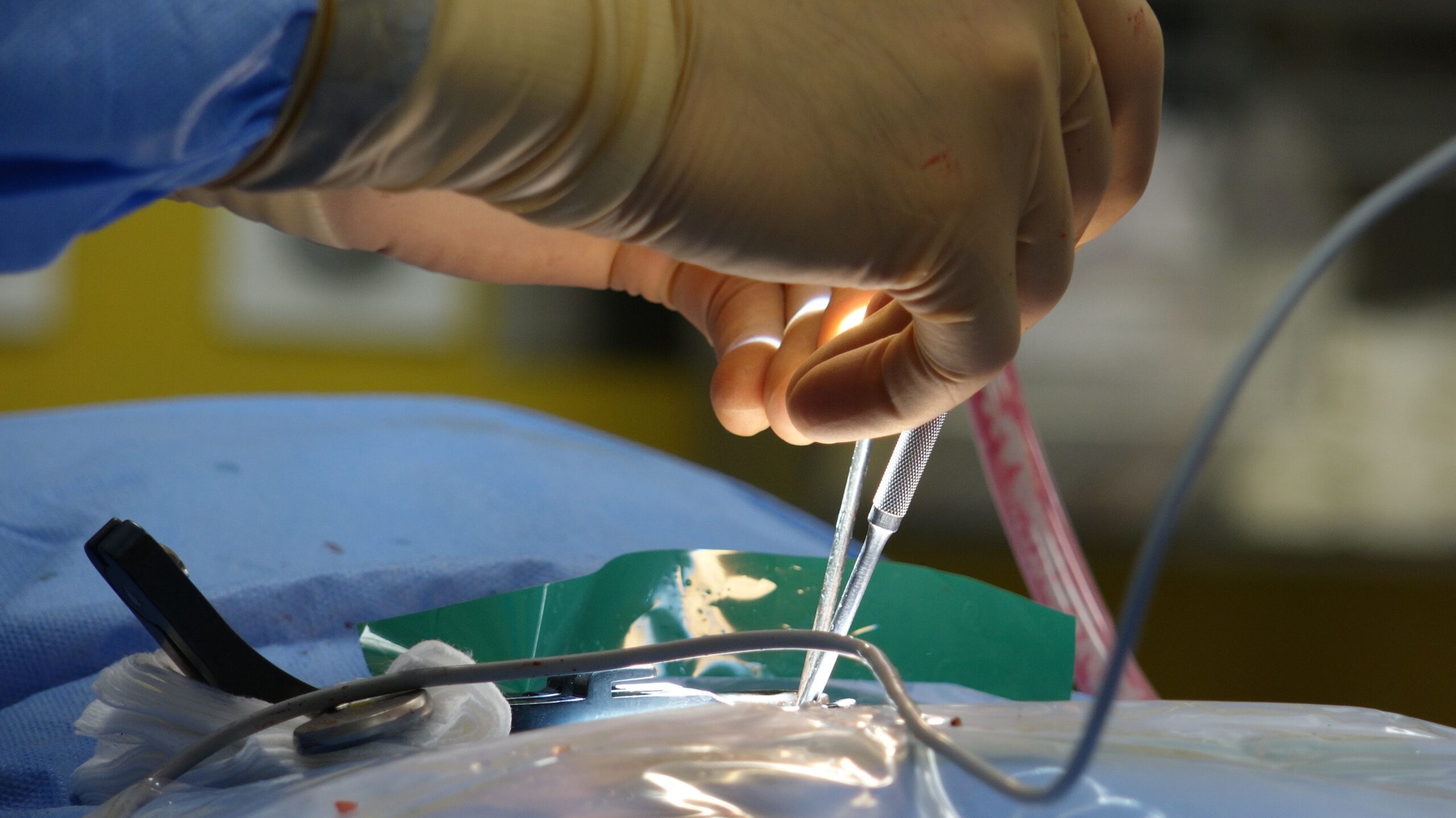
The researchers transplanted approximately 2 million iPSC-derived neural stem/progenitor cells into the center of each spinal cord lesion. The procedure was performed under ultrasound guidance.
Because transplanted cells can potentially trigger immune responses, participants also received temporary immunosuppressive treatment.
The main safety findings were encouraging.
During follow-up lasting between two and four years, researchers reported no tumor formation or graft-related adverse events. The graft sites also remained stable on imaging.
That is particularly significant because uncontrolled cell growth has been one of the major concerns surrounding stem-cell treatments involving pluripotent cells.
Did the Patients Regain Movement?
This is where the results become especially interesting—but also where caution is essential.
All four participants showed improvements in neurological and functional measurements during the study. At 52 weeks, the median improvement in the International Standards for Neurological Classification of Spinal Cord Injury motor score was 13 points from baseline.
Two participants improved from the most severe neurological classification, AIS grade A, to grade C or D. Sensory improvements were also observed.
Those findings are encouraging, but they do not prove that the transplanted cells caused the recovery.
The study was open-label, involved only four people and did not have a randomized control group. Some neurological recovery can occur naturally after spinal cord injury, particularly during the early months.
The researchers themselves therefore describe the efficacy findings as exploratory and say larger controlled trials are needed.
Why This Research Matters
The biggest achievement may not be that researchers have already restored paralysis. They have not.
Instead, the study demonstrates that a complex cell-transplant strategy can be performed in humans and followed for several years without the major safety problems researchers feared.
That changes the conversation.
Future trials can now focus more closely on whether the treatment actually improves movement, sensation and independence—and which patients are most likely to benefit.
Researchers will also need to understand how the transplanted cells survive, mature and interact with the patient’s existing spinal cord.
What Comes Next?
The next stage is larger and more controlled clinical research.
Scientists will need to determine whether the improvements seen in this small study can be reproduced in a broader group of patients. They will also need to establish the most appropriate timing, cell dose, rehabilitation strategy and duration of immunosuppression.
The treatment is not currently an approved cure for paralysis, and people with spinal cord injuries should not view experimental stem-cell procedures as replacements for established medical care and rehabilitation.
Still, the 2026 trial represents a meaningful milestone.
For decades, repairing the injured human spinal cord seemed almost impossible. This study does not solve that problem—but it provides early human evidence that transplanted neural progenitor cells can be delivered safely and may be worth testing much more extensively.
The bridge is not finished. But researchers have taken another important step toward finding out whether damaged spinal circuits can one day be repaired rather than simply managed.
Photo by Viktors Duks: https://www.pexels.com/photo/surgeon-performing-delicate-surgery-in-operating-room-30798950/