

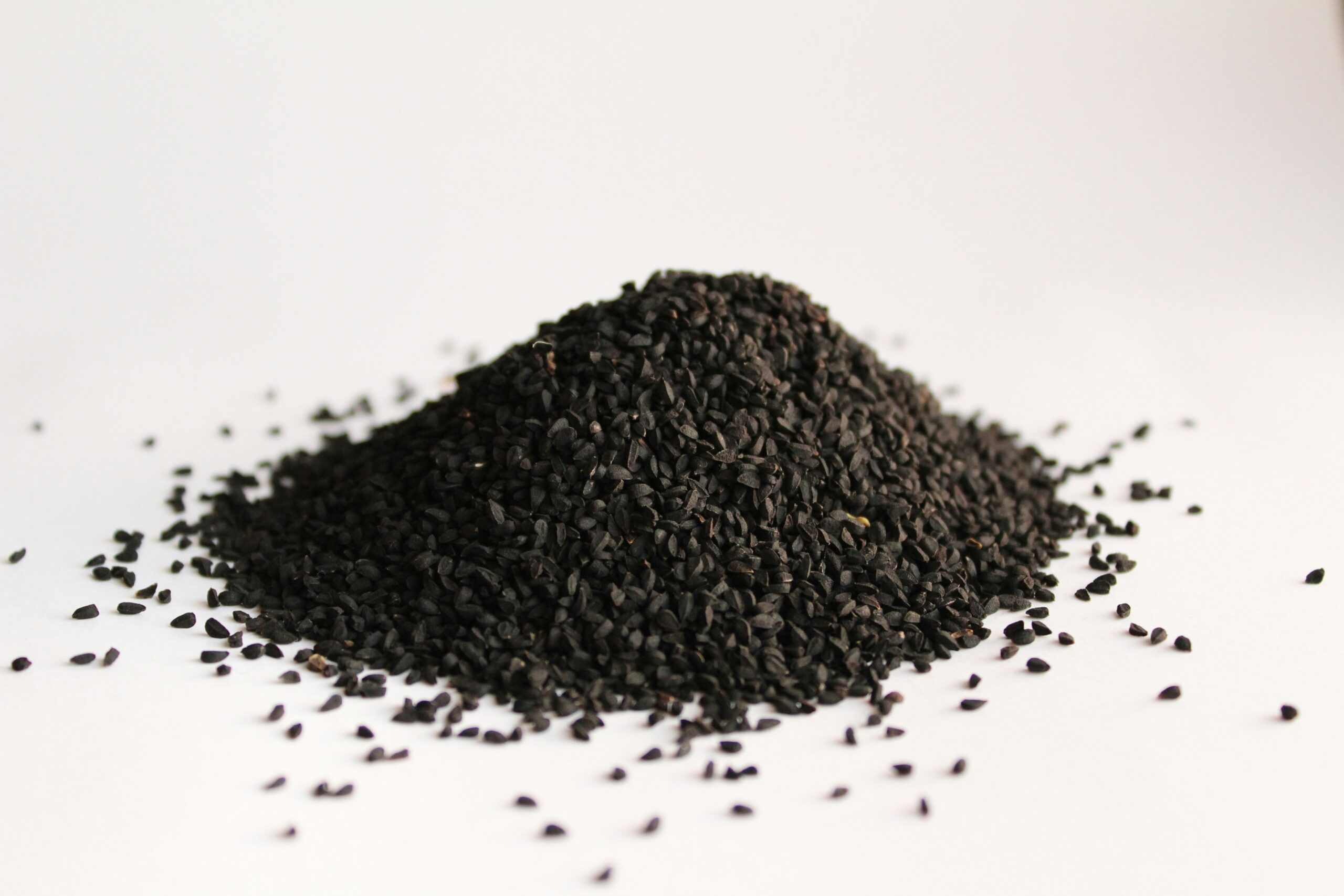
It looks almost too ordinary to attract serious scientific attention.
Black, slightly curved and intensely aromatic, black cumin seeds have been used in cooking and traditional medicine across parts of the Middle East, North Africa and South Asia for generations. Known scientifically as Nigella sativa, the seeds are also called black seed, kalonji or black caraway.
Today, however, this traditional ingredient has found a new audience.
Walk through a health-food store or scroll through social media and black seed oil is increasingly promoted for everything from immunity and inflammation to blood sugar and general longevity.
The reality is more interesting than the hype.
Scientists are studying Nigella sativa because it contains several biologically active compounds, particularly one called thymoquinone. Laboratory and human studies suggest that black cumin may influence inflammatory and metabolic pathways.
But there is an important line between “scientifically interesting” and “proven treatment.”
Black cumin has not been established as a cure for chronic disease, and research is still developing.
What Makes Black Cumin Interesting?
The scientific interest surrounding black cumin largely centers on its chemical composition.
The seeds contain volatile oils and other plant compounds, with thymoquinone receiving particular attention.
In laboratory research, thymoquinone has demonstrated antioxidant and anti-inflammatory activity. Researchers have investigated its effects on cellular signaling pathways involved in inflammation and oxidative stress.
That sounds impressive, but laboratory findings are only an early step.
A compound can produce a promising effect in isolated cells or animals and still fail to produce a meaningful benefit in humans.
That is why clinical trials matter.
Researchers need to determine whether the amounts people can safely consume actually produce measurable health benefits.
Inflammation: The Big Research Question
Inflammation is not inherently bad.
In fact, it is an essential part of the immune system. When you are injured or infected, inflammatory processes help your body respond.
The problem is prolonged, inappropriate inflammation, which is associated with numerous chronic health conditions.
Scientists have therefore become interested in compounds that may help regulate inflammatory signaling without simply shutting down the immune response.
Studies of thymoquinone have found effects on several molecular pathways involved in inflammation, including pathways associated with inflammatory cytokines and enzymes.
This is one reason black cumin continues to attract research interest.
But again, a biochemical effect does not automatically translate into a treatment for inflammatory disease.
Could It Affect Blood Sugar?
Metabolic health is another area where black cumin has generated interest.
Some clinical studies have reported modest improvements in measures such as blood glucose, insulin-related markers or blood lipids among people taking Nigella sativa preparations.
The findings, however, are not consistent enough to consider black cumin a replacement for established diabetes treatment.
There are also significant differences between studies.
Researchers may use different doses, extracts, oils or seed preparations. Participants may have different health conditions and dietary habits.
That makes it difficult to determine exactly how much black cumin would be needed to produce a reliable effect—or whether the effect is large enough to matter clinically.
For someone with diabetes or prediabetes, prescribed treatment, appropriate nutrition, physical activity and regular medical monitoring remain far more important than adding a supplement.
What About Cholesterol and Heart Health?
Some research has also explored whether black cumin could influence cholesterol and triglyceride levels.
There are plausible biological reasons for investigating this. Oxidative stress and inflammation are both involved in cardiovascular disease, and plant compounds with antioxidant or anti-inflammatory properties may influence some of these pathways.
Some small human studies have reported favorable changes in lipid measurements.
But cardiovascular health is much bigger than a single cholesterol number.
Blood pressure, smoking, physical activity, diet, blood glucose, genetics, sleep and overall cardiovascular risk all matter.
Taking black seed oil should therefore be viewed, at most, as one area of ongoing research—not as a substitute for proven cardiovascular prevention.
The Respiratory Connection
Black cumin has also been investigated in respiratory and allergy-related research.
Traditional uses have included preparations intended to ease respiratory discomfort, while modern studies have examined whether Nigella sativa compounds may influence airway inflammation or allergic responses.
Some small clinical studies have reported potential benefits in certain respiratory conditions.
But the evidence remains preliminary, and black cumin should not replace prescribed inhalers, allergy treatment or emergency care.
Someone experiencing significant breathing difficulty needs appropriate medical attention, regardless of whether they use herbal products.
Why “Natural” Doesn’t Automatically Mean Safe
One of the biggest misunderstandings surrounding herbal supplements is the assumption that natural products cannot cause problems.
They can.
Black cumin used as a culinary spice is generally considered different from concentrated oils or supplements.
Higher-dose preparations may have stronger biological effects—and potentially stronger side effects or interactions.
Black seed products may interact with medications, including some medicines that affect blood pressure or blood clotting. People taking regular medication should therefore speak with a healthcare professional before using concentrated black seed supplements.
Pregnancy is another situation requiring caution. Concentrated medicinal amounts should not be used without medical guidance.
And supplement quality can vary considerably.
The amount of active compounds in a product may depend on the plant variety, growing conditions, processing methods, storage and extraction technique.
A bottle labeled “black seed oil” therefore does not necessarily contain the same chemical profile as another product.
Seeds, Oil or Capsules?
For most people interested in black cumin simply as a food, using the whole seeds in cooking is the simplest approach.
Their distinctive flavor works well with breads, vegetables, curries, soups and other dishes.
Using the spice as part of a varied diet is very different from taking concentrated extracts.
If you are considering capsules or black seed oil specifically for a health condition, it is worth discussing the product with a healthcare professional first.
There is no universally established supplement dose that can be recommended for every person or every health goal.
Don’t Let the Hype Get Ahead of the Evidence
Black cumin is a perfect example of why health science is rarely as simple as “ancient remedy proven by modern medicine.”
Traditional use can provide scientists with valuable clues about plants worth investigating.
But modern research still has to answer the difficult questions.
Does it work consistently?
At what dose?
For which people?
For which conditions?
How long should it be used?
What are the risks?
And does the benefit actually matter enough to change someone’s health outcome?
Those questions require well-designed human studies.
A Tiny Seed With a Big Research Future
The scientific interest in Nigella sativa is justified.
Its active compounds, particularly thymoquinone, have demonstrated intriguing biological properties in laboratory research, and some human studies suggest possible benefits involving metabolic health, inflammation and other conditions.
But “promising” is not the same as “proven.”
Black cumin should be appreciated for what the evidence currently supports: a traditional food and botanical with genuinely interesting biological compounds that researchers are continuing to investigate.
It may eventually become part of evidence-based treatments for specific conditions.
For now, however, the smartest approach is neither to dismiss it nor to treat it as a miracle.
Sometimes the most exciting scientific stories are the ones that are still unfolding