

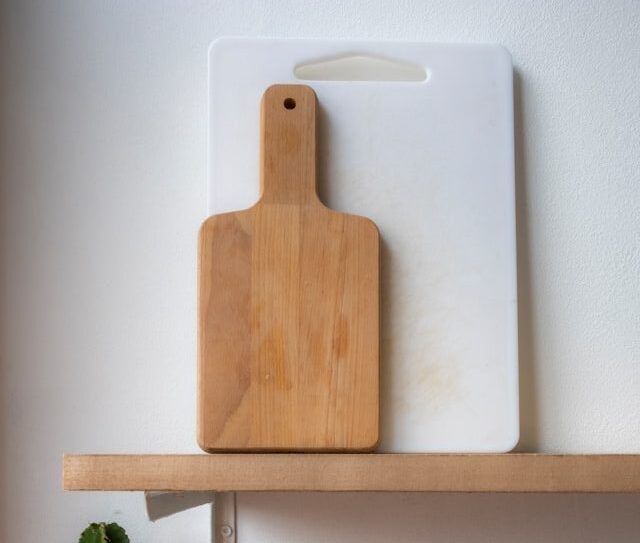
Choosing between a wooden and plastic cutting board has long been a kitchen debate. Many people assume plastic is the safer option because it can be cleaned in the dishwasher, while wood is often viewed as more likely to trap bacteria.
However, research suggests the answer is more nuanced. The safety of a cutting board depends not only on the material, but also on its condition, cleaning, and maintenance.
Why Worn Plastic Boards Can Become a Concern
Plastic cutting boards start with smooth, nonporous surfaces that are easy to clean. Over time, however, repeated knife use creates small grooves and scratches.
These cuts can:
- Trap food particles and moisture.
- Make thorough cleaning more difficult.
- Increase the chances of bacteria remaining on the surface if the board becomes heavily worn.
For this reason, food safety experts recommend replacing plastic cutting boards once they develop deep knife marks that can no longer be cleaned effectively.
How Wooden Boards Compare
Research has found that hardwood cutting boards can also be a safe choice when properly maintained.
Some studies suggest certain hardwoods may reduce the survival of bacteria on their surfaces, although scientists continue to study the exact reasons. Proper cleaning and allowing wooden boards to dry completely remain important parts of safe use.
Unlike plastic, wooden boards should generally be hand-washed rather than placed in a dishwasher, as excessive moisture and heat can damage the wood.
Good Hygiene Matters Most
Whether you choose wood or plastic, safe food preparation habits are the biggest factor in reducing foodborne illness.
Consider these best practices:
- Wash cutting boards with hot, soapy water after each use.
- Let boards dry completely before storing.
- Replace plastic boards with deep grooves or cracks.
- Regularly oil wooden boards with food-grade mineral oil to help prevent drying and cracking.
- Use separate cutting boards for raw meat and ready-to-eat foods to reduce cross-contamination.
Both wooden and plastic cutting boards can be safe when properly cleaned and maintained. Plastic boards are convenient and dishwasher-safe but should be replaced once they become heavily scarred. Wooden boards require a little more care but remain a popular and durable option for many home kitchens.
Rather than focusing only on the material, food safety experts emphasize regular cleaning, proper maintenance, and replacing damaged boards when needed. These simple habits can make a bigger difference than the type of cutting board alone.