

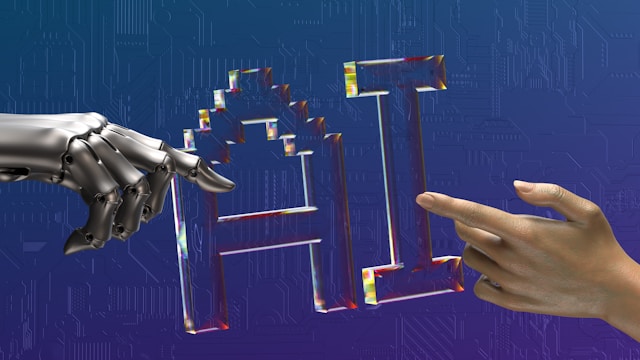
Artificial intelligence is evolving at a remarkable pace. New tools can write reports, summarize research, generate images, and assist with coding—all in a matter of seconds.
While much of the public conversation focuses on how AI might reshape jobs and industries, psychologists and workplace experts are also examining another question: How does rapid technological change affect our mental well-being?
Although AI offers exciting opportunities, adapting to constant innovation can feel demanding for many people.
Why Rapid Change Can Feel Mentally Draining
Throughout history, people have adapted to new technologies—from the printing press to the internet. AI represents another major shift, but its rapid development has made the transition feel especially fast.
For many workers, students, and professionals, keeping up with new tools, workflows, and expectations can contribute to feelings of uncertainty or information overload.
Researchers note that people generally adjust best when change is introduced gradually and accompanied by clear guidance and support.
Technology Moves Quickly—People Learn Differently
Unlike software, people need time to learn new skills, build confidence, and adapt to changing routines.
| Technology | People |
|---|---|
| Can be updated rapidly | Learn through experience and practice |
| Processes large amounts of information quickly | Need time for focus, rest, and recovery |
| Operates continuously | Benefit from breaks and healthy routines |
This difference doesn’t mean people can’t adapt—it highlights the importance of allowing time for learning and adjustment.
Balancing Opportunity and Uncertainty
AI is already helping individuals and organizations in many ways, including:
- Automating repetitive tasks
- Assisting with research and writing
- Supporting data analysis
- Improving accessibility tools
- Helping generate creative ideas
At the same time, some people may feel concerned about changing job requirements or the need to continually learn new technologies.
Experts suggest that acknowledging these feelings while focusing on skill development can make the transition more manageable.
Supporting Mental Well-Being in a Fast-Changing World
As AI becomes more integrated into everyday life, maintaining healthy habits remains just as important as learning new technology.
Simple strategies include:
- Taking regular breaks from screens.
- Setting realistic expectations for productivity.
- Making time for hobbies and offline activities.
- Staying connected with family, friends, and colleagues.
- Viewing learning as an ongoing process rather than a race.
Creating healthy boundaries around work and technology can help reduce feelings of constant pressure.
Looking Ahead
Artificial intelligence will likely continue to transform many aspects of daily life, from education to healthcare to the workplace.
While technology may continue to advance rapidly, experts emphasize that successful adaptation isn’t about matching the speed of machines—it’s about helping people learn, grow, and use new tools in ways that support both productivity and well-being.
The Bottom Line: AI presents both opportunities and challenges. By combining thoughtful technology adoption with healthy work habits and realistic expectations, individuals and organizations can better navigate a rapidly changing digital landscape while supporting long-term mental well-being.