

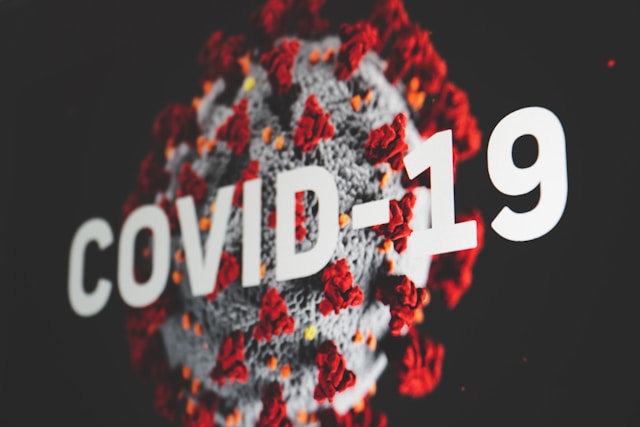
COVID-19 continues to evolve, and health experts are keeping an eye on a newer Omicron subvariant known as BA.3.2.
Nicknamed “Cicada” by some researchers because it remained uncommon before becoming more noticeable, BA.3.2 has now been detected in multiple U.S. states and several countries. The World Health Organization (WHO) currently classifies it as a Variant Under Monitoring, meaning scientists are studying it closely—but it is not considered a Variant of Concern.
Here’s what current research says.
Why Scientists Are Watching BA.3.2
Like all viruses, SARS-CoV-2 changes over time through mutations.
BA.3.2 has attracted attention because it carries dozens of changes in its spike protein, the part of the virus that attaches to human cells. Researchers are studying whether these mutations help the virus partially evade existing antibodies from prior infection or vaccination.
However, having more mutations does not automatically mean a variant is more dangerous.
Scientists continue to evaluate how these genetic changes affect transmission and immunity.
Where Has It Been Found?
BA.3.2 was first identified in South Africa in late 2024 before gradually appearing in additional countries.
Health authorities have since detected the variant in:
- Multiple U.S. states
- Puerto Rico
- Several European countries
- Other regions through genomic surveillance and wastewater monitoring
Even so, BA.3.2 still represents a relatively small share of reported COVID-19 cases in many areas.
Does It Cause More Severe Illness?
Based on current evidence, there is no indication that BA.3.2 causes more severe disease than other recent Omicron variants.
Experts report that symptoms appear similar to those seen with other circulating strains, including:
- Sore throat
- Runny or stuffy nose
- Cough
- Fatigue
- Fever
- Headache
- Muscle aches
As with previous variants, older adults, people with weakened immune systems, and those with certain medical conditions remain at higher risk for severe illness.
Do Current Vaccines Still Help?
Researchers are continuing to study exactly how BA.3.2 responds to existing immunity.
Although the variant may reduce the effectiveness of some neutralizing antibodies, experts say current vaccines are still expected to provide important protection against severe illness, hospitalization, and death, thanks in part to broader immune responses such as T-cell immunity.
Staying up to date with recommended vaccinations remains one of the best ways to reduce the risk of serious COVID-19 outcomes.
Should You Change Your Routine?
For most people, health experts are not recommending major lifestyle changes because of BA.3.2 alone.
Instead, they continue to advise familiar precautions:
- Stay home if you’re sick.
- Wash your hands regularly.
- Consider wearing a mask in crowded indoor settings if you’re at higher risk.
- Stay current with recommended COVID-19 vaccinations.
- Follow guidance from local public health authorities.
These recommendations remain effective regardless of which Omicron subvariant is circulating.
BA.3.2 is another reminder that COVID-19 continues to evolve, and scientists will keep monitoring new variants as they emerge.
At this time, health authorities consider BA.3.2 a variant worth watching—not a cause for panic. While researchers continue studying its mutations and spread, there is currently no evidence that it causes more severe illness than other circulating Omicron variants.
As always, staying informed through reliable public health sources and maintaining healthy habits remains the best approach as the virus continues to change.
Photo by Martin Sanchez on Unsplash