

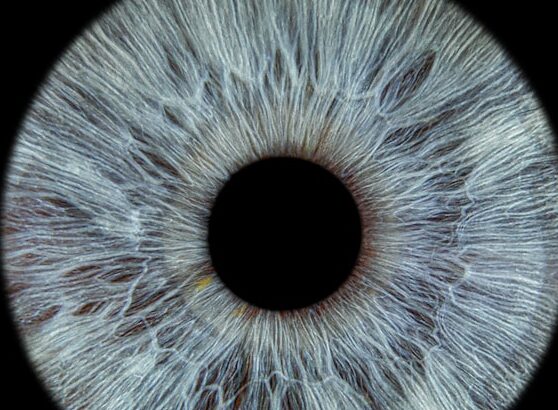
Our eyes can sometimes reflect changes happening elsewhere in the body. During a routine glance in the mirror, some people notice a faint white, gray, or bluish ring around the edge of the colored part of the eye (the iris).
This condition is known as arcus senilis (or corneal arcus), and while it is often harmless, its significance can vary depending on a person’s age and overall health.
What Is Arcus Senilis?
Arcus senilis is a gray, white, or bluish ring that forms around the outer edge of the cornea—the clear front surface of the eye.
The ring develops when small amounts of lipids, including cholesterol, are deposited within the cornea over time. Because these deposits occur in the clear tissue surrounding the iris, they create a visible circular border.
Importantly, the condition itself typically:
- Does not affect vision
- Does not cause pain or discomfort
- Usually requires no treatment for the eye itself
Many people discover it during a routine eye examination.
When Age Makes a Difference
For older adults, corneal arcus is very common.
As people age, changes in the body’s tissues can make these deposits more likely to develop, even when cholesterol levels are within a healthy range. In many individuals over age 60, it is considered a normal age-related finding.
For younger adults, however, the situation may be different.
If corneal arcus appears before about age 50–60—especially in people under 40—it may be associated with elevated cholesterol levels or inherited lipid disorders such as familial hypercholesterolemia. While the ring itself does not diagnose these conditions, it can serve as a reason to discuss cardiovascular risk factors with a healthcare professional.
Should You Be Concerned?
Finding a gray ring around your iris does not automatically mean you have heart disease or high cholesterol.
However, if you are younger and notice this change—or if you have a family history of high cholesterol or early heart disease—it may be worthwhile to schedule a medical evaluation.
A healthcare provider may recommend:
- A cholesterol (lipid) blood test
- A review of your family medical history
- An assessment of other cardiovascular risk factors
- Lifestyle recommendations, if appropriate
Early evaluation can help identify conditions that may benefit from monitoring or treatment.
Protecting Your Heart and Eye Health
Maintaining healthy cholesterol levels supports overall cardiovascular health. General recommendations include:
- Eating a balanced diet rich in fruits, vegetables, whole grains, and healthy fats
- Staying physically active
- Avoiding tobacco products
- Managing blood pressure and blood sugar
- Following your healthcare provider’s recommendations for regular health screenings
Routine eye examinations can also identify changes that may warrant additional medical evaluation.
A gray or white ring around the iris is often a harmless part of aging, but in younger adults it can sometimes be associated with elevated cholesterol or inherited lipid disorders.
If you notice a new ring around your eye—particularly if you’re under 60 or have a family history of cardiovascular disease—it’s a good idea to mention it during your next medical or eye examination. A simple evaluation can provide reassurance or help identify potential health concerns early.
Photo by Anastasiya Badun on Unsplash