

A senior humanitarian nurse from Médecins Sans Frontières (MSF) recently issued a sobering warning: the ongoing Ebola outbreak in Central Africa is creating enormous operational challenges for medical teams on the ground. Kate White, a program manager preparing to deploy to the Democratic Republic of Congo, highlighted serious difficulties in getting enough resources, staff, and support to contain the virus effectively.
This isn’t just another headline. When experienced frontline workers express deep concern, it’s worth paying attention — not out of panic, but with calm awareness.
Current Situation (as of May 2026)
The outbreak, centered in parts of the Democratic Republic of Congo and affecting neighboring areas, has already claimed the lives of Red Cross volunteers and other healthcare workers. Ebola spreads through direct contact with bodily fluids, making it particularly dangerous in regions with limited medical infrastructure.
While the risk to people in the United States and most Western countries remains very low, global health organizations have raised the alert level because of how quickly this virus can overwhelm local systems when resources are stretched thin.
Why This Outbreak Feels Different
Experienced aid workers like Kate White point to systemic issues: delayed funding, logistical bottlenecks, and the dangerous conditions healthcare teams face when managing both patients and safe burial practices. These challenges increase the chance of wider spread if not addressed quickly.
This situation reminds us of an important truth: strong public health systems and rapid response capabilities matter — whether for common illnesses or rare outbreaks.
Practical Ways to Support Your Immune Health Right Now
While we’re not facing immediate risk here in the US, moments like this are excellent opportunities to strengthen your body’s natural defenses:
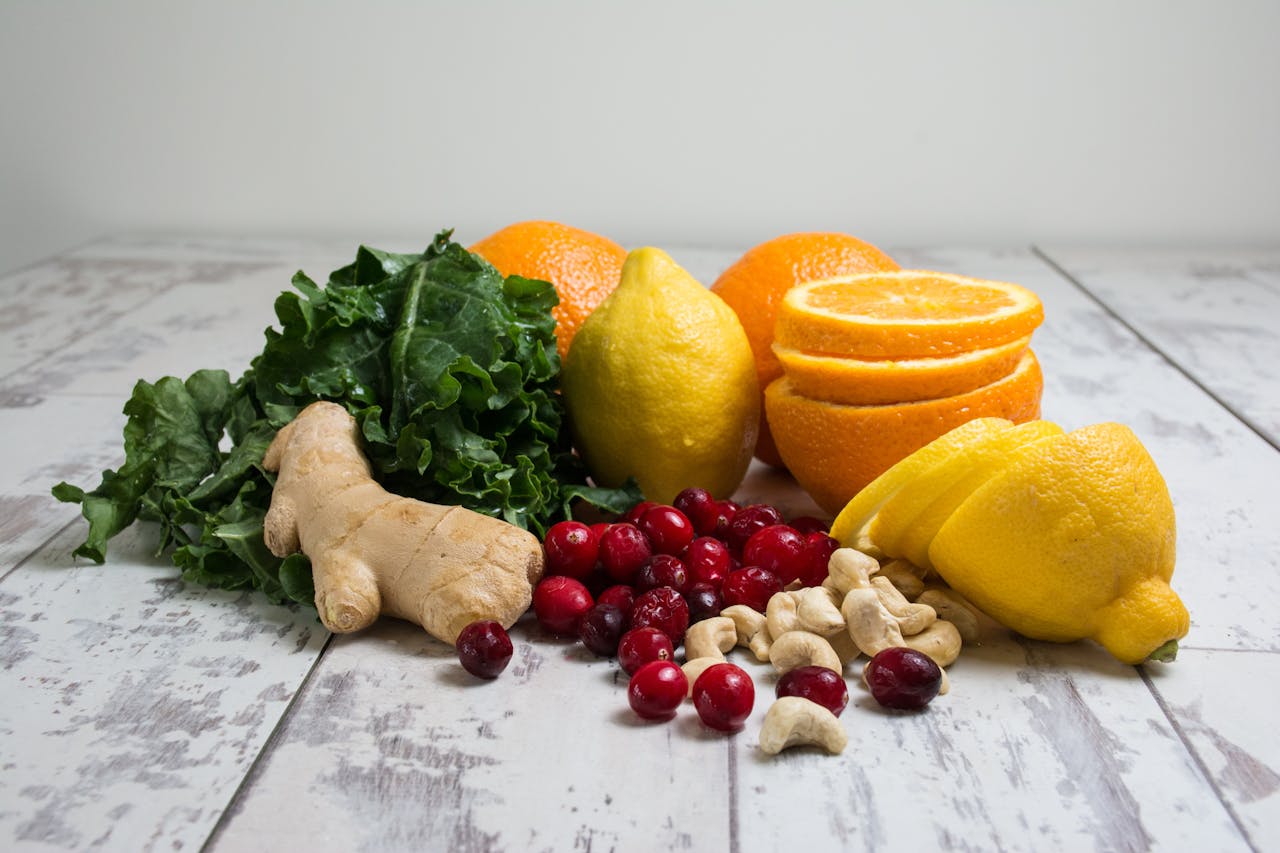
- Focus on immune-supporting nutrition — Prioritize foods rich in vitamins C, D, zinc, and antioxidants: citrus fruits, berries, leafy greens, garlic, ginger, turmeric, pumpkin seeds, and high-quality protein.
- Prioritize consistent sleep — Your immune system repairs and strengthens during deep sleep. Aim for 7–9 hours in a cool, dark room.
- Manage stress effectively — Chronic stress weakens immune response. Daily practices like walking outdoors, breathwork, or meditation can make a measurable difference.
- Stay hydrated and move daily — Good circulation and hydration support your body’s natural detoxification and defense systems.
- Practice smart everyday hygiene — Thorough handwashing remains one of the most effective habits, especially after being in public spaces or traveling.
These aren’t dramatic measures — they’re foundational habits that improve your resilience against all kinds of health stressors, not just Ebola.
Watch this BBC News report featuring the MSF nurse’s on-the-ground perspective:
Our Perspective at HealandNourish
We believe the best defense is a strong, well-nourished body combined with calm, informed awareness. Fear doesn’t help your immune system — thoughtful preparation does. While we monitor global health developments, our focus remains on daily nourishment and building long-term resilience.
If you have underlying health conditions or travel plans, always consult your healthcare provider for personalized advice.
How do you stay grounded when global health news feels concerning? What’s one nourishing habit you’re focusing on right now? Share your thoughts in the comments below. Forward this to friends or family who appreciate balanced, practical information, and subscribe for more trustworthy guidance on natural wellness.