

The Nutrition Changes That Matter More After 60
As the body changes with age, getting enough protein, fluids and nourishing foods can become just as important as how much we eat.
Aging can change appetite, thirst and muscle health. Small nutrition adjustments—especially around protein, hydration and meal quality—can help older adults support strength, energy and independence.
Getting older does not mean giving up the foods you enjoy or following a complicated diet. But it does mean that the body may respond differently to food than it did decades earlier.
After 60, changes in appetite, muscle mass, activity levels, digestion and thirst can make it easier to eat less than the body needs. For some people, this can gradually lead to inadequate protein, dehydration or unintended weight and muscle loss.
That is why nutrition in later life is less about chasing a perfect diet and more about making everyday meals count.
Protein Becomes Especially Important
One of the biggest nutrition concerns associated with aging is the gradual loss of muscle mass and strength, often referred to as sarcopenia.
Muscle is important for much more than appearance. It supports walking, balance, getting up from a chair, carrying groceries and maintaining independence. Adequate protein, combined with physical activity such as resistance exercise, can help support muscle maintenance.
Instead of trying to eat one very large protein-heavy meal, it can be useful to include a source of protein at regular meals.
That might mean eggs or yogurt at breakfast, beans or lentils with lunch, and fish, poultry, tofu or another protein source at dinner.
Plant foods can contribute too. Beans, lentils, peas, nuts and seeds provide protein along with other nutrients and fiber.
For someone who has a poor appetite, difficulty chewing or swallowing, or significant unintentional weight loss, simply being told to “eat more protein” may not be enough. A doctor or registered dietitian can help identify a practical approach.
Hydration Can Become Easier to Forget
Thirst is not always a reliable reminder to drink as people get older. Certain medications, illnesses, mobility limitations and simply forgetting to drink can also increase the risk of inadequate fluid intake.
Dehydration can contribute to symptoms such as tiredness, dizziness and confusion, and it can become particularly concerning during hot weather or periods of illness.
The solution does not have to be complicated. Keeping water nearby and drinking regularly throughout the day can make hydration easier to remember.
Water is not the only source of fluid. Milk, soups, yogurt, fruits and vegetables can also contribute to overall fluid intake.
However, people with conditions such as heart failure or certain kidney problems may have individualized fluid recommendations. In those situations, drinking more is not automatically better, and medical advice should take priority.
Smaller Meals May Be Easier for Some People
Appetite can change with age. Some older adults simply do not feel as hungry as they once did, while others may become full quickly.
When large meals feel uncomfortable or unappealing, smaller meals and nutritious snacks may be easier to manage.
The goal is not to eat constantly. It is to make sure the food being eaten provides useful nutrition.
A small meal containing yogurt and fruit, for example, may provide more nutritional value than skipping breakfast altogether. A bowl of lentil soup with vegetables can offer protein, fiber and several micronutrients without requiring a large portion.
For someone struggling to maintain weight, smaller meals can also provide opportunities to add nutrient-dense foods throughout the day.
Calories Are Not a One-Size-Fits-All Issue
It is tempting to assume that everyone needs fewer calories with age because activity levels may decline. But that picture is incomplete.
Some older adults remain highly active and have substantial nutritional needs. Others may lose their appetite and unintentionally consume too little. Chronic illness, dental problems, medication side effects and difficulty preparing meals can all affect food intake.
This is why intentional weight loss should not automatically be considered a health goal for every older adult.
Unexplained weight loss, persistent weakness or a noticeable decline in appetite deserves attention. These changes can sometimes be related to an underlying medical problem rather than simply “normal aging.”
Focus on Nutrient-Dense Foods
As appetite decreases, food quality becomes increasingly important.
Meals can be built around vegetables and fruits, whole grains, beans and lentils, nuts and seeds, dairy or fortified alternatives, and appropriate sources of protein.
This approach provides a broad mix of vitamins, minerals, fiber and other nutrients without requiring complicated meal plans.
There is also no single “senior diet.” Cultural preferences, budget, cooking ability, dental health, medical conditions and personal taste all matter.
Someone managing diabetes, kidney disease, high blood pressure or another chronic condition may need different dietary guidance than another person of the same age.
Eating Well Is Part of Staying Independent
Good nutrition is not simply about preventing deficiencies. It can support the things people often care about most as they age: having enough energy to participate in daily life, maintaining strength, and staying independent.
Food also works alongside movement. Adequate protein and overall nutrition are most useful when combined with appropriate physical activity, including muscle-strengthening and balance exercises when medically suitable.
The most effective changes are often surprisingly ordinary: adding a protein source to breakfast, keeping water within reach, choosing nutrient-rich snacks and avoiding long stretches without eating when appetite is poor.
There is no need to overhaul everything at once.
For adults over 60, healthy nutrition is less about eating perfectly and more about consistently giving the body the nutrients and fluids it needs to stay strong, active and well nourished.
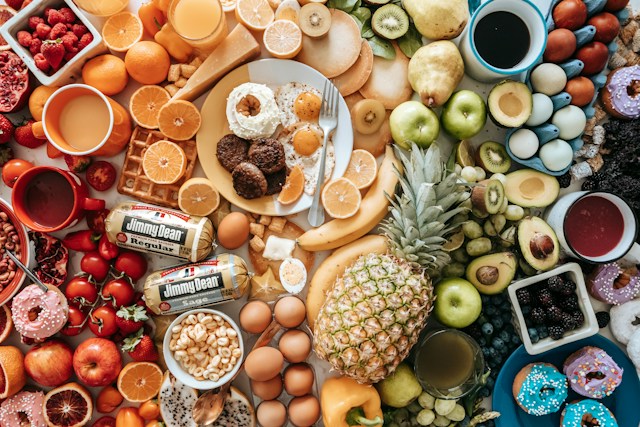
Photo by Jimmy Dean on Unsplash