

The simple movement that can strengthen your heart, support your brain, improve sleep and help you stay independent as you age
Aerobic exercise does far more than burn calories. From brisk walking and cycling to swimming and dancing, regular cardio can support heart health, mental well-being, blood sugar control, sleep and healthy aging.
There is a reason doctors keep coming back to one piece of health advice: move your body.
It does not have to mean running a marathon or spending hours in a gym. Aerobic exercise can be as simple as taking a brisk walk around the neighborhood, cycling to the store, swimming, dancing or joining a water-aerobics class.
What these activities have in common is that they make the heart and lungs work harder for a sustained period. And according to current health guidance, that regular movement can have benefits that reach far beyond fitness.
The World Health Organization recommends that adults get 150 to 300 minutes of moderate-intensity aerobic activity each week, or 75 to 150 minutes of vigorous activity, or an equivalent combination. Adults should also include muscle-strengthening activities at least two days a week.
The important part is that you do not have to accomplish it all at once.
Your heart gets stronger with regular movement
Aerobic activity gives the cardiovascular system a reason to adapt.
With regular exercise, the heart becomes better equipped to circulate blood, while physical activity can help lower the risk of cardiovascular disease, stroke and high blood pressure. The American Heart Association describes endurance exercise as an important way to keep the heart, lungs and circulatory system healthy.
This matters particularly as we get older, when protecting cardiovascular health becomes an increasingly important part of maintaining independence.
A daily walk may not feel like a medical treatment, but over months and years, consistent movement can become one of the most practical forms of preventive health care.
Aerobic exercise can help your brain, too
The connection between physical activity and brain health has become an increasingly important area of research.
Current CDC guidance notes that physical activity can help people maintain thinking, learning and judgment skills as they age. Regular activity is also associated with a lower risk of depression and anxiety.
There is an immediate benefit, too. Even a session of moderate-to-vigorous physical activity can reduce short-term feelings of anxiety in adults.
That does not mean exercise replaces professional treatment for depression or anxiety. But movement can be one useful part of a broader approach to mental health.
It can make everyday life easier
One of the most overlooked benefits of aerobic fitness is what happens outside the workout.
Better endurance can make ordinary activities—walking up stairs, shopping, gardening, carrying groceries or keeping up with family—feel less exhausting.
For older adults, this has an important connection to independence. CDC guidance says regular physical activity can help older adults maintain quality of life and live independently for longer.
Fitness is therefore not simply about performance. It is also about having enough energy and physical capacity to participate in everyday life.
Blood sugar and metabolic health matter, too
Physical activity is also closely connected with metabolic health.
Regular movement can help prevent and manage type 2 diabetes and is associated with healthier cardiovascular and metabolic function. WHO identifies physical activity as an important tool for preventing and managing chronic diseases, including cardiovascular disease and type 2 diabetes.
For someone spending much of the day sitting, adding movement throughout the day can be meaningful even if it does not look like a traditional workout.
That is an important shift in thinking: exercise does not have to be perfect to be useful.
Better sleep may be another reward
If you struggle with sleep, physical activity may be worth considering as part of your overall routine.
CDC guidance lists improved sleep among the immediate health benefits associated with physical activity, while regular activity is also linked with broader improvements in health and well-being.
The goal is not to exercise until you are exhausted. Consistency matters more than turning every workout into a demanding session.
What about immune health?
It is tempting to describe exercise as a way to “boost” the immune system, but the science is more nuanced than that phrase suggests.
A better way to think about it is that regular physical activity supports overall health and is associated with a lower risk of several chronic diseases. That broader improvement in health is one reason movement remains such an important part of preventive care.
There is no need to chase extreme workouts in the hope of becoming healthier.
You do not have to start big
For someone who has been inactive, the idea of reaching 150 minutes a week can sound intimidating.
It does not need to happen overnight.
The CDC emphasizes that some physical activity is better than none, and activity can be divided into manageable portions.
Start with something realistic. A short walk after dinner. A few extra trips up the stairs. Cycling instead of driving when practical. Swimming once or twice a week. Dancing to music at home.
As your fitness improves, you can gradually increase the duration or intensity.
Older adults should also include strength and balance activities. CDC recommendations for adults 65 and older call for aerobic activity alongside muscle strengthening and balance exercises.
And if a health condition makes exercise difficult, the goal should be adapted to the person’s abilities rather than abandoned altogether.
The bigger picture
Aerobic exercise is not a magic cure, and more exercise is not always better for every individual.
Its real value is much simpler: regular movement helps the body keep doing what it was designed to do.
A stronger cardiovascular system, better endurance, improved sleep, support for mental health and greater independence can all add up to a healthier life.
You do not need the perfect workout. You need a form of movement you can realistically keep doing.
For many people, that may begin with something wonderfully ordinary: putting on comfortable shoes and going for a walk.
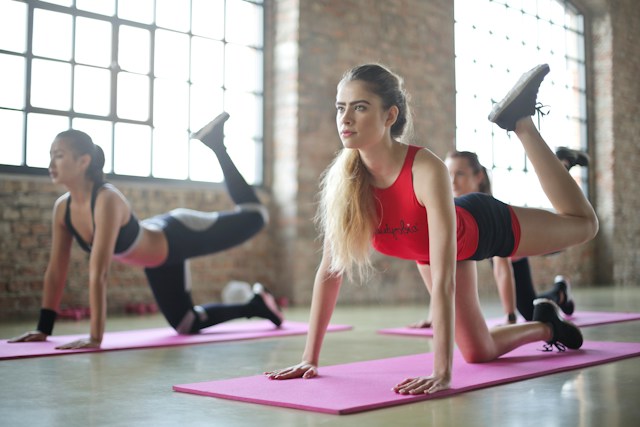
Photo by bruce mars on Unsplash