
The beginning of a school year usually brings a comforting sense of routine. Children return with new backpacks, teachers prepare fresh lessons, and grandparents once again hear about homework, lunchrooms and playground adventures.
That routine can change quickly when respiratory illnesses begin moving through a community.
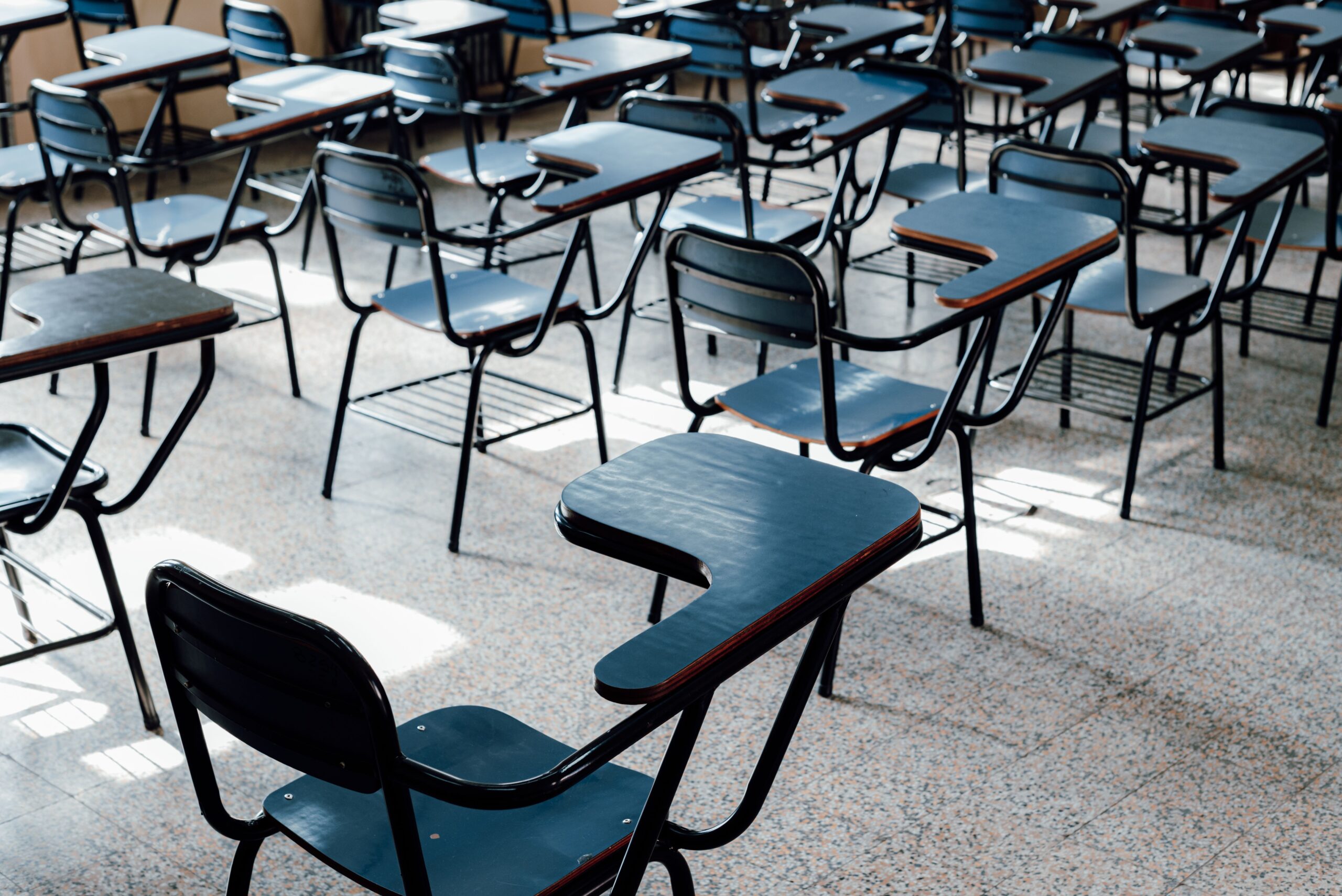
Recent temporary school disruptions in parts of the United States have once again put COVID-19 on the public-health radar. For families who remember the disruption of the pandemic, an empty classroom can feel like an unsettling image.
But there is an important point to remember: a local school closure does not mean the United States is returning to the conditions of 2020.
COVID-19 has changed, public immunity has changed and medical treatment has improved. Yet the virus continues to circulate, and infections can still disrupt schools, workplaces and family life.
For older adults, the story deserves particular attention—not because they need to live in fear, but because age remains an important factor in the risk of severe respiratory illness.
HL: Why COVID-19 Can Still Disrupt a School
Schools create exactly the kind of environment in which respiratory viruses can spread.
Hundreds of students and staff may spend hours together indoors. Children move between classrooms, buses, sports activities and social groups before returning home to their families.
When illness levels rise, absenteeism can quickly become a practical problem.
A school may struggle to maintain normal staffing. Parents may suddenly need childcare. Teachers may have to rearrange lessons. Families may postpone visits with older relatives.
That is why a temporary closure can sometimes be a local operational decision rather than evidence of a national health emergency.
The distinction matters.
COVID-19 is still with us, but today’s public-health challenge is largely about managing ongoing transmission and protecting people at higher risk.
HL: The Part Older Adults Should Pay Attention To
For grandparents, COVID-19 is not simply a story about children missing school.
Children often interact with several generations within the same family. A child can become infected at school and later spend time with parents, grandparents or other relatives.
Older adults are more likely than younger people to experience serious complications from COVID-19, particularly when they also have certain chronic health conditions.
That does not mean older adults should avoid grandchildren.
Quite the opposite: maintaining family connections remains important for emotional and social wellbeing.
The goal is simply to make those connections safer when respiratory illnesses are circulating.
If a grandchild is clearly unwell, postponing a close indoor visit for a few days may be a sensible precaution. Families can also pay attention to local illness levels and follow current recommendations from healthcare professionals.
These are ordinary precautions—not a return to lockdown life.
HL: Why Clean Air Matters Inside Classrooms
One of the most important lessons from the pandemic is that respiratory viruses can spread through the air.
That makes indoor ventilation an important part of infection control.
Opening windows when practical, maintaining heating and ventilation systems and using appropriately sized portable air cleaners can improve indoor air quality.
Schools do not need to create sterile environments.
A classroom can never be completely free of viruses. The practical goal is to reduce the concentration of potentially infectious particles in the air while keeping the room comfortable and functional.
This approach also has benefits beyond COVID-19.
Better indoor air quality can support a healthier learning environment during seasons when multiple respiratory viruses are circulating.
HL: Why “Deep Cleaning” Isn’t the Whole Answer
During the early pandemic, disinfecting desks, door handles and other surfaces became almost symbolic of COVID-19 prevention.
Cleaning remains important. Schools should maintain normal hygiene and sanitation practices, particularly because many infections can spread through contaminated hands or surfaces.
But respiratory viruses such as SARS-CoV-2 are primarily a concern because infected people can release infectious particles into shared air.
That means cleaning desks alone cannot solve an airborne respiratory outbreak.
A more balanced approach combines ordinary cleaning with ventilation, filtration, staying home when sick and appropriate vaccination.
No single measure needs to carry the entire burden.
HL: The Return-to-School Question Parents Often Face
One of the most difficult decisions for parents is knowing when a sick child is ready to return to school.
A child with a significant respiratory illness should generally be allowed to recover at home rather than being pushed through a school day.
Families should follow their school’s current illness and return policies and seek medical advice when symptoms are concerning.
This is particularly important in households that include older adults or people with weakened immune systems.
A few days of caution can sometimes prevent an entire family from becoming sick.
It can also reduce the pressure placed on teachers and classmates.
HL: Vaccination Still Has a Role—But So Does Good Judgment
COVID-19 vaccination remains one of the tools healthcare professionals use to reduce the risk of serious disease.
Recommendations can change as the virus evolves, so people should rely on current guidance from health authorities and their own healthcare professionals rather than old social-media posts or advice from previous pandemic years.
For older adults, this conversation is particularly worthwhile.
Someone in their 70s or 80s may have very different health considerations from a healthy younger adult. Existing heart, lung, kidney or immune-system conditions can also influence individual risk.
Rather than asking, “Do I need to be afraid of COVID again?” a better question is:
“What does my current health profile mean for my risk, and what protection is appropriate for me?”
That is a conversation worth having with a doctor.
HL: Don’t Forget That COVID-19 Isn’t the Only Virus
Another important change in the post-pandemic era is that COVID-19 is now sharing attention with other respiratory illnesses.
Influenza, RSV and several other viruses circulate during respiratory-virus seasons. Their symptoms can overlap, making it difficult to identify the cause based on symptoms alone.
For older adults, this matters because several respiratory infections can become serious.
A cough or fever should not automatically be assumed to be COVID-19—and neither should COVID-19 be dismissed simply because another virus is circulating.
When symptoms are severe, worsening or unusual, professional medical advice is more useful than guessing.
HL: What Families Can Do This Autumn
The good news is that protecting one another does not require extreme measures.
Families can focus on a few practical habits:
Stay home when genuinely sick.
Avoid sending children or adults into crowded settings when they are clearly unwell.
Improve indoor air.
Use ventilation and filtration where practical, particularly in crowded indoor spaces.
Protect vulnerable relatives.
Consider postponing close contact when someone in the household has an active respiratory illness.
Keep vaccinations current.
Ask a healthcare professional which vaccines are recommended based on age and individual health circumstances.
Pay attention to warning signs.
Breathing difficulty, chest pain, confusion, severe weakness or rapidly worsening symptoms warrant prompt medical attention.
These steps are simple, but they can make family gatherings and everyday routines more comfortable during respiratory-virus season.
HL: Empty Classrooms Don’t Tell the Whole Story
An empty classroom can be an emotionally powerful image.
For anyone who lived through the early pandemic, rows of vacant desks may immediately bring back memories of uncertainty, cancelled plans and isolation.
But today’s reality is more complicated.
COVID-19 remains a circulating respiratory virus. It can still cause severe illness, particularly among older and medically vulnerable people. It can also temporarily disrupt schools and families.
At the same time, a local closure should not automatically be interpreted as evidence of another nationwide emergency.
The better lesson is one of preparedness.
Schools can invest in healthier indoor air. Parents can keep sick children home. Older adults can discuss their individual risk with healthcare professionals. Families can stay connected while making sensible adjustments when someone becomes ill.
We do not have to choose between ignoring COVID-19 and being frightened by it.
There is a middle ground: pay attention, use the tools that work, protect people at higher risk and keep living normally whenever it is safe to do so.
That may be one of the most important lessons the empty desks of autumn have to teach us.
Photo by Alex Dos Santos: https://www.pexels.com/photo/empty-classroom-desks-in-buenos-aires-university-setting-37822424/