

We tend to think about brain health in dramatic terms.
We worry about forgetting names, losing concentration, struggling to find the right word, or noticing that we don’t remember things as easily as we once did. For many older adults, these small changes can be unsettling because they raise a much bigger question:
What can I actually do to protect my brain as I age?
The answer isn’t likely to be found in one miracle supplement or a single “brain food.”
But researchers are increasingly interested in a much simpler possibility: the everyday plant foods we eat may influence some of the biological processes connected with healthy brain aging.
Among the compounds receiving attention are polyphenols—naturally occurring substances found in berries, tea, cocoa, citrus fruits and many other plant foods.
Research has linked certain polyphenol-rich foods with changes in blood flow, inflammation and other processes involved in brain function. Some clinical studies have also reported modest improvements in particular measures of memory or attention.
That doesn’t mean blueberries prevent dementia or that dark chocolate can reverse memory loss.
It means something much more practical: what regularly appears on your plate may be one small part of the bigger picture of healthy aging.
Why Scientists Are Interested in Polyphenols
Polyphenols are a large family of plant compounds.
They include flavonoids, flavanols, anthocyanins and many other substances responsible for some of the colors, flavors and protective characteristics of plants.
For years, polyphenols were often described simply as “antioxidants.”
The science is now more complicated.
After we eat plant foods, our digestive system and gut microbes transform many polyphenols into different metabolites. Some of these compounds may influence blood vessels, cellular signaling and inflammatory pathways.
That matters because the brain has an enormous demand for oxygen and nutrients.
Healthy blood vessels help deliver that supply.
As we age, however, conditions such as high blood pressure, diabetes, high cholesterol and vascular disease can gradually affect the blood vessels that nourish the brain.
This is one reason vascular health and cognitive health are so closely connected.
The Berry Connection
Berries are among the most interesting foods in this area of research.
Their deep red, purple and blue colors come partly from anthocyanins, a class of flavonoids found in foods such as blueberries, blackberries and strawberries.
Some human studies involving older adults have reported improvements in aspects of memory or cognitive performance after regular consumption of berry products.
But researchers have not established that berries can prevent Alzheimer’s disease or other forms of dementia.
The more reasonable takeaway is simpler.
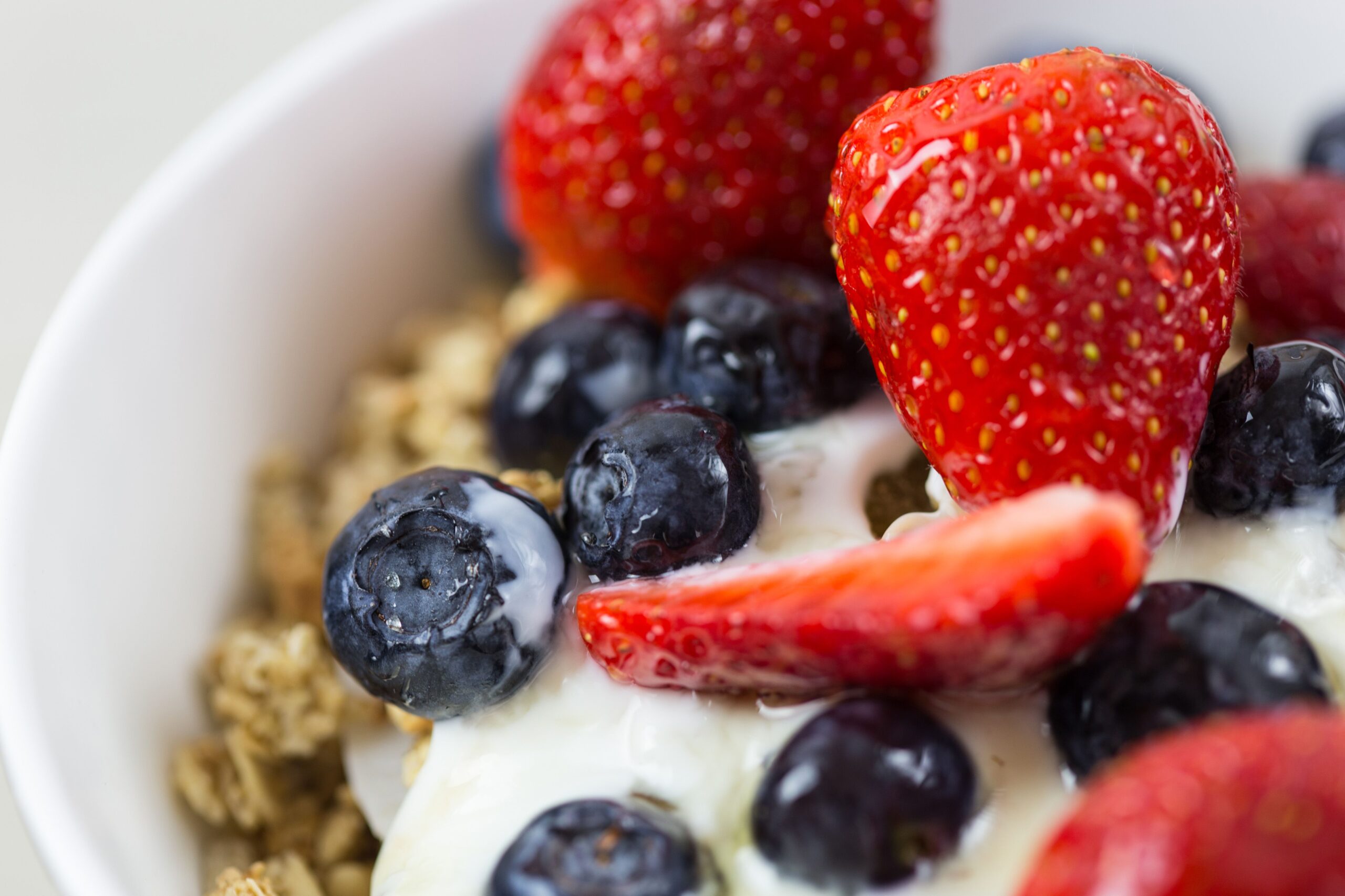
Adding berries to breakfast, oatmeal, plain yogurt or a smoothie is an easy way to increase fruit and polyphenol intake while also providing fiber and other nutrients.
Fresh berries are excellent, but frozen berries can also be a practical choice when fresh fruit is expensive or unavailable.
For older adults living alone or cooking less frequently, keeping a bag of frozen berries in the freezer can make healthy eating considerably easier.
What About Tea?
A warm cup of tea may be more than a comforting daily ritual.
Green and black teas contain flavonoids called flavan-3-ols, including catechins and related compounds.
Research has explored whether tea consumption is associated with cardiovascular and cognitive health. Some studies suggest potential benefits, although results vary and observational research cannot prove that tea itself is responsible for better long-term brain health.
Still, unsweetened tea can be an excellent everyday beverage.
It provides fluid without added sugar and can easily replace sugary drinks.
For older adults, that substitution may be especially useful because controlling blood pressure, blood sugar and overall diet quality becomes increasingly important with age.
One practical caution: tea contains caffeine. If afternoon or evening tea interferes with sleep, choose a decaffeinated variety or drink it earlier in the day.
The Cocoa Question
Cocoa has generated considerable excitement in nutritional neuroscience because cocoa flavanols can affect blood-vessel function.
Some controlled studies have investigated whether high-flavanol cocoa can influence cerebral blood flow or particular aspects of cognitive performance.
But there’s an important catch.
Not all chocolate is nutritionally equivalent.
A chocolate bar loaded with added sugar and saturated fat should not automatically be considered a brain-health food simply because it contains cocoa.
And the amount of flavanols can vary substantially depending on how cocoa is processed.
So rather than chasing a particular percentage on a chocolate wrapper, think about the bigger dietary pattern.
If you enjoy a small amount of dark chocolate, it can fit comfortably into a balanced diet. It shouldn’t replace fruit, vegetables, nuts, whole grains or other nutrient-rich foods.
The Bigger Brain-Health Picture
This is perhaps the most important point for older readers.
No individual food can compensate for years of uncontrolled high blood pressure, physical inactivity, smoking, poor sleep or poorly managed diabetes.
Brain health is connected to the health of the entire body.
Regular physical activity supports cardiovascular fitness and blood-vessel health. Adequate sleep supports normal brain function. Social interaction and mentally stimulating activities help maintain cognitive engagement.
And controlling medical conditions—particularly hypertension, diabetes and high cholesterol—can be an important part of reducing risk for cognitive decline.
Polyphenol-rich foods belong inside that larger picture, not outside it.
A Simple Way to Eat More of Them
You don’t need an expensive powder, capsule or complicated diet plan.
Try making a few ordinary changes.
Add berries to breakfast.
A handful of fresh or frozen berries can go into oatmeal, unsweetened yogurt or a smoothie.
Make tea part of your routine.
Green or black tea without large amounts of added sugar can be an easy alternative to sweetened beverages.
Eat more colorful plants.
Berries aren’t the only source of polyphenols. Apples, citrus fruits, onions, leafy vegetables, legumes, nuts and many other plant foods contain a wide range of beneficial compounds.
Choose whole foods more often.
A colorful plate containing vegetables, fruit, whole grains, beans, nuts and healthy sources of protein will do far more for long-term health than relying on one fashionable ingredient.
Don’t Forget the Things Your Brain Needs Most
It is tempting to look for one food that can “protect the brain.”
Real life is rarely that simple.
Your brain needs adequate nutrition, oxygen, sleep, movement and healthy blood vessels every day.
That’s why a morning bowl of berries is valuable not because it is a miracle cure, but because it can become part of a pattern that supports overall health.
The same is true of tea.
The same is true of a handful of nuts or a serving of vegetables.
Small choices become meaningful when they are repeated for years.
The Most Interesting Part May Be How Ordinary It Is
Brain-health research can sometimes sound intimidating, filled with complicated molecules and laboratory terminology.
But the practical message is surprisingly familiar.
Eat more plants. Keep your meals varied. Stay physically active. Sleep well. Control your blood pressure and blood sugar. Stay socially connected.
And if berries, tea or a little dark chocolate make those habits more enjoyable, there’s no reason they can’t have a place at the table.
The goal isn’t to find a food that guarantees a sharper mind at 80.
It is to give your brain the best everyday environment possible—and let dozens of small, sensible choices work together over the years.
Photo by Foodie Factor: https://www.pexels.com/photo/acai-bowl-with-mixed-berries-566564/