

As we get older, food choices often become less about following the latest diet trend and more about protecting the things that matter: a healthy heart, steady energy, strong muscles and the ability to stay independent.
That is where simple foods can be surprisingly valuable.
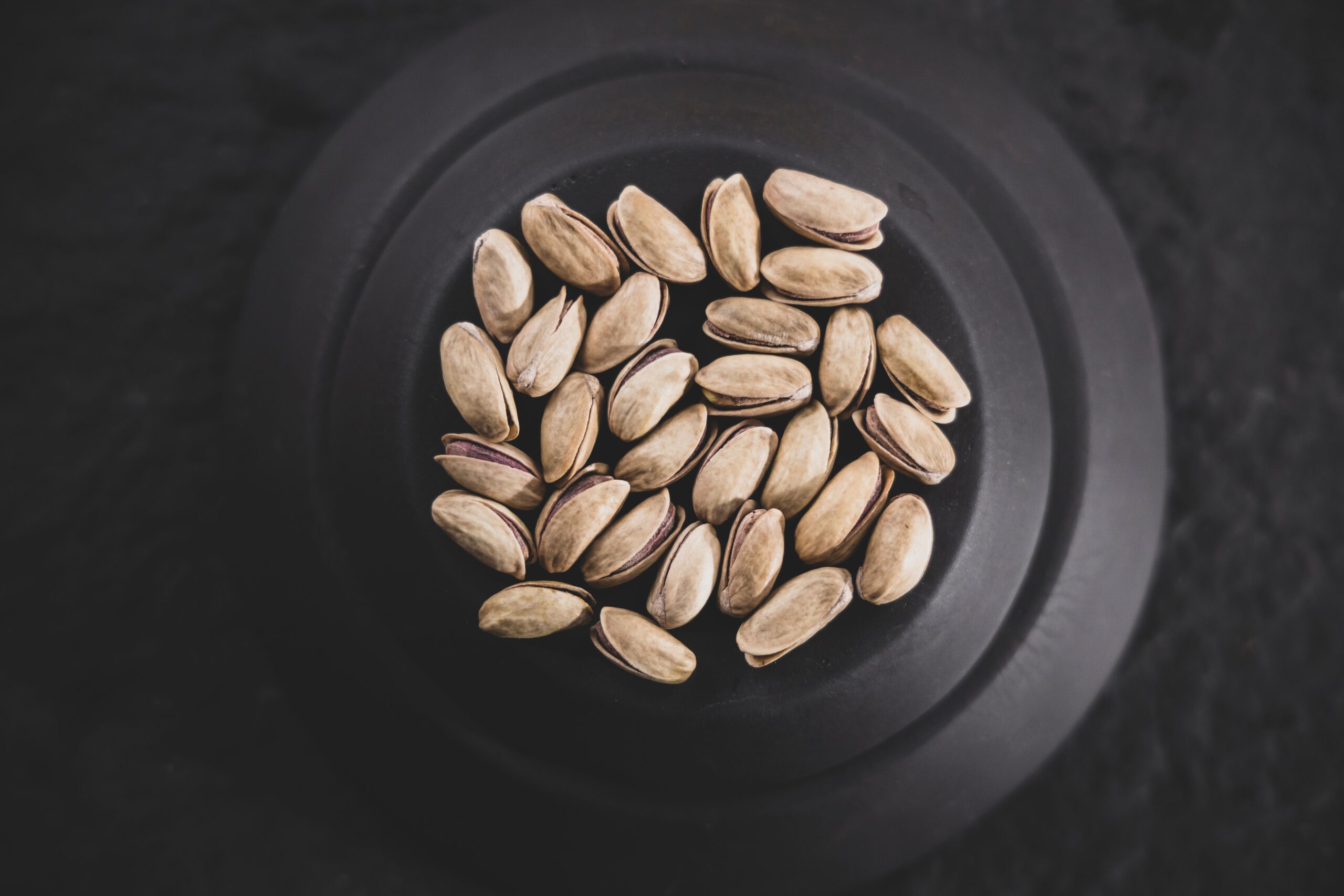
Pistachios are small, but they provide a useful combination of unsaturated fats, plant protein, fiber, potassium, vitamin B6, copper and other nutrients. They are also relatively easy to add to everyday meals.
They are not a medicine, and no single food can prevent disease. But replacing highly processed snacks with a modest serving of unsalted pistachios can be a practical step toward a more nutritious eating pattern.
A Handful Provides More Than You Might Expect
A typical one-ounce serving of pistachios contains roughly 160 calories, about 6 grams of protein and around 3 grams of fiber.
The fat is predominantly unsaturated fat, which makes pistachios different from many heavily processed snack foods containing substantial amounts of saturated fat or added ingredients.
Pistachios also provide carotenoids such as lutein and zeaxanthin, along with polyphenols and other plant compounds.
For older adults, this nutrient density matters. Appetite can change with age, and some people eat smaller portions while still needing adequate protein, vitamins and minerals.
A small serving of a nutrient-rich food can therefore be more useful than a much larger portion of a low-nutrient snack.
Your Heart May Be the Biggest Beneficiary
Heart disease remains one of the most important health concerns as people age.
Diet is only one part of cardiovascular health, but eating patterns rich in nuts, seeds, vegetables, whole grains and other minimally processed foods have consistently been associated with better cardiovascular outcomes.
Pistachios can contribute to that pattern because they contain mostly unsaturated fats, fiber and plant sterols.
Research on pistachio consumption has also examined effects on cholesterol levels, blood pressure and vascular function. Results vary between studies, but the overall evidence supports including nuts as part of a heart-healthy dietary pattern.
That does not mean pistachios “clean your arteries” or replace cholesterol or blood-pressure medication.
Their value is much simpler: they can be a nutritious alternative to less healthy snacks.
They May Help You Feel Full Between Meals
One reason pistachios can work well as a snack is their combination of fat, protein and fiber.
These nutrients generally take longer to digest than refined carbohydrates.
That can make a small serving more satisfying than foods such as biscuits, sweets or sugary snack bars.
For someone trying to maintain a healthy weight, this can be useful.
There is also a behavioral advantage to eating pistachios in their shells. Cracking each shell slows the pace of eating and makes the amount consumed more visible.
It is a small habit, but small habits can matter when repeated every day.
A Useful Food for Blood-Sugar Awareness
Blood-sugar management becomes increasingly important with age, particularly for people living with prediabetes or type 2 diabetes.
Pistachios contain relatively little carbohydrate compared with many conventional snack foods, while their protein, fat and fiber can help make a meal or snack more filling.
Studies have investigated pistachios as part of diets designed to improve post-meal glucose responses, although individual results differ.
If you have diabetes, however, pistachios should be considered part of your overall eating plan—not a treatment for the condition.
And remember that flavored pistachios can be very different nutritionally from plain varieties. Added sugar, coatings and large amounts of sodium can turn a simple snack into something less desirable.
What About Immunity?
Pistachios contain nutrients involved in normal immune function, including vitamin B6, copper and zinc.
These nutrients help support processes involved in producing and maintaining immune cells.
But it is important to keep the claim realistic.
Eating pistachios will not “supercharge” your immune system or guarantee protection against infections.
For older adults, the more meaningful goal is to maintain an adequate overall intake of protein, vitamins and minerals through a varied diet.
That dietary foundation works alongside other important measures such as recommended vaccinations, adequate sleep, physical activity and management of chronic conditions.
Do Pistachios Help With Healthy Aging?
Healthy aging is not about finding one food that stops the clock.
It is about protecting several systems at the same time.
Maintaining muscle, supporting cardiovascular health, keeping blood pressure and blood sugar under control, protecting bone health and maintaining an appropriate body weight all become increasingly important with age.
Pistachios can fit into that bigger picture.
Their protein contributes to daily protein intake, while their healthy fats and micronutrients complement other nutrient-dense foods.
For older adults who struggle to eat enough because of a reduced appetite, chewing difficulties or changes in taste, however, nuts may not always be appropriate. A softer alternative such as nut butter may be easier, depending on individual needs.
The Sodium Question Is Easy to Miss
There is one important detail worth checking when buying pistachios: the label.
Salted pistachios can contain considerably more sodium than unsalted versions.
For people with high blood pressure, kidney disease or other conditions requiring sodium restriction, choosing unsalted pistachios is generally the easier option.
You also do not need a huge portion.
A small handful—around one ounce—is a reasonable serving for many people.
Think of pistachios as a replacement for a less nutritious snack rather than something you simply add on top of everything else you already eat.
Easy Ways to Eat More Pistachios
You do not need elaborate recipes.
Try sprinkling chopped pistachios over oatmeal or yogurt, adding them to a salad, mixing them with fruit or using them as a crunchy topping for cooked vegetables.
For a simple snack, pair a small serving with fruit.
If chewing whole nuts is difficult, finely chopped pistachios or unsweetened pistachio butter may be easier options.
People with nut allergies should avoid pistachios, and anyone with swallowing difficulties should discuss suitable textures with a healthcare professional.
The Bigger Lesson Is Simpler Than the Hype
Pistachios are not a miracle food.
They will not independently prevent heart disease, cure diabetes or stop the effects of aging.
What they can do is provide a convenient package of protein, fiber, unsaturated fats and micronutrients in a form that is easy to incorporate into ordinary meals.
For older adults especially, that is worth appreciating.
Healthy eating does not have to mean expensive powders, complicated meal plans or foods with impressive marketing claims.
Sometimes it can begin with something as ordinary as replacing a packet of highly processed snacks with a small bowl of unsalted pistachios.
Photo by Engin Akyurt: https://www.pexels.com/photo/close-up-of-shelled-pistachio-nuts-5472184/