

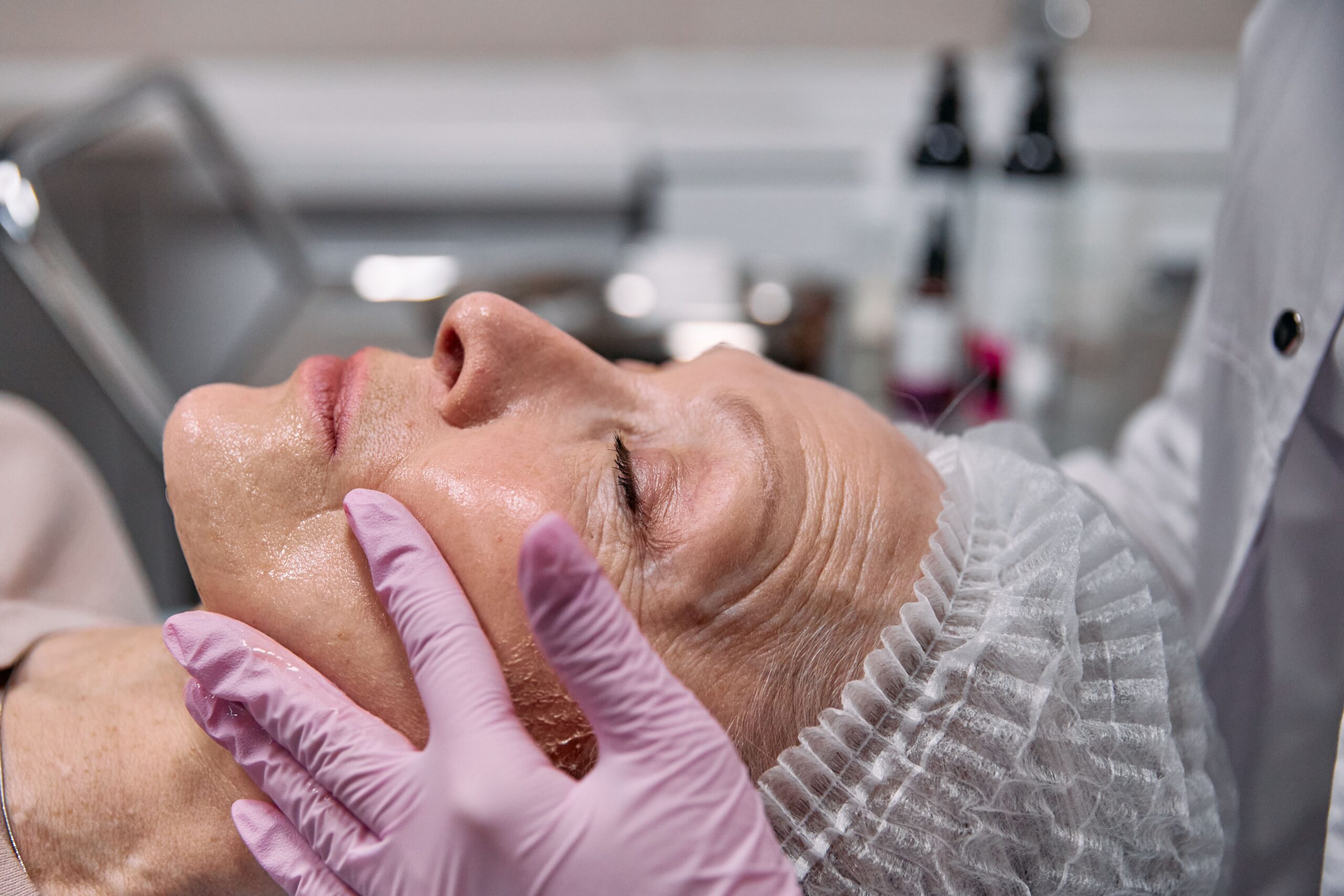
Aging is something we can see, but scientists increasingly understand that it is also something happening deep inside our cells.
Skin becomes thinner. Wounds can take longer to heal. Collagen production declines, while accumulated molecular damage gradually changes how cells function. For decades, researchers have searched for ways to slow these changes, from better skincare ingredients to regenerative therapies.
Now, a very different possibility is attracting attention: what if some aspects of cellular aging could actually be reversed?
Researchers have demonstrated that adult human skin cells can be partially rejuvenated in laboratory conditions using a technique known as transient cellular reprogramming.
The finding is exciting because it does not simply attempt to make aging cells behave better. Instead, researchers are investigating whether some of the biological changes associated with aging can be reset while allowing a mature cell to retain its original identity.
But there is an important reality check: this is laboratory research, not an available anti-aging treatment.
Why Aging Changes Skin Cells
Healthy skin is constantly repairing itself.
Fibroblasts, specialized cells found in connective tissue, produce important components of the extracellular matrix, including collagen and other structural proteins. These materials help give skin its strength and elasticity and also play an important role in wound repair.
As we age, fibroblast activity can change. Collagen production decreases, cellular communication becomes less efficient and accumulated molecular damage can affect normal repair processes.
This is one reason older skin can become more fragile and why some wounds take longer to close.
Scientists therefore want to understand whether aging-related cellular changes are permanent—or whether at least some of them can be reversed.
The Discovery That Changed Cellular Biology
A major breakthrough came in 2006, when Japanese researcher Shinya Yamanaka and his team demonstrated that mature adult cells could be reprogrammed into a stem-cell-like state.
The technique used four transcription factors commonly known as the Yamanaka factors: Oct4, Sox2, Klf4 and c-Myc.
These factors could effectively reset the identity of a mature cell, creating what are called induced pluripotent stem cells, or iPSCs.
The discovery transformed regenerative medicine.
But there was an obvious problem.
Completely reprogramming a skin cell means that it loses many of the characteristics that make it a skin cell in the first place. For researchers hoping to rejuvenate tissue, completely erasing cellular identity isn’t necessarily useful.
The next question became much more interesting:
Could scientists turn the biological clock backward without resetting the cell all the way to zero?
The Idea of a Partial Cellular Reset
This is where transient reprogramming comes in.
Rather than keeping reprogramming factors active until a mature cell becomes a stem cell, researchers expose cells to them for a limited period and then stop the process.
The goal is to reach a kind of biological middle ground.
The cell may shed some molecular characteristics associated with aging while retaining its specialized identity.
Laboratory research involving human skin cells has produced encouraging results. In some experiments, researchers observed changes in gene activity and epigenetic markers associated with a younger cellular state.
Some studies have also reported improvements in functions such as collagen production and wound-healing behavior.
These results have helped fuel interest in cellular rejuvenation—but they should not be interpreted as evidence that scientists have discovered a way to make a person’s entire body biologically younger.
What Is an Epigenetic Clock?
One reason these experiments attract so much attention is the use of epigenetic clocks.
Your DNA sequence generally remains remarkably stable throughout life. But cells continually place and remove chemical markers around DNA. These changes help determine which genes are active and which are quiet.
Patterns of DNA methylation, for example, can change predictably with age.
Researchers can analyze these patterns to estimate a person’s—or a cell’s—biological age.
When reprogrammed cells begin showing molecular patterns associated with younger cells, scientists can measure that change.
But there is an important distinction:
A younger epigenetic signature is not automatically the same thing as a younger, healthier human body.
A laboratory measurement can provide valuable evidence that cellular biology has changed, but researchers still need to establish whether those changes translate into meaningful improvements in living tissues.
Why Wound Healing Could Be One of the Biggest Applications
The potential importance of this research goes beyond cosmetic aging.
One area where cellular rejuvenation could eventually have major medical relevance is wound healing.
Older adults and people living with conditions such as diabetes can experience chronic wounds that are difficult to heal. Poor circulation, inflammation, impaired immune responses and reduced cellular repair capacity can all contribute.
If researchers can safely restore some youthful behavior to aged cells, regenerative medicine could potentially use that knowledge to improve tissue repair.
That could eventually have applications in treating burns, chronic ulcers and other forms of tissue damage.
However, these possibilities remain experimental.
The Biggest Challenge: Safety
Reprogramming cells is powerful precisely because it changes fundamental cellular behavior.
That also makes safety one of the biggest challenges.
If reprogramming goes too far, cells can lose their specialized identity. Certain reprogramming factors are also associated with pathways involved in uncontrolled cell growth.
Scientists therefore need to determine exactly how much reprogramming is beneficial, how long it should last and how to prevent unintended changes.
There is also a major difference between rejuvenating cells in a controlled laboratory dish and safely modifying cells inside a living person.
Delivery is another challenge. Researchers need highly precise ways to target the right cells without affecting surrounding tissues.
What This Does—and Doesn’t—Mean for Your Skin
It is tempting to read about cellular rejuvenation and immediately wonder whether a cream, supplement or treatment could reproduce the effect.
At present, that would be jumping far ahead of the evidence.
There is no clinically established treatment that can safely reset the biological age of a person’s skin by decades.
For now, the most reliable ways to protect skin remain much less dramatic.
Protecting your skin from ultraviolet radiation is particularly important because cumulative UV exposure contributes substantially to premature skin aging and skin cancer risk. A broad-spectrum sunscreen, protective clothing and sensible sun avoidance can help reduce that damage.
Not smoking, eating a balanced diet, getting adequate sleep and managing chronic health conditions also support normal tissue repair and overall health.
A Fascinating Future, With Plenty Still to Prove
The idea that aging cells might be partially rejuvenated once sounded like science fiction.
Today, researchers can demonstrate measurable changes in the biological characteristics of human cells in laboratory experiments.
That is a remarkable scientific development—but it is also only an early step.
The real test will be whether scientists can translate these findings into therapies that are effective, precisely controlled and safe over the long term.
If they can, cellular reprogramming could eventually change how medicine approaches aging-related disease—not simply by treating individual symptoms, but by addressing some of the biological changes that accompany aging itself.
For now, the most accurate takeaway isn’t that scientists have discovered a way to turn back the human clock.
It’s more intriguing than that:
They may have discovered that parts of the clock are not as permanent as we once believed.
Photo by cottonbro studio: https://www.pexels.com/photo/doctor-hand-in-glove-on-woman-face-7582564/