

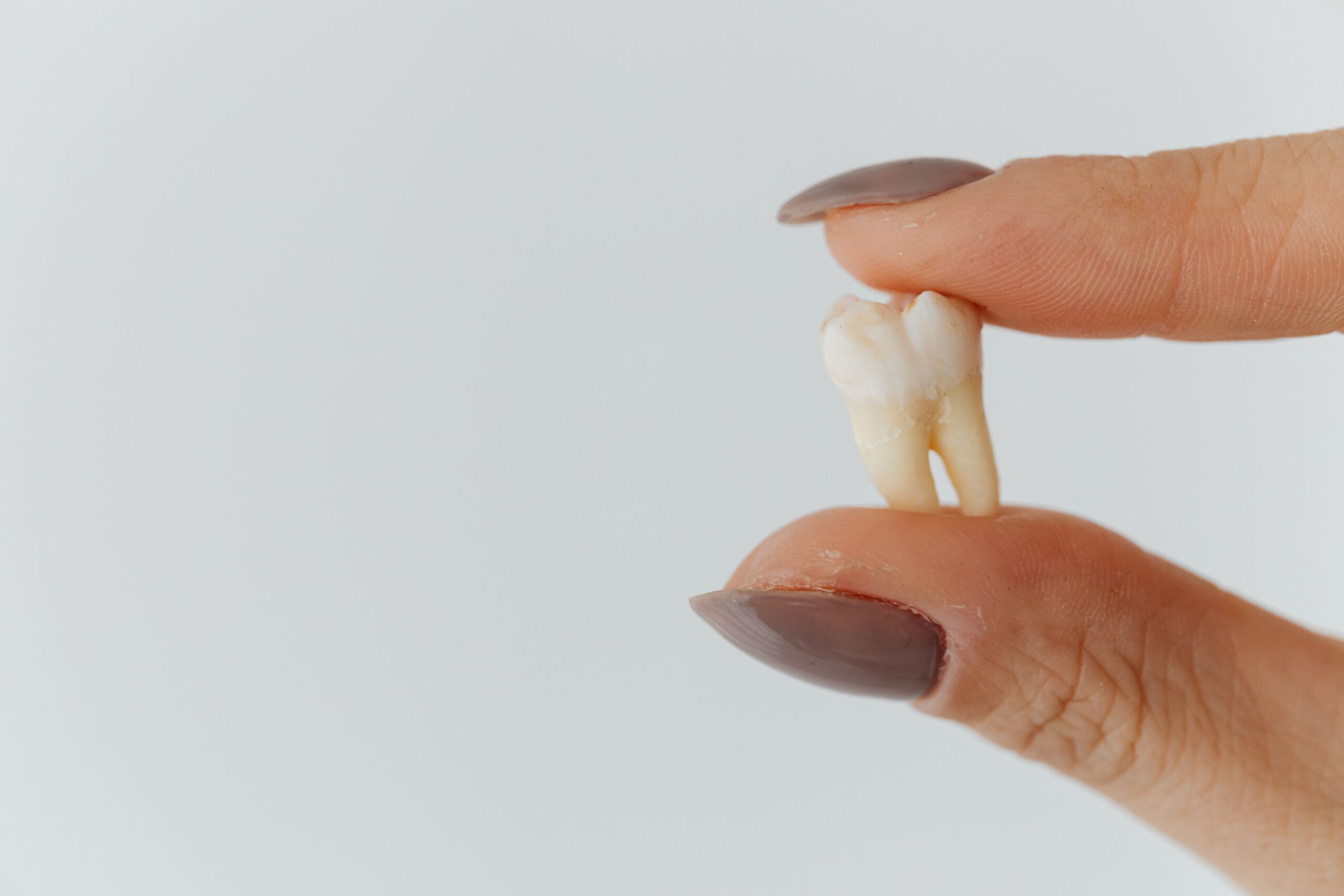
Losing a permanent tooth can feel like a one-way event. Once an adult tooth is gone because of decay, gum disease or an injury, modern dentistry generally replaces it rather than growing another one.
Dental implants, bridges and dentures can restore appearance and function, but they are artificial solutions.
That is why research into tooth regeneration has attracted so much attention.
Scientists in Japan have been investigating whether a drug designed to block a protein called USAG-1 could stimulate the body’s own tooth-forming machinery. The idea sounds almost futuristic: instead of replacing a missing tooth with an artificial one, could medicine eventually encourage the body to grow a new biological tooth?
The research is intriguing, but there is an important distinction between an exciting clinical experiment and an available treatment.
Why Humans Don’t Keep Growing Teeth
Some animals have remarkable dental regeneration abilities. Sharks, for example, can continually replace lost teeth.
Humans are different.
We normally develop two sets of teeth: primary teeth during childhood and permanent teeth later in development. Once the permanent teeth have formed, the biological program responsible for producing another complete set is largely switched off.
But researchers have discovered that tooth development is controlled by a complex network of signaling molecules. Some of the biological machinery involved may remain present even after our permanent teeth have developed.
The challenge is figuring out how to activate that machinery safely and precisely.
That is where USAG-1 enters the picture.
The Protein Scientists Are Targeting
USAG-1, short for uterine sensitization-associated gene-1, is involved in regulating signaling pathways important during tooth development.
Researchers have been particularly interested in its interaction with BMP and Wnt signaling, two biological systems involved in the development of tissues and organs.
In simplified terms, USAG-1 can act as a brake on certain tooth-development signals.
Scientists have therefore explored whether temporarily blocking USAG-1 could remove that brake and encourage tooth-forming cells to become active.
The approach is not about inserting a completely new tooth into the jaw.
Instead, the goal is to stimulate biological processes that may already exist within the body.
From Animal Research to Human Testing
The Japanese research program has produced encouraging findings in animal studies.
Researchers working with mice and ferrets found that interfering with USAG-1 could promote the development of new teeth under experimental conditions.
These findings were important because they demonstrated that manipulating a single regulatory pathway could influence tooth formation.
But animal research is only an early step.
A treatment that produces a new tooth in an animal must still demonstrate that it is safe, predictable and effective in humans.
That is why the move toward human clinical research represents such an important stage.
Early human studies are primarily concerned with safety and tolerability, rather than proving that the treatment can routinely replace missing teeth.
Who Could Benefit First?
One of the most important points about this research is that the first potential patients may not be older adults who have lost teeth from decay.
Researchers have shown particular interest in people with congenital tooth agenesis, a condition in which some individuals are born missing multiple permanent teeth.
For these patients, tooth regeneration could potentially address a developmental problem rather than simply replacing a tooth lost later in life.
If the treatment proves safe and effective, researchers could eventually investigate whether the approach might help people who lose teeth because of injury, decay or other dental conditions.
That stage is still ahead.
Why Regrowing a Tooth Is So Difficult
A natural tooth isn’t simply a hard white structure sitting inside the jaw.
It contains enamel, dentin, pulp, blood vessels, nerves and supporting tissues. Its root must develop in the correct location, and the tooth needs to integrate with the surrounding bone and periodontal tissues.
Even if researchers succeed in stimulating tooth formation, they must answer another question:
Can the new tooth grow in the right place and develop correctly?
A tooth that grows at the wrong angle or in the wrong location could create orthodontic and functional problems.
There are also broader safety questions.
Wnt and BMP signaling are involved in many biological processes throughout the body. Researchers therefore need to establish that manipulating these pathways doesn’t produce unwanted effects elsewhere.
This is one reason clinical development must proceed cautiously.
Could This Replace Dentures and Implants?
Not yet.
For someone who has lost a tooth today, established dental treatments remain the realistic options.
Dental implants can replace individual missing teeth, while bridges and dentures remain useful in other circumstances. Your dentist can determine which option is appropriate based on bone health, gum condition, overall health and the number and location of missing teeth.
The experimental regeneration approach is fundamentally different, but it still has a long road ahead.
There is no guarantee that an experimental treatment will ultimately become a widely available therapy.
What You Can Do for Your Teeth Now
A possible future tooth-regeneration treatment shouldn’t become a reason to neglect the teeth you already have.
The best tooth is still the healthy natural tooth you manage to keep.
Brush and Clean Between Your Teeth
Brush twice a day with fluoride toothpaste and clean between your teeth regularly using floss or an interdental cleaner.
These simple habits help control plaque, which plays a major role in tooth decay and gum disease.
Watch Frequent Sugar Exposure
It isn’t only the amount of sugar you consume that matters. Frequent exposure gives oral bacteria repeated opportunities to produce acids that attack enamel.
Reducing frequent sugary drinks and snacks can help protect your teeth.
Don’t Ignore Bleeding or Pain
Persistent gum bleeding, sensitivity, tooth pain, swelling or loose teeth deserve professional attention.
Dental problems are generally easier to manage when detected early.
Keep Regular Dental Appointments
Routine examinations allow dentists to identify cavities, gum disease and other problems before they become more serious.
A Glimpse at the Future of Dentistry
The idea of growing a replacement tooth sounds like science fiction, but researchers are increasingly exploring ways to encourage the body to regenerate its own tissues.
The USAG-1 approach represents one fascinating example of that broader movement toward regenerative medicine.
Still, it is important to separate possibility from proof.
Researchers have promising biological evidence and are investigating the approach in humans, but much more work is needed before anyone can say that lost teeth will routinely be regrown in a dental clinic.
For now, implants, bridges and dentures remain established options.
But if ongoing research succeeds, dentistry could eventually move beyond replacing what the body has lost—and toward helping the body build it again.
Photo by https://kaboompics.com/: https://www.pexels.com/photo/close-up-shot-of-a-loose-tooth-7195444/