

For generations, dental advice has been remarkably consistent: brush twice a day, clean between your teeth, limit frequent sugary foods and drinks, and see a dentist regularly.
Those habits still matter. But researchers are also looking for more targeted ways to tackle the bacteria and biofilms responsible for tooth decay.
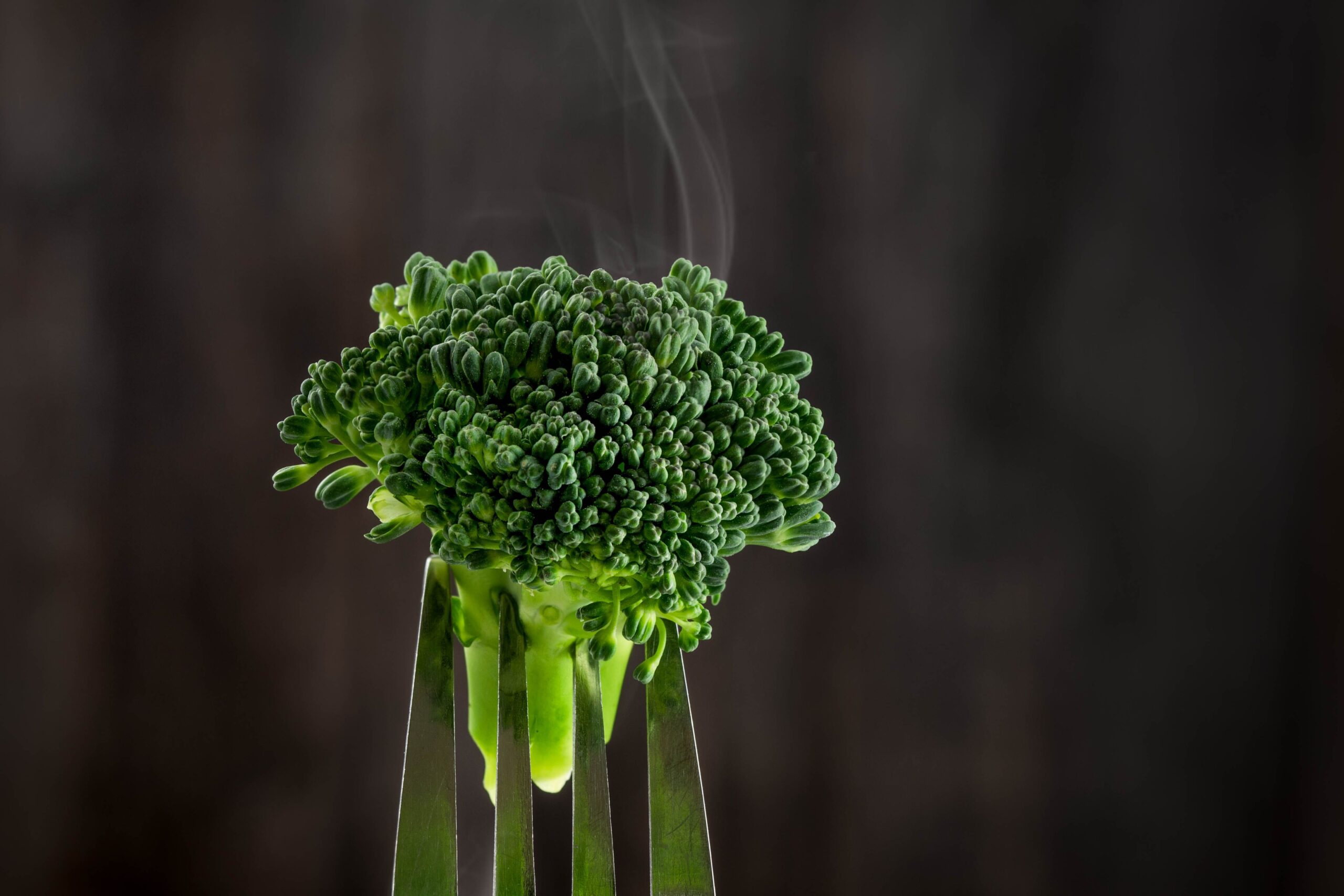
One intriguing candidate comes from an unlikely place: cruciferous vegetables such as broccoli, cabbage, kale and Brussels sprouts.
The compound attracting attention is 3,3′-diindolylmethane, or DIM. It is produced in the body from compounds found naturally in cruciferous vegetables. Early laboratory research suggests DIM may interfere with the ability of Streptococcus mutans, one of the bacteria strongly associated with tooth decay, to build the sticky biofilms that help cavities develop.
That does not mean eating broccoli can cure a cavity. It does, however, offer scientists an interesting clue about how future oral-care products might work.
Why Cavities Are More Than a Sugar Problem
Tooth decay is often described simply as the result of eating too much sugar. The reality is more complicated.
Your mouth contains a huge community of microorganisms. Many are harmless or beneficial, but some can contribute to dental disease under the right conditions.
When bacteria such as S. mutans encounter fermentable carbohydrates, they can produce acids. Repeated acid exposure gradually removes minerals from tooth enamel. At the same time, bacteria can produce sticky substances that help them attach to teeth and form a structured community known as a biofilm.
That biofilm is what we commonly call dental plaque.
The process is roughly:
Sugars and carbohydrates → bacterial activity → acid production → enamel mineral loss → repeated damage → tooth decay
Saliva provides an important defense by washing the mouth, neutralizing acids and supplying minerals that help remineralize enamel. But when acid attacks happen frequently, those natural defenses may not be enough.
This is why the frequency of sugary snacks and drinks matters, not simply the total amount consumed.
Where Does DIM Come In?
DIM isn’t found in broccoli as a ready-made dental treatment.
Instead, it forms when the body processes indole-3-carbinol, a compound associated with glucosinolates in cruciferous vegetables.
Scientists have been interested in DIM for years because of its biological activity in different areas of health research. More recently, researchers have investigated whether it could have applications in oral health.
The attraction is its potential effect on bacterial biofilms.
Rather than simply trying to kill every microorganism in the mouth, researchers are exploring whether compounds such as DIM could interfere with specific processes that allow harmful bacteria to establish themselves and thrive.
That approach is particularly interesting because the oral microbiome is complex. Not every bacterium in dental plaque is harmful, and completely disrupting the microbial community isn’t necessarily the goal.
What the Early Research Shows
Laboratory research has produced encouraging findings involving DIM and S. mutans biofilms.
In experimental conditions, DIM was able to interfere with the formation and integrity of bacterial biofilms. Researchers reported substantial reductions in bacterial biofilm under certain laboratory conditions.
But there is an important distinction that should not get lost in an attention-grabbing headline:
A laboratory result is not the same as a proven treatment for people.
Researchers need to establish how much DIM would be required in the mouth, how long it would remain active, whether it is safe with repeated exposure, and whether it actually reduces cavities in real-world human clinical trials.
A compound can perform impressively in a laboratory environment and still fail to become an effective medicine or dental product.
So, for now, DIM should be viewed as an experimental research avenue, not a replacement for fluoride toothpaste, professional dental care or established cavity-prevention strategies.
Could Broccoli Prevent Cavities?
This is where some online health claims can become misleading.
Eating broccoli is unquestionably compatible with a healthy diet, but eating broccoli does not deliver a concentrated dose of DIM directly to the surface of your teeth in the same way a specially formulated dental product might.
The amount of DIM generated through normal digestion is also very different from the concentrations used in laboratory experiments.
So don’t throw away your toothbrush and start eating bowls of broccoli in the hope of reversing tooth decay.
Instead, think of the research as a fascinating example of how scientists search nature for molecules that could eventually become useful medicines or dental treatments.
A future toothpaste, mouth rinse, gel or dental coating could potentially deliver a carefully formulated compound directly where it is needed. Whether DIM will ultimately prove useful in this way remains an open scientific question.
Why Biofilms Matter in Modern Dental Care
The interest in DIM reflects a broader change in how researchers think about oral health.
For years, cavity prevention largely focused on removing plaque and strengthening enamel. Those strategies remain essential.
But scientists are increasingly studying the behavior of the microbial communities living on teeth.
A dental biofilm isn’t simply a random collection of bacteria. It is an organized environment where microorganisms communicate, produce protective materials and alter the chemistry around them.
If researchers can identify compounds that selectively interfere with harmful biofilm behavior, they may eventually develop treatments that complement conventional brushing and fluoride-based prevention.
That could be particularly valuable for people who are at higher risk of dental decay.
What You Can Actually Do Today
While researchers continue investigating DIM, there are proven steps you can take right now.
1. Brush Twice a Day
Use fluoride toothpaste and brush thoroughly for about two minutes. Fluoride helps strengthen enamel and makes teeth more resistant to acid-related mineral loss.
2. Clean Between Your Teeth
Toothbrush bristles cannot effectively clean every surface between teeth. Floss or use an appropriate interdental cleaner to remove plaque from these areas.
3. Watch the Frequency of Sugary Foods and Drinks
Constantly sipping sweet drinks or grazing on sugary snacks gives oral bacteria repeated opportunities to produce acids.
Water is a simple choice between meals.
4. Don’t Ignore Dental Problems
A cavity doesn’t repair itself simply because you improve your diet. Early dental decay may sometimes be managed with preventive treatment, but established cavities can require professional care.
Sensitivity, persistent toothache, swelling or a broken tooth deserves attention from a dentist.
5. Keep Cruciferous Vegetables on the Menu
Broccoli, cabbage, kale and Brussels sprouts are nutritious foods that can contribute to an overall healthy eating pattern.
Their potential connection to DIM and oral health makes them scientifically interesting—but they should be considered part of a healthy diet, not a dental treatment.
The Bigger Picture
The most exciting part of this research isn’t that broccoli has suddenly become a natural substitute for toothpaste.
It is that scientists are discovering new ways to think about one of the world’s most common chronic diseases.
Instead of simply trying to destroy bacteria, future dental treatments may be designed to disrupt the specific mechanisms that allow harmful biofilms to form and cause damage.
DIM is still part of that research story, not the finished product.
For now, the smartest approach remains wonderfully ordinary: brush with fluoride toothpaste, clean between your teeth, limit frequent sugar exposure, eat a varied diet and keep up with dental checkups.
And yes—keep the broccoli. Just don’t expect it to replace your toothbrush.
Photo by Victoria Bowers: https://www.pexels.com/photo/close-up-shot-of-a-broccoli-10487765/