

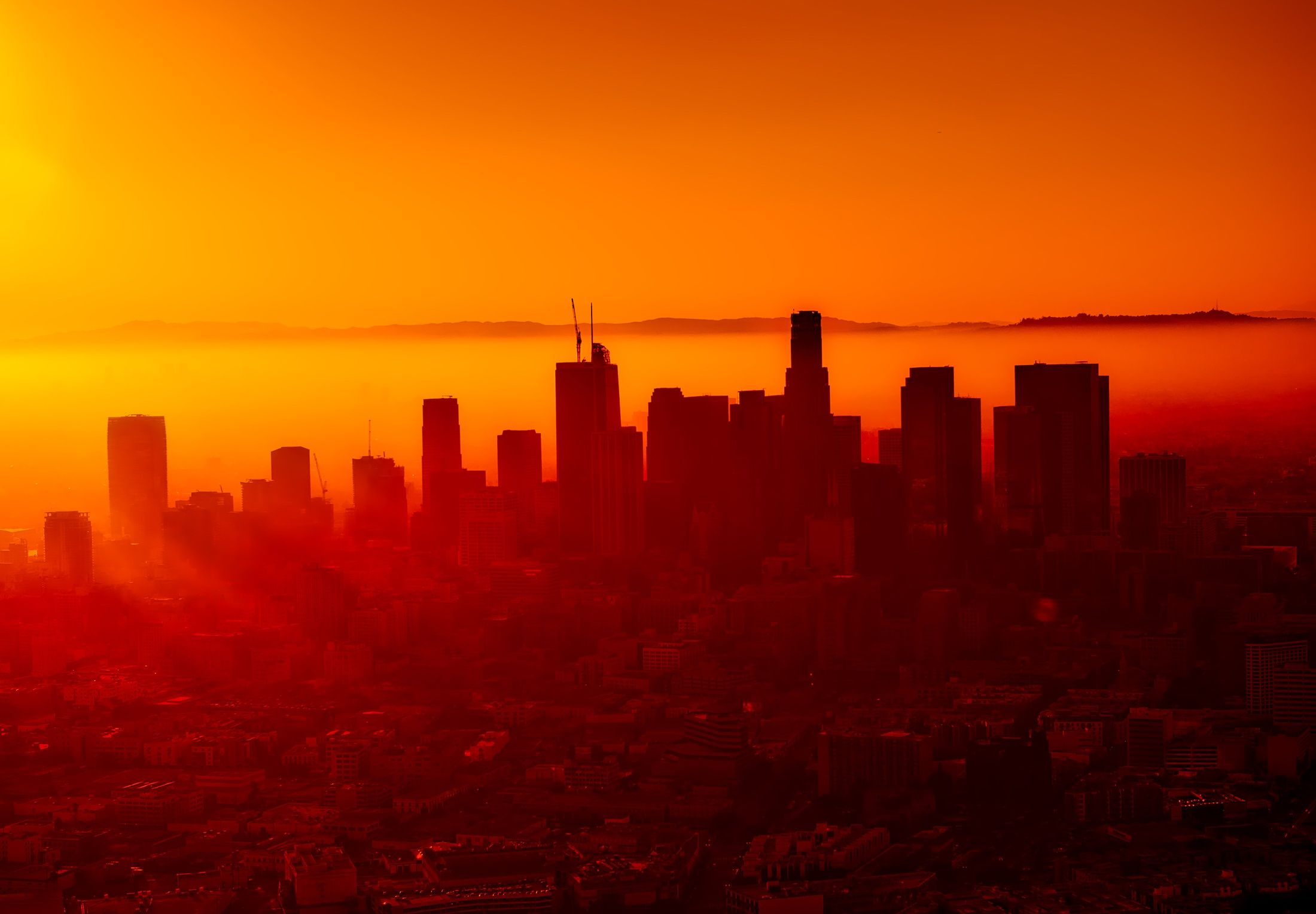
A record-breaking hot day can feel like an uncomfortable inconvenience. But when extreme heat becomes more frequent, lasts longer and arrives in places that were not prepared for it, the consequences go far beyond discomfort.
In 2026, heat is increasingly being treated as a major public-health issue rather than simply a seasonal weather problem. The World Health Organization says heatwaves are becoming more frequent, longer and more intense as the climate warms, while older adults, children, pregnant people, outdoor workers and people with chronic illnesses face particularly high risks.
That shift matters because the human body has limits.
When Heat Becomes a Health Threat
Your body constantly works to keep its internal temperature within a narrow range. When the surrounding environment becomes extremely hot—particularly when humidity is high—the body has greater difficulty releasing heat.
Sweating helps, but it is not always enough.
As heat exposure continues, the cardiovascular system has to work harder to move blood toward the skin, while sweating causes the loss of water and electrolytes. Prolonged exposure can lead to heat exhaustion and, in severe cases, heatstroke.
Heatstroke is a medical emergency. It can cause serious injury to the brain and other organs and can be fatal without rapid treatment.
The danger is not limited to people who spend hours outdoors. Hot nights can prevent the body from recovering, while poorly ventilated homes, workplaces and public buildings can become dangerous during prolonged heat.
The People Facing the Greatest Risk
Extreme heat does not affect everyone equally.
Older adults can have a reduced ability to regulate body temperature. Infants and young children depend heavily on adults to keep them cool and hydrated. Pregnant people and individuals with cardiovascular, respiratory, kidney or metabolic conditions can also be more vulnerable.
Outdoor workers face another obvious challenge: they may have little choice but to remain physically active during the hottest parts of the day.
The WHO’s 2026 heat-health guidance also identifies people with limited mobility, athletes, tourists and socially disadvantaged communities among groups that can face increased exposure or reduced access to cooling.
This makes extreme heat partly an infrastructure problem.
A person living in a well-insulated home with reliable electricity and air conditioning has very different options from someone working outside, living in an overcrowded building or unable to afford cooling.
The Hidden Health Effects of a Hotter World
Heat-related illness is only one part of the picture.
The WHO reports that extreme heat can worsen cardiovascular disease, diabetes, respiratory illness, kidney problems and some mental-health conditions. Heat can also increase the risk of accidents and put additional pressure on healthcare systems.
Wildfire smoke adds another layer of risk.
Hot, dry conditions can increase wildfire danger, while smoke can spread fine particulate pollution over large areas. For people with asthma or other respiratory conditions, smoky air can make breathing problems worse.
Extreme heat can also affect sleep, work and learning. When nighttime temperatures remain unusually high, people may struggle to cool down enough to sleep properly. During the day, heat can reduce concentration and physical productivity.
In other words, the health consequences of climate change do not always arrive in the form of an emergency-room visit. Sometimes they appear as poorer sleep, reduced ability to work, worsening chronic disease or increasing pressure on already stretched health services.
Food and Water Are Part of the Same Story
Heat does not stop at the human body.
Agriculture is highly sensitive to temperature, rainfall and water availability. Heat during critical stages of crop development can reduce yields, while drought can place additional pressure on irrigation and drinking-water supplies.
At the same time, extreme rainfall and flooding can contaminate water sources and damage infrastructure.
This creates a complicated climate-health cycle: the same changing climate can contribute to heat stress in one region, drought and crop losses in another, and flooding or water contamination somewhere else.
There is also reason for caution about predicting exactly what will happen in any particular year.
Climate patterns such as El Niño can influence global temperatures and regional rainfall, but they do not replace the longer-term climate trend caused by greenhouse-gas emissions. Current reporting indicates that a developing El Niño is expected to strengthen during 2026, potentially adding to regional climate extremes.
But specific claims that a particular year will definitely become the hottest ever should be treated as forecasts rather than established facts.
Why This Is Becoming a Public-Health Issue
For years, climate change was often discussed in terms of glaciers, sea levels and carbon emissions.
Those issues remain important, but the health consequences are much closer to everyday life.
A heatwave can increase emergency visits. Smoke can worsen respiratory disease. Drought can affect food production. Flooding can disrupt healthcare services. Power failures during extreme temperatures can leave vulnerable people without cooling.
The WHO now describes extreme heat as one of the most immediate and direct health threats associated with climate change. Its 2026 guidance recommends heat-health action plans that combine early warnings, public communication, healthcare preparedness and targeted protection for vulnerable groups.
That approach is important because waiting until people become seriously ill is already too late.
What People Can Do During Extreme Heat
Individual precautions cannot solve climate change, but they can reduce immediate health risks.
During an extreme-heat period, try to avoid strenuous outdoor activity during the hottest part of the day. Stay hydrated, spend time somewhere cool when possible and check on older relatives, young children and people with chronic medical conditions.
If someone develops severe symptoms such as confusion, loss of consciousness or signs of heatstroke, seek emergency medical help immediately.
Public-health systems also have a major role to play. Heat alerts, cooling centres, shaded public spaces, reliable electricity, better building design and protections for outdoor workers can all save lives.
The Bigger Warning
The most unsettling part of today’s heat records is not any single temperature number.
It is the possibility that extreme conditions once considered exceptional are becoming more familiar.
The good news is that the health impacts of heat are not inevitable. The WHO notes that many heat-related health effects are preventable through timely warnings, preparedness and practical interventions. At the same time, reducing greenhouse-gas emissions remains essential for limiting how severe future heat exposure becomes.
Climate change may be measured in degrees, but its consequences are experienced in human terms: a sleepless night, a dangerous workday, an overloaded hospital or a family struggling to stay cool.
That is why the next heatwave should not be viewed simply as another weather story.
It is a health warning—and one that communities have an opportunity to prepare for before the next record arrives.
Photo by Pixabay: https://www.pexels.com/photo/aerial-photography-of-the-city-237325/